
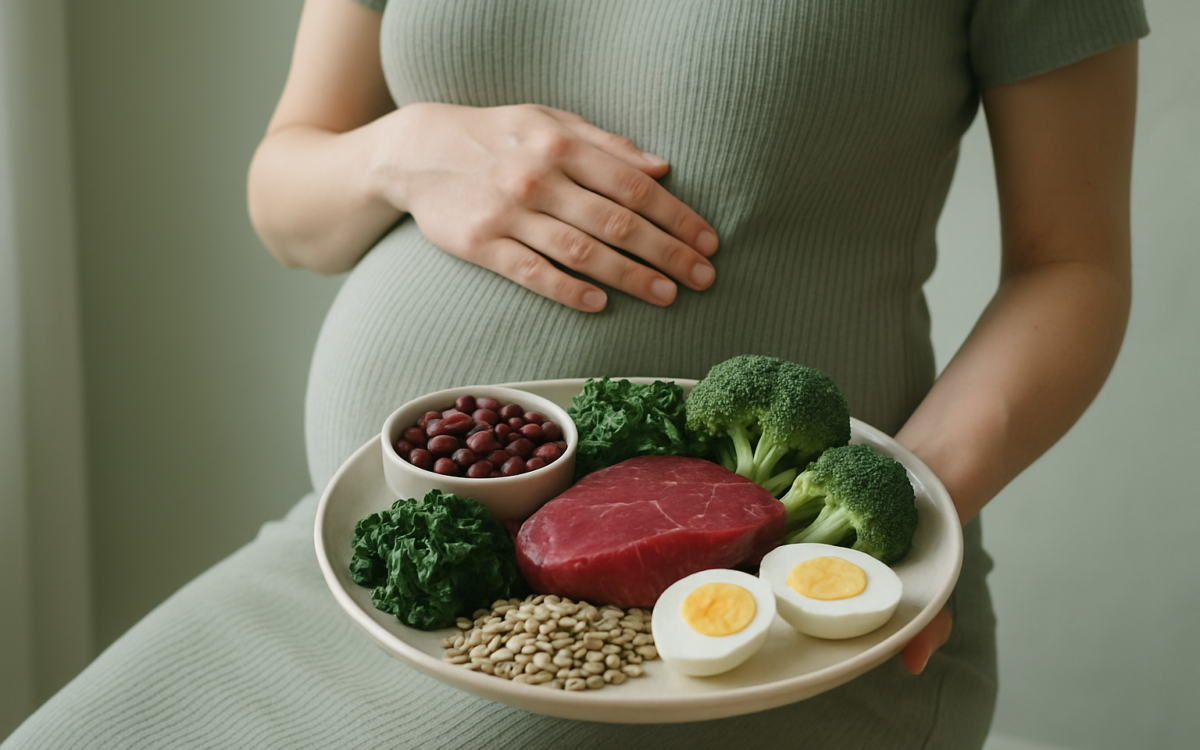
Pregnancy is a beautiful journey but also a time when a woman’s nutritional needs increase significantly. One essential nutrient that often comes to the forefront is iron. Iron plays a crucial role in developing the fetus and maintaining the mother’s health. Knowing which foods are rich in iron can help ensure that both you and your baby are healthy during this exciting time.
Why Iron is Important During Pregnancy
Iron is vital for making hemoglobin, the protein in your red blood cells that carries oxygen to your body’s tissues, including your growing baby. During pregnancy, your blood volume increases significantly, which means your body needs more iron to produce more hemoglobin. Many women become anemic during pregnancy due to inadequate iron levels, leading to fatigue, weakness, and other complications. According to the National Institutes of Health (NIH), pregnant women require about 27 mg of iron each day, significantly higher than the amount needed outside of pregnancy.
Types of Iron: Heme vs. Non-Heme
Iron comes in two types: heme and non-heme. Heme iron is found in animal sources and is more easily absorbed by your body. Non-heme iron is found in plant sources and fortified foods but is not absorbed as efficiently. Pregnant women should focus on incorporating both types into their diet to ensure they meet their iron needs.
Top Food Sources of Heme Iron
For those who consume meat, incorporating heme iron sources can help boost your iron levels effectively. Here are some excellent options:
- Red Meat: Lean beef and lamb are rich in heme iron, providing about 2.1 mg of iron per 3-ounce serving.
- Poultry: Chicken and turkey are good sources as well, with dark meat containing more iron than white meat.
- Fish: Tuna, salmon, and sardines not only offer heme iron but also provide omega-3 fatty acids, beneficial for pregnancy.
Plant-Based Sources of Non-Heme Iron
If you prefer a plant-based diet or are looking to reduce meat consumption, don’t worry! There are plenty of non-heme iron sources that can help you meet your needs:
- Legumes: Lentils, chickpeas, and kidney beans are excellent sources of iron. A cup of cooked lentils can contain about 6.6 mg of iron.
- Tofu: A versatile ingredient, tofu is packed with iron and can be added to various dishes.
- Dark Leafy Greens: Foods like spinach, kale, and Swiss chard can be beneficial, providing about 6.4 mg of iron per cup when cooked.
- Fortified Cereals: Many breakfast cereals are fortified with iron, providing an easy way to boost your intake.
Enhancing Iron Absorption
To make the most of the iron you consume, consider how you combine foods. Vitamin C-rich foods like oranges, strawberries, and bell peppers can enhance the absorption of non-heme iron. For example, pairing a spinach salad with orange slices can increase the amount of iron your body absorbs. On the other hand, avoid consuming dairy and calcium supplements with your iron-rich meals, as calcium can inhibit iron absorption.
When You May Need Extra Support
Sometimes, despite best efforts, dietary intake may not meet iron needs, especially in pregnant women, vegetarians, or those who have had previous anemia issues. In such cases, consulting your healthcare provider may lead to recommendations for iron supplements or specialized dietary guidance. If you are an expectant mother looking into treatment options abroad, consider exploring international patient services which can connect you to experts in maternal health.
Daily Meal Ideas Packed with Iron
Incorporating iron-rich foods into your meals can be straightforward and enjoyable:
- Breakfast: A bowl of fortified cereal topped with fresh strawberries or an omelet with spinach.
- Lunch: A quinoa salad mixed with chickpeas, diced bell peppers, and a citrus dressing.
- Dinner: Grilled chicken or tofu served with a side of lentils and steamed broccoli.
- Snacks: Hummus with raw veggies or a handful of nuts.
When to See a Doctor
If you feel unusually fatigued, dizzy, or experience shortness of breath, it may be a sign of low iron levels. It’s essential to consult your healthcare provider if you notice these symptoms or if you have any concerns about your iron intake during pregnancy.
Maintaining healthy iron levels during pregnancy is crucial for the well-being of both mother and baby. By incorporating a balanced array of iron-rich foods into your diet and being attentive to your body’s needs, you can help ensure a healthier pregnancy journey.
