
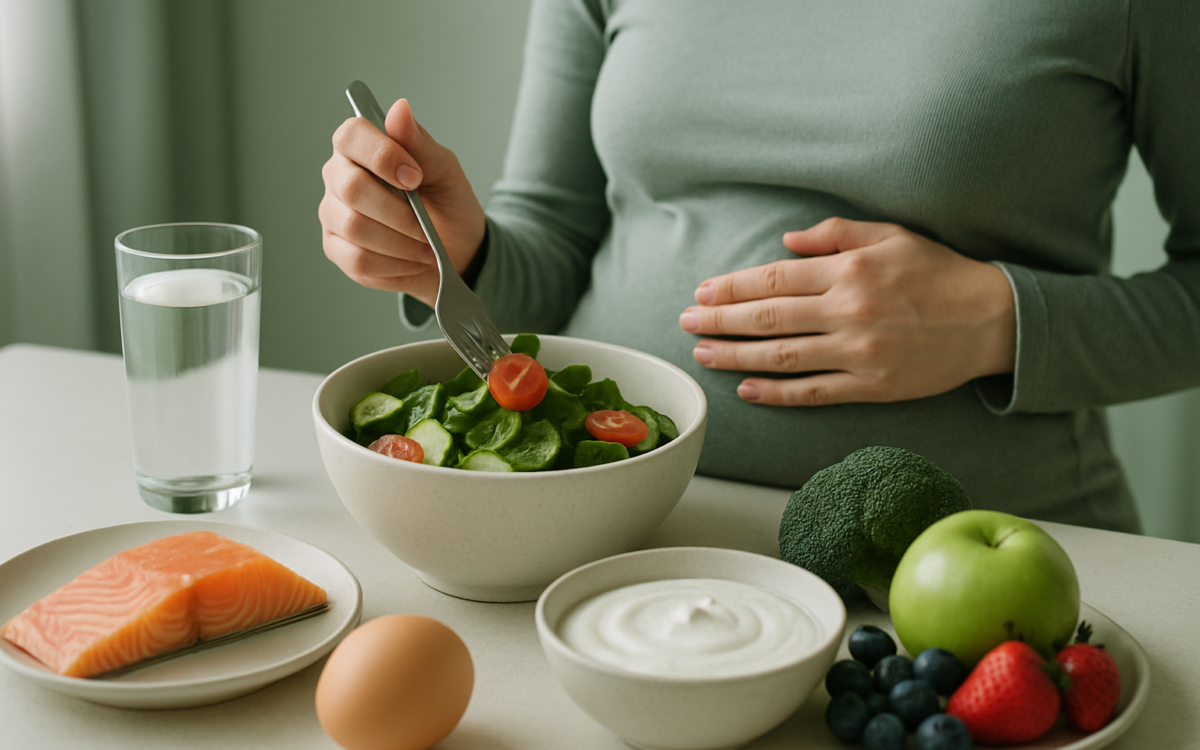
Pregnancy is a remarkable journey filled with new experiences and changes. A critical part of this journey is nutrition, as what you eat not only affects your health but also the health of your growing baby. Understanding the best foods to include in your diet can help ensure that both you and your little one receive the essential nutrients needed for a healthy development.
Leafy Greens: A Powerhouse of Nutrients
Leafy green vegetables, such as spinach, kale, and Swiss chard, are incredibly nutrient-dense. They are rich in folate, which is crucial for reducing the risk of neural tube defects in the developing fetus. Folate is also important for overall cell growth and development.
In addition to folate, these greens provide vitamins A, C, and K, as well as iron and calcium. Incorporating a variety of these vegetables into your meals, whether in salads, smoothies, or cooked dishes, can help support your increasing nutritional needs.
Whole Grains: Fueling Your Body
Whole grains, such as quinoa, brown rice, oats, and whole-wheat bread, are excellent sources of complex carbohydrates. They provide energy and contain essential nutrients like fiber, B vitamins, and minerals. During pregnancy, your body requires extra energy, and whole grains can help meet that requirement while aiding in digestion and preventing constipation.
Including whole grains in your diet can also help stabilize blood sugar levels, which is particularly important during pregnancy. Try starting your day with whole grain oatmeal or incorporating brown rice into your lunch and dinner meals.
Protein Sources: Building Blocks for Growth
Protein is essential for the growth and development of your baby’s cells. Pregnant women should aim to include good sources of protein in their diets, such as lean meats, poultry, fish, eggs, dairy products, beans, and legumes. These foods not only provide high-quality protein but also contain other vital nutrients like iron and omega-3 fatty acids.
Fish, particularly those rich in omega-3 fatty acids, like salmon and sardines, can help support brain development in the fetus. However, be cautious about fish high in mercury, such as shark and swordfish, and limit their intake. Instead, opt for safer choices like shrimp or catfish (FDA Fish Advice).
Dairy for Strong Bones
Dairy products such as milk, yogurt, and cheese are fantastic sources of calcium, Protein, and Vitamin D—nutrients that support fetal bone development and maintain your own bone health. Calcium is especially important during pregnancy as it helps build your baby’s bones and teeth.
If you are lactose intolerant or prefer non-dairy options, consider fortified plant-based alternatives, such as almond or soy milk, which can also provide similar nutrients.
Fruits: Nature’s Sweet Treats
Fruits are not just delicious; they are packed with essential vitamins, minerals, and antioxidants. Citrus fruits like oranges and grapefruits provide vitamin C, which supports the immune system. Bananas are rich in potassium, which can help with muscle cramps, while berries are loaded with antioxidants and provide essential vitamins.
Eating a variety of colorful fruits can help ensure you receive a wide range of nutrients. Try to incorporate fruits into your daily snacks or as a healthy dessert option.
Healthy Fats: Essential for Development
Healthy fats are crucial in your diet throughout pregnancy. Foods rich in monounsaturated and polyunsaturated fats include avocados, nuts, seeds, and olive oil. These fats support brain development in the fetus and provide lasting energy for you.
Don’t shy away from adding a handful of nuts to your meals or enjoying slices of avocado on your toast. Just remember that healthy fats are calorie-dense, so moderation is key.
When to See a Doctor
If you experience any of the following symptoms during your pregnancy, it’s important to consult your healthcare provider:
- Severe nausea or vomiting that prevents you from keeping food down
- Any sudden changes in your appetite or cravings
- Signs of dehydration, such as dark urine or dizziness
- Unexplained weight loss or gain
Your doctor can help guide you to ensure you’re following a balanced diet that meets your unique needs.
In conclusion, focusing on nutrient-dense foods during pregnancy is vital for the health of both you and your baby. Aim to create balanced meals that include a variety of leafy greens, whole grains, proteins, dairy, fruits, and healthy fats to support this important time in your life. Always consult your healthcare provider for personalized recommendations and to address any dietary concerns.
