
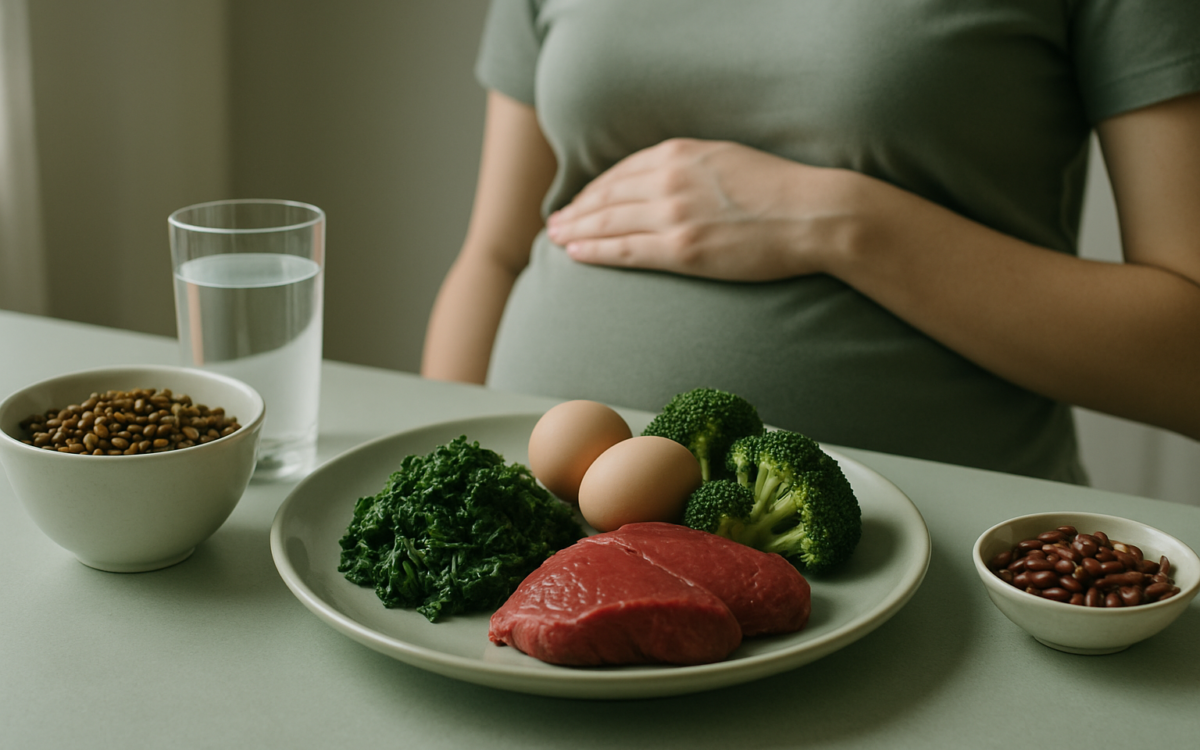
During pregnancy, a woman’s nutritional needs change significantly. One essential nutrient that often requires special attention is iron. Adequate iron intake is crucial not only for the mother’s health but also for the baby’s development. This article will explore the importance of iron during pregnancy and highlight various iron-rich foods that can help expectant mothers meet their nutritional goals.
The Role of Iron in Pregnancy
Iron plays a vital role in producing hemoglobin, the protein in red blood cells that carries oxygen to the body’s tissues. During pregnancy, women need significantly more iron to support the increasing blood volume and the growing fetus. According to the National Institutes of Health (NIH), pregnant women typically require about 27 mg of iron daily, compared to 18 mg for non-pregnant women.
Consequences of Iron Deficiency
Insufficient iron intake can lead to iron deficiency anemia. This condition can cause fatigue, weakness, and complications during pregnancy, including low birth weight and preterm delivery. Therefore, it’s essential for pregnant women to pay attention to their iron levels and include iron-rich foods in their diet.
Top Iron Foods for Pregnant Women
Here’s a list of some excellent iron-rich foods that can help pregnant women meet their increased iron needs:
1. Lean Meat and Poultry
- Beef: A great source of heme iron, which is more easily absorbed by the body.
- Pork: Another good option; it provides a significant amount of iron.
- Chicken: Especially dark meat, contains more iron compared to white meat.
2. Seafood
- Fish: Salmon and tuna are particularly good sources of iron.
- Shellfish: Oysters, clams, and mussels are among the highest sources of iron.
3. Legumes
- Beans: Lentils, chickpeas, and black beans are rich in non-heme iron and also high in protein and fiber.
- Peas: Green peas are also nutritious and can be added to many dishes.
4. Leafy Greens
- Spinach: Packed with iron, spinach can be easily incorporated into salads or smoothies.
- Kale: Another healthy green that can help boost iron intake.
5. Nuts and Seeds
- Pumpkin seeds: A great snack option with a decent amount of iron.
- Almonds: While not as high in iron as other foods, they are still beneficial as part of a balanced diet.
6. Fortified Foods
- Cereals: Many breakfast cereals are fortified with iron, making them an excellent choice for a nutritious start to the day.
- Breads: Whole grain and enriched breads can also provide a good source of iron.
Enhancing Iron Absorption
It’s important to know that not all sources of iron are absorbed equally. Heme iron from animal sources is better absorbed than non-heme iron from plants. To enhance the absorption of non-heme iron, consider pairing iron-rich foods with vitamin C sources. Foods like oranges, strawberries, bell peppers, and tomatoes can help boost iron absorption.
For example, adding citrus fruits to a spinach salad can enhance the amount of iron your body absorbs from the spinach.
Conclusion
Ensuring adequate iron intake during pregnancy is vital for both the mother and the developing baby. By incorporating a variety of iron-rich foods, such as lean meats, legumes, and leafy greens, pregnant women can support their nutritional needs effectively. Always consult your healthcare provider before making any significant changes to your diet or if you have concerns about your iron levels.
When to See a Doctor
If you experience symptoms such as extreme fatigue, weakness, or other signs that may indicate iron deficiency, it’s essential to consult your healthcare provider. They can assess your iron levels and recommend appropriate dietary adjustments or supplements tailored to your needs.
