
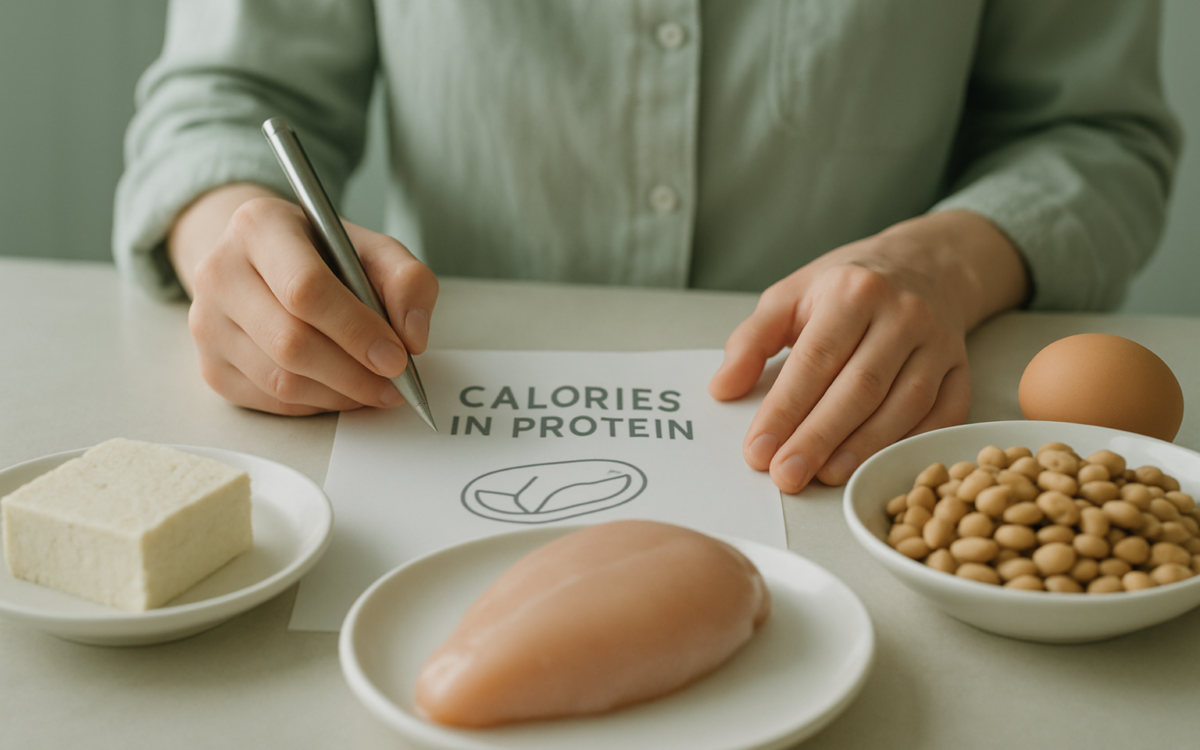
When it comes to nutrition, protein often takes center stage. It’s a crucial macronutrient that plays various roles in our bodies, from building muscles to supporting our immune systems. However, not all protein sources are created equal in terms of calories. Understanding the calories in protein can help you make healthier food choices regarding your overall diet.
What Are Calories?
Calories are units of energy that we obtain from the food we eat. Our bodies need calories to carry out essential functions such as breathing, digestion, and physical activities. The balance between calories consumed and calories burned determines whether we gain or lose weight. Each macronutrient—carbohydrates, fats, and proteins—provides a different number of calories per gram. This is essential to keep in mind when considering your dietary choices.
Calories in Protein
Protein contains approximately 4 calories per gram. While this may seem lower than fat, which has about 9 calories per gram, the number of calories you consume from protein can add up, especially when transitioning to protein-rich diets. A standard serving of protein, such as a piece of chicken or a scoop of protein powder, can range from 20 to 30 grams. This means that a single protein serving can deliver anywhere from 80 to 120 calories from protein alone.
Sources of Protein
There are two main categories of protein sources: animal and plant-based. Each has its unique profile of calories and additional nutrients.
Animal-Based Proteins
- Meats: Chicken breast (approximately 165 calories for 100g) is low in fat and high in protein.
- Fish: Salmon (about 206 calories for 100g) is high in omega-3 fatty acids.
- Dairy: Greek yogurt (approximately 59 calories for 100g) is a great source of protein and probiotics.
Plant-Based Proteins
- Legumes: Lentils (approximately 116 calories for 100g) are high in fiber and protein.
- Nuts and Seeds: Almonds (around 576 calories for 100g) are calorie-dense but offer healthy fats and protein.
- Tofu: A versatile protein source with about 76 calories for 100g, making it excellent for various dishes.
Why Protein Matters in Your Diet
Protein plays several vital roles in maintaining good health. Adequate protein intake is necessary for building and repairing tissues, producing enzymes and hormones, and supporting immune function. Furthermore, protein helps promote feelings of fullness, which can assist with weight management. By understanding the calories in protein and incorporating the right amount into your diet, you can enhance your overall health.
Protein and Weight Management
For those looking to manage their weight, protein can be a helpful ally. Consuming sufficient protein can help reduce appetite and increase the rate at which your body burns calories. According to research from the National Institutes of Health, higher protein diets may be beneficial for weight loss and maintaining a healthy weight in the long term. Incorporating protein alongside a balanced diet can lead to better outcomes for both weight management and overall health.
Daily Protein Recommendations
The recommended dietary allowance (RDA) for protein varies by age, sex, and level of physical activity. Generally, the average adult should consume about 46 grams of protein per day for women and 56 grams per day for men. Athletes or those engaged in intense physical activity may require more. It’s important to remember that your total calorie intake should also come from various sources, ensuring your diet is balanced and nutritious.
Impact of Cooking on Protein Calories
The way you prepare protein sources can also affect their calorie content. For example, frying chicken can significantly increase its calorie count due to the added fats, while grilling or baking may keep it leaner. Additionally, sauces and marinades can contribute extra calories. Being aware of your cooking methods can help you manage your calorie intake more effectively.
When to See a Doctor
If you have concerns about your protein intake or dietary choices, speaking with a healthcare provider or a registered dietitian can provide personalized insights. They can assess your individual nutrition needs based on your health goals, activity levels, and any underlying medical conditions.
In conclusion, understanding the calories in protein and how they fit into your overall diet can empower you to make informed food choices. By incorporating a variety of protein sources and balancing them with other nutrients, you can support your health and well-being. Remember to consult your healthcare provider when making significant changes to your diet, particularly if you’re considering higher protein intake for weight loss or athletic performance.
