
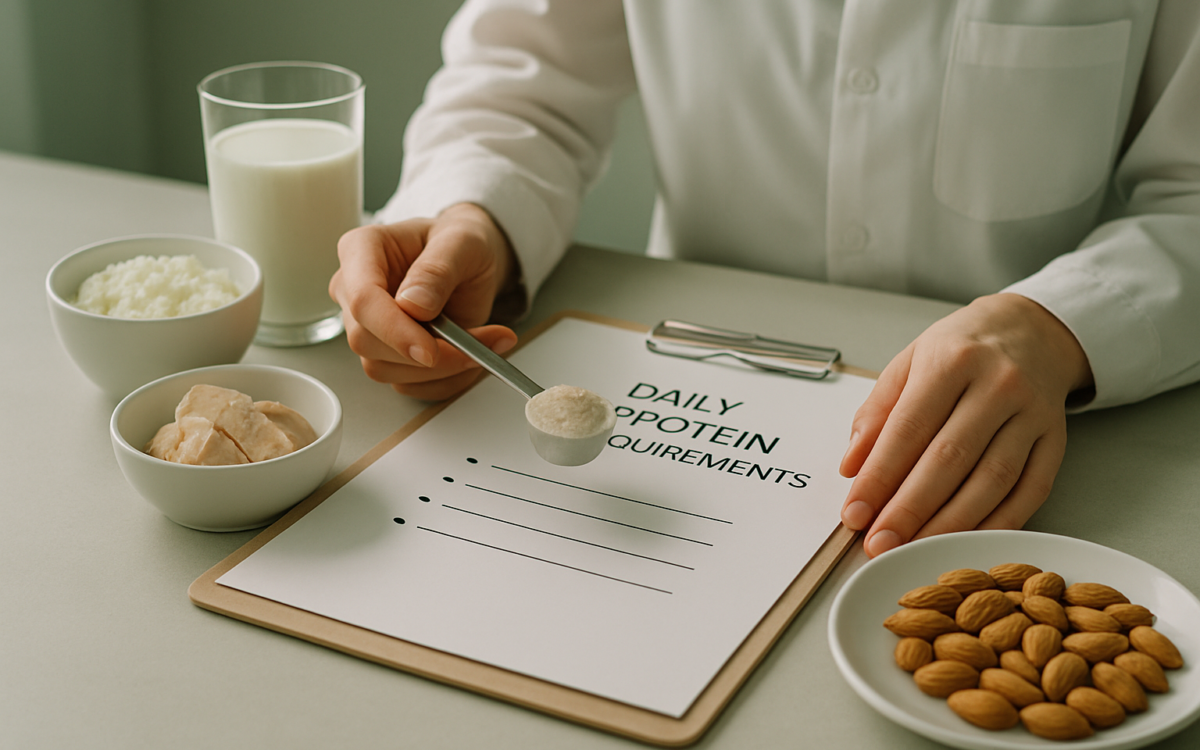
Protein is an essential nutrient that plays a key role in our bodies. From building muscles to repairing tissues and supporting immune function, protein is vital for maintaining overall health. Understanding how much protein you need daily can help you make informed choices about your diet and ensure you’re meeting your body’s requirements.
What Are Daily Protein Requirements?
Daily protein requirements can vary based on several factors including age, sex, physical activity level, and overall health. The Recommended Dietary Allowance (RDA) for protein is set at about 0.8 grams of protein per kilogram of body weight for the average adult. This means that a 70-kilogram person (roughly 154 pounds) needs about 56 grams of protein each day.
Why Is Protein Important?
Protein plays numerous roles in the body:
- Building Blocks of Life: Proteins are made up of amino acids, which are necessary for the growth and repair of tissues.
- Supporting Muscle Health: Adequate protein intake is essential for maintaining muscle mass, especially as we age.
- Boosting Immunity: Antibodies, which help fight infections, are proteins.
- Healthy Metabolism: Protein plays a role in various metabolic processes, including hormone production and enzyme function.
Factors Influencing Protein Needs
Age and Gender
Protein needs can change throughout a person’s life. For example, children and teenagers require more protein for growth and development. Older adults also need higher protein intake to prevent muscle loss. The National Institutes of Health (NIH) suggests that older adults (aged 65 and older) should aim for 1.0-1.2 grams per kilogram of body weight.
Activity Level
Active individuals, especially those who engage in strength training or endurance sports, may need significantly more protein. The American College of Sports Medicine recommends that athletes consume between 1.2 to 2.0 grams of protein per kilogram of body weight.
Health Conditions
Certain health conditions can also affect protein needs. For instance, individuals recovering from surgery, illness, or managing chronic diseases may require more protein to support healing and health.
Sources of Protein
There are many foods rich in protein, and they come from both animal and plant sources. Here are some options:
Animal Sources
- Meat (chicken, turkey, beef, pork)
- Fish (salmon, tuna, mackerel)
- Eggs
- Dairy (milk, cheese, yogurt)
Plant Sources
- Legumes (beans, lentils, chickpeas)
- Nuts and seeds (almonds, walnuts, chia seeds)
- Whole grains (quinoa, brown rice, oats)
- Tofu and tempeh
Combining different sources can help you meet your protein needs, especially if you follow a vegetarian or vegan diet. For example, pairing rice and beans creates a complete protein source!
How to Monitor Your Protein Intake
Tracking your protein intake can help you ensure you’re meeting your daily requirements:
- Food Diary: Keep a record of what you eat, noting the protein content.
- Nutrition Apps: Use apps designed to help track macronutrients, including protein.
- Reading Labels: Familiarize yourself with food labels to understand how much protein is in the foods you consume.
These methods can help you adjust your intake to meet your specific needs.
When to See a Doctor
If you’re unsure about your protein requirements or experience significant health changes, consult with a healthcare provider. They can offer personalized guidance and determine if you need any dietary adjustments.
Conclusion
Understanding daily protein requirements is essential for maintaining health and wellness. By recognizing factors that influence your protein needs, you can make informed dietary choices. Remember, whether you are looking to build muscle, maintain weight, or optimize overall health, finding the right amount of protein for your unique situation can make a significant difference in achieving your health goals.
