
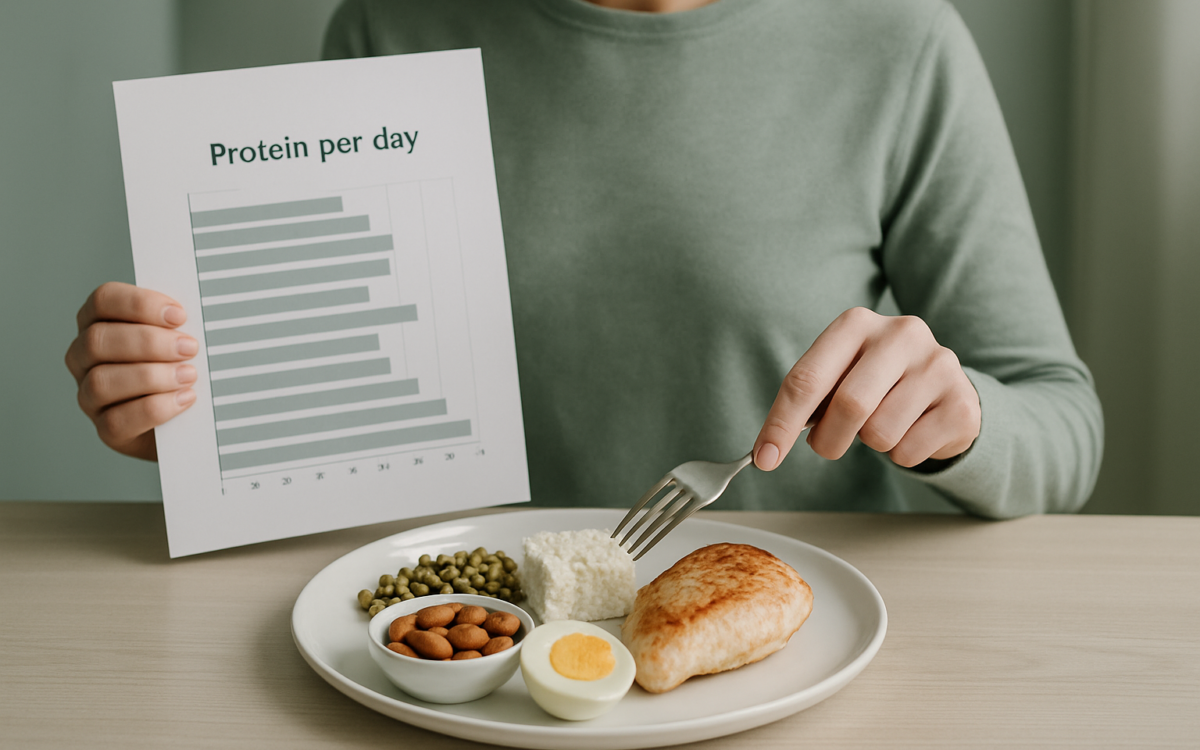
How much protein do you need in a day? This question is more relevant than ever, as people are increasingly aware of diet’s impact on health, fitness, and overall well-being. Protein plays a vital role in building and repairing tissues, making it essential for everyone—from athletes to those following a general balanced diet. However, determining the right amount can feel overwhelming, given the variety of sources and recommendations available. In this article, we’ll break down how much protein you truly need based on several factors.
Understanding Protein Basics
Protein is one of the three macronutrients—along with carbohydrates and fats— that our bodies need to function effectively. It’s made up of amino acids, which are crucial for numerous bodily functions, including:
- Building muscle and bone strength
- Producing enzymes and hormones
- Supporting immune function
- Transporting nutrients in the bloodstream
For many people, protein intake can be achieved through a balanced diet rich in both animal and plant sources.
Recommended Daily Allowance (RDA) for Protein
The Recommended Daily Allowance for protein varies by age, sex, and activity level. According to the National Institutes of Health (NIH), the general guideline is:
- Adult men: About 56 grams per day
- Adult women: About 46 grams per day
- Pregnant or breastfeeding women: 71 grams per day
However, these numbers are only a starting point. Factors such as your level of physical activity, muscle mass, and specific health conditions can necessitate adjustments in your protein intake.
Activity Level and Protein Requirements
Your activity level plays a significant role in determining how much protein you need. A sedentary lifestyle might require lower protein intake, while athletes and those who engage in regular strenuous activity may need significantly more.
Here’s a breakdown:
- Sedentary adults: 0.8 grams of protein per kilogram of body weight
- Active individuals: 1.0 to 1.2 grams of protein per kilogram of body weight
- Athletes: 1.2 to 2.0 grams of protein per kilogram of body weight, depending on the sport and training intensity
For example, a 70-kilogram (154-pound) athlete may need anywhere from 84 grams to 140 grams of protein per day. Keeping track of your protein intake can be beneficial, especially if you’re training for a specific event.
Protein Sources and Their Benefits
Not all protein sources are equal, and where you get your protein from can also affect your overall health. Animal-based proteins, such as meat, fish, and dairy, typically contain all essential amino acids and are considered complete proteins. Plant-based proteins, like beans, lentils, and nuts, often lack one or more essential amino acids but can be combined to form a complete protein profile.
Examples of protein-rich foods include:
- Chicken breast
- Fish
- Eggs
- Tofu and tempeh
- Greek yogurt
- Legumes and beans
- Nuts and seeds
If you’re considering transitioning to a more plant-based diet, it’s essential to ensure you’re getting a complete amino acid profile. With a bit of planning, this can be easily managed.
Protein Intake for Special Populations
Certain populations may require different protein intakes. For example, older adults may benefit from consuming more protein to help prevent muscle loss associated with aging. The World Health Organization (WHO) suggests that older adults consume 1.0 to 1.2 grams of protein per kilogram of body weight to maintain muscle mass and support overall health.
Additionally, individuals recovering from surgery or serious injuries may need increased protein intake to aid in the healing process. If you’re seeking specialized treatment, exploring options like treatment in Turkey may provide access to comprehensive nutritional assessments that consider your unique needs.
Tracking Your Protein Intake
An easy way to monitor your protein intake is by using food diaries or nutrition tracking apps. These tools can help you become more aware of your dietary habits and ensure you’re meeting your protein goals. Here are a few tips for tracking your protein intake effectively:
- Weigh and measure your food when possible to get accurate portions.
- Check nutrition labels for protein content.
- Consult reliable nutrition databases for additional information.
By keeping track of your daily protein consumption, you can make informed choices and adjust your diet as needed to meet your protein needs.
When to See a Doctor
If you’re unsure about your protein needs or have specific dietary restrictions due to health conditions, consulting a healthcare professional or registered dietitian can provide personalized guidance. It’s particularly important to seek professional advice if you’re experiencing symptoms of inadequate protein intake, such as fatigue, muscle weakness, or poor wound healing.
Conclusion
Ultimately, determining how much protein you need per day depends on various factors such as age, activity level, and health status. By understanding these dynamics, you can better tailor your diet to meet your unique needs. Remember, nutritional science is continually evolving, so it’s wise to stay informed and consult with healthcare professionals regarding any significant changes to your diet.
