
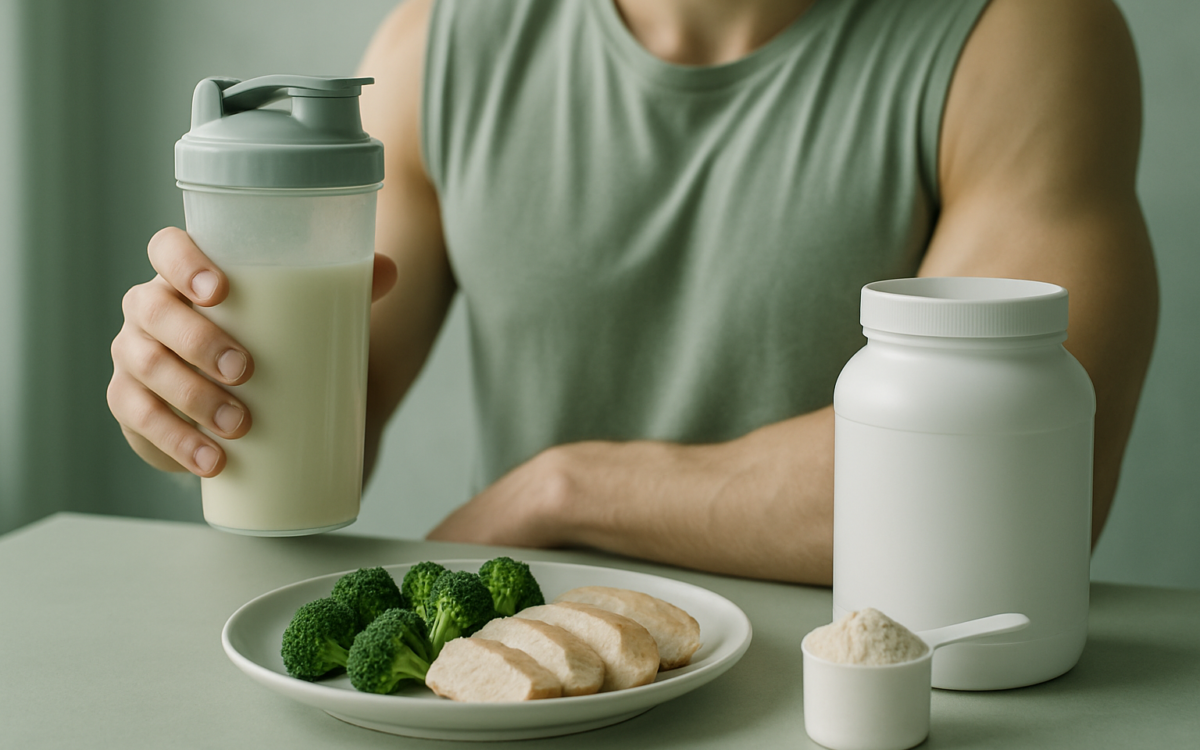
When it comes to building muscle, protein frequently takes center stage. You might have heard that protein is essential for muscle growth, but why is it so important? How much do you really need? And what are the best sources?
What is Protein and Why is it Important?
Protein is a macronutrient made up of small units called amino acids. Your body requires protein for a variety of vital functions, including:
- Building and repairing tissues
- Producing enzymes and hormones
- Supporting immune function
For those aiming to build muscle, adequate protein intake is critical. When you work out, especially during strength training, you cause tiny tears in your muscle fibers. Consuming protein helps fix and rebuild these fibers, leading to muscle growth.
How Much Protein Do You Need?
When it comes to protein intake, one size does not fit all. The Recommended Dietary Allowance (RDA) for protein varies based on factors like age, sex, and physical activity level. Generally, most adults need about 0.8 grams of protein per kilogram of body weight daily. However, if you’re actively trying to build muscle, you may require more.
A common guideline for those engaged in strength training is between 1.6 and 2.2 grams of protein per kilogram of body weight. This increase supports muscle recovery and growth following intense workouts. For example, if you weigh 70 kg (about 154 lbs), you might aim for 112 to 154 grams of protein each day.
Quality Protein Sources
It’s not just about the quantity of protein, but also the quality. High-quality proteins contain all essential amino acids your body cannot synthesize. Here are some top sources:
Animal-based Proteins
- Lean meats: Chicken, turkey, and lean cuts of beef are excellent sources.
- Fish and seafood: Salmon, tuna, and shrimp are protein-rich and also provide healthy fats.
- Dairy products: Milk, yogurt, and cheese provide protein along with calcium for bone health.
Plant-based Proteins
- Legumes: Beans, lentils, and chickpeas are great vegan protein sources.
- Nuts and seeds: Almonds, walnuts, and chia seeds offer protein and healthy fats.
- Whole grains: Quinoa, barley, and brown rice contribute protein as part of a balanced diet.
Timing Your Protein Intake
When you consume protein can be just as important as how much you consume. The timing of your protein intake can help maximize muscle synthesis. Here are some tips for efficient protein timing:
- Pre-workout: Having a protein-rich snack or meal 1-2 hours before exercising can fuel your workout and reduce muscle breakdown.
- Post-workout: Aim to eat protein within 30 minutes to 2 hours after exercising. This is prime time for muscle recovery.
- Spread throughout the day: Consuming protein evenly across your meals can improve muscle synthesis compared to cramming it all into one meal.
Potential Risks of Too Much Protein
While protein is essential for muscle growth, excessive intake can lead to health issues. Overeating protein can stress your kidneys and lead to dehydration. It may also result in imbalances in your diet, causing you to miss out on other vital nutrients like fiber, vitamins, and minerals.
For the majority of people, consuming protein in moderation does not pose risks. However, if you have pre-existing kidney conditions or other health issues, consult with a healthcare professional before making major changes to your protein intake. For more information, refer to resources from the National Heart, Lung, and Blood Institute.
When to See a Doctor
If you have concerns about your protein intake or nutrition overall, especially if you’re considering significant dietary changes, it’s a good idea to consult a healthcare professional. Signs that you may need to seek medical advice include:
- Unintentional weight changes
- Muscle weakness
- Chronic fatigue or low energy levels
Conclusion
Protein plays a crucial role in building muscle and supporting overall health. Understanding how much you need, which sources are best, and how to time your intake can help you maximize your fitness goals. Remember to balance your protein consumption with other nutrients to maintain your well-being. Whether you’re just beginning your fitness journey or looking to enhance your results, focusing on protein can help pave the way to success.
