
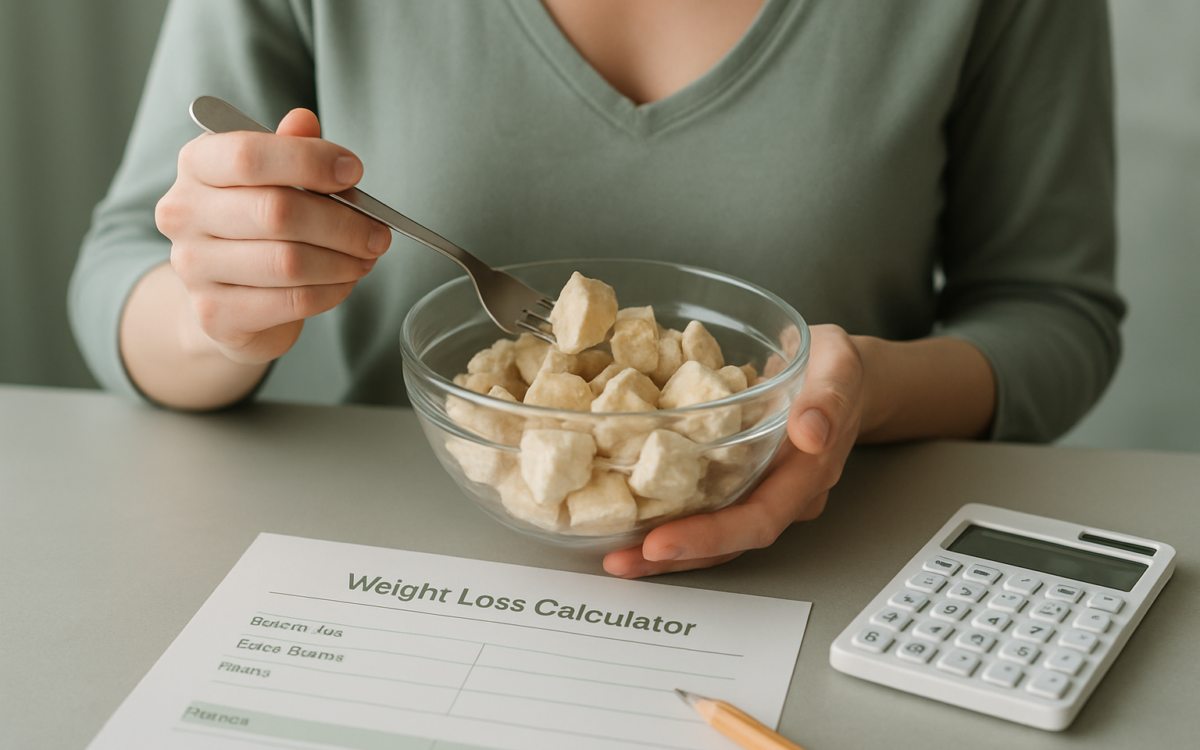
When it comes to losing weight, understanding what you eat is key. One of the most important nutrients in our diet is protein. While many focus on calories or fat, protein plays a crucial role in weight loss, muscle maintenance, and overall health. But how much do you really need? That’s where a protein weight loss calculator can come in handy!
What is a Protein Weight Loss Calculator?
A protein weight loss calculator helps you determine how much protein you should consume each day for your weight loss goals. By taking into account your body weight, level of physical activity, and weight loss objectives, this tool makes it easier to tailor your diet for the best results.
Why is Protein Important for Weight Loss?
Protein has several benefits that can aid your weight loss journey:
- Satiety: Protein-rich foods are known to keep you feeling full longer, which can help reduce overall calorie intake.
- Muscle Maintenance: When losing weight, it’s important to preserve lean muscle mass. Protein supports this process.
- Metabolism Boost: High-protein diets can slightly increase your metabolism, helping you burn more calories even at rest.
Research published by the NIH shows that higher protein intake can lead to better weight management outcomes.
How to Use a Protein Weight Loss Calculator
Using a protein weight loss calculator is straightforward. Typically, these calculators ask for your weight, activity level, and specific weight loss goals (e.g., how much weight you want to lose). Here’s how to get started:
- Input Your Details: Enter your current weight, target weight, and level of physical activity (e.g., sedentary, moderately active, very active).
- Calculate: Click the calculate button, and the tool will estimate your daily protein needs.
- Adjust Your Diet: Use the results to guide your daily protein intake. Aim to include protein-rich foods in your meals and snacks.
Many fitness websites and apps offer easy-to-use calculators, making it simple to find and track your protein intake.
Determining Your Daily Protein Needs
Individual protein needs can vary based on several factors. Here’s a brief overview of how to think about your protein intake:
- General Guidelines: The Recommended Dietary Allowance (RDA) for protein is about 46 grams per day for women and 56 grams for men, but this is a baseline and may not suffice for active individuals.
- For Weight Loss: Many experts recommend a higher intake of 1.2 to 1.6 grams of protein per kilogram of body weight for those aiming to lose weight while preserving muscle.
- Activity Level Matters: If you engage in vigorous physical activities or strength training, your protein needs may be even higher.
To calculate this, convert your body weight from pounds to kilograms (divide by 2.2), then multiply by the protein recommendation (e.g., 1.2-1.6 g/kg).
Choosing Protein Sources Wisely
Not all protein sources are created equal. Here’s how to choose wisely:
- Lean Meats: Chicken breast, turkey, and fish are great choices that offer high protein with less fat.
- Plant-Based Options: Beans, lentils, tofu, and tempeh are excellent alternatives for vegetarians and vegans.
- Dairy: Low-fat yogurt, milk, and cheese can also provide good protein while giving you other nutrients.
- Protein Supplements: These can be useful if you struggle to meet your protein needs through food alone. However, whole food sources are always preferable.
Make sure your protein sources are varied to ensure you’re getting not only protein but also essential vitamins and minerals.
Monitoring Your Progress
Tracking your weight loss progress alongside your protein intake can be empowering. Consider maintaining a food diary or using a nutrition tracking app. Here are some tips:
- Daily Tracking: Log your meals and protein intake daily to maintain accountability.
- Weekly Weigh-Ins: Weigh yourself weekly at the same time to monitor your progress.
- Adjust as Needed: If your weight loss plateaus, it might be time to adjust your calorie intake or protein consumption.
When to See a Doctor
While protein is essential for weight loss and overall health, excessive protein intake can have side effects, particularly for individuals with certain health conditions. If you experience any of the following symptoms, it’s important to consult a healthcare provider:
- Kidney issues or history of kidney disease
- Unexplained digestive problems
- Any concerns about your dietary intake
Your doctor can guide you on the appropriate amount of protein and help you create a sustainable and healthy eating plan.
In conclusion, a protein weight loss calculator can be a valuable tool on your journey to lose weight. By understanding your protein needs and how to meet them through your diet, you’re setting yourself up for success. Remember, moderation and balance are crucial. Consult with a healthcare provider to make sure you’re on the right track for your individual health needs!
