
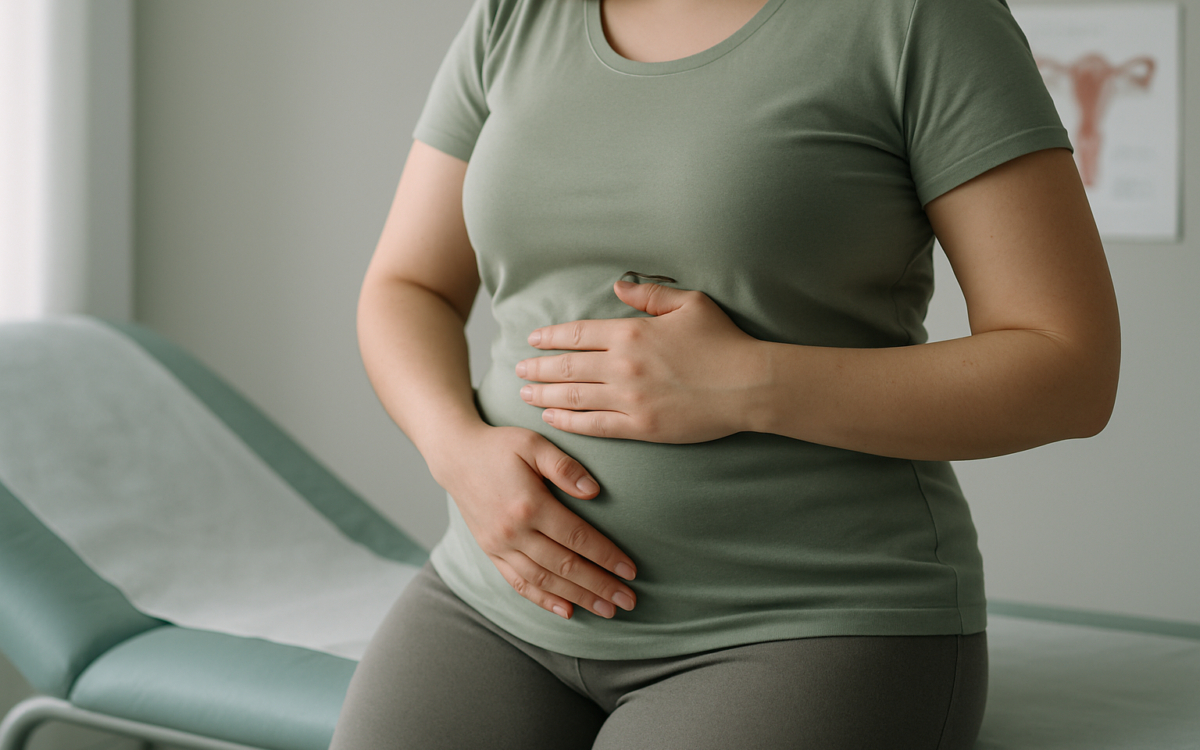
Polycystic Ovary Syndrome (PCOS) is a common hormonal disorder affecting women worldwide. It can cause a variety of symptoms that can impact one’s physical and emotional well-being. Understanding PCOS is important for women who may be experiencing its effects, as early diagnosis and management can help mitigate symptoms and improve quality of life.
What is Polycystic Ovary Syndrome?
PCOS is an endocrine disorder that affects the ovaries, causing hormonal imbalances. Women with PCOS often experience irregular menstrual cycles, excess hair growth, and acne. The name “polycystic” refers to the enlarged ovaries that may develop numerous tiny cysts, although not every woman with PCOS has cysts on their ovaries.
Symptoms of PCOS
The symptoms of PCOS can vary widely among women and might include:
- Irregular Menstrual Cycles: Many women with PCOS have infrequent or prolonged menstrual periods.
- Excess Androgens: Increased levels of male hormones, known as androgens, can lead to physical signs such as excessive hair growth (hirsutism), thinning hair, and severe acne.
- Polycystic Ovaries: Some women may see multiple small cysts on their ovaries during an ultrasound.
- Weight Gain: Many women with PCOS struggle with obesity or difficulty losing weight.
- Skin Issues: This may include dark patches of skin (acanthosis nigricans) or skin tags.
While having one or more of these symptoms does not mean a woman has PCOS, they are often used by healthcare providers to diagnose the disorder.
The Causes of PCOS
The exact cause of PCOS is not completely understood, but several factors may play a role:
- Genetics: Family history can indicate a hereditary component.
- Insulin Resistance: Many women with PCOS also have insulin resistance, which can lead to higher insulin levels and weight gain.
- Inflammation: Research suggests that women with PCOS may have low-grade inflammation, which could play a role in the disorder.
Researchers continue to study the links between these factors and PCOS to develop better management strategies.
Diagnosis of PCOS
Diagnosing PCOS typically involves a combination of medical history, physical exams, and tests. Common methods include:
- Blood Tests: These can check hormone levels and sugar levels to assess insulin resistance.
- Ultrasound: A pelvic ultrasound can help visualize the ovaries for cysts.
- Medical History: A healthcare provider will often inquire about menstrual patterns and other symptoms.
It is essential to consult with a healthcare professional if you suspect PCOS, as they can provide accurate diagnosis and potential treatment options.
Managing PCOS: Lifestyle and Medical Options
While there is currently no cure for PCOS, several management strategies can help alleviate symptoms:
Lifestyle Changes
Making lifestyle changes can be incredibly effective in managing symptoms of PCOS:
- Healthy Diet: A balanced diet rich in whole foods, vegetables, and lean protein can help manage weight and improve insulin sensitivity.
- Regular Exercise: Physical activity can help maintain a healthy weight and reduce insulin resistance.
- Weight Management: Even a modest weight loss can improve symptoms for many women.
Medical Treatments
Depending on symptoms, a healthcare provider may recommend various treatments, including:
- Birth Control Pills: These can help regulate menstrual cycles and reduce androgen levels.
- Medications for Insulin Resistance: Metformin is commonly prescribed to help manage insulin levels.
- Fertility Treatments: For those facing challenges with conception, reproductive therapies may be considered.
It’s important for women with PCOS to work closely with their healthcare providers to determine the best management plan tailored to their individual needs.
Emotional Well-Being and PCOS
The impact of PCOS can extend beyond physical symptoms, influencing emotional and mental health. Women with PCOS may experience:
- Anxiety and Depression: Due to hormonal changes and challenges like infertility or body image issues, many women face mental health challenges.
- Body Image Concerns: Physical symptoms such as weight gain or excessive hair growth can affect self-esteem.
Support groups, counseling, and self-care strategies can play a crucial role in managing the emotional aspects of PCOS.
When to See a Doctor
If you are experiencing symptoms such as irregular periods, excessive hair growth, or weight gain, it’s important to consult a healthcare professional. Early diagnosis and intervention can greatly improve management of PCOS.
Conclusion
Polycystic Ovary Syndrome is a complex condition that can affect various aspects of a woman’s life. While the symptoms and challenges may be daunting, understanding the disorder is a critical step toward effective management. Women with PCOS are encouraged to have open conversations with their healthcare providers to explore tailored strategies that can help improve both physical and emotional well-being. For more detailed information, the National Institutes of Health or Mayo Clinic offer valuable resources on PCOS.
