
Polycystic Ovary Syndrome, commonly known as PCOS, is a hormonal disorder that affects many women during their reproductive years. Understanding the criteria for diagnosing PCOS is vital for effective management and treatment. Let’s dive into the well-recognized criteria, symptoms, and implications of PCOS.
What is PCOS?
PCOS is a condition characterized by hormonal imbalance and metabolism issues. It often leads to a range of symptoms that can include irregular menstrual cycles, weight gain, acne, and excessive hair growth. PCOS can also lead to long-term health concerns, such as diabetes and heart disease.
The Diagnostic Criteria for PCOS
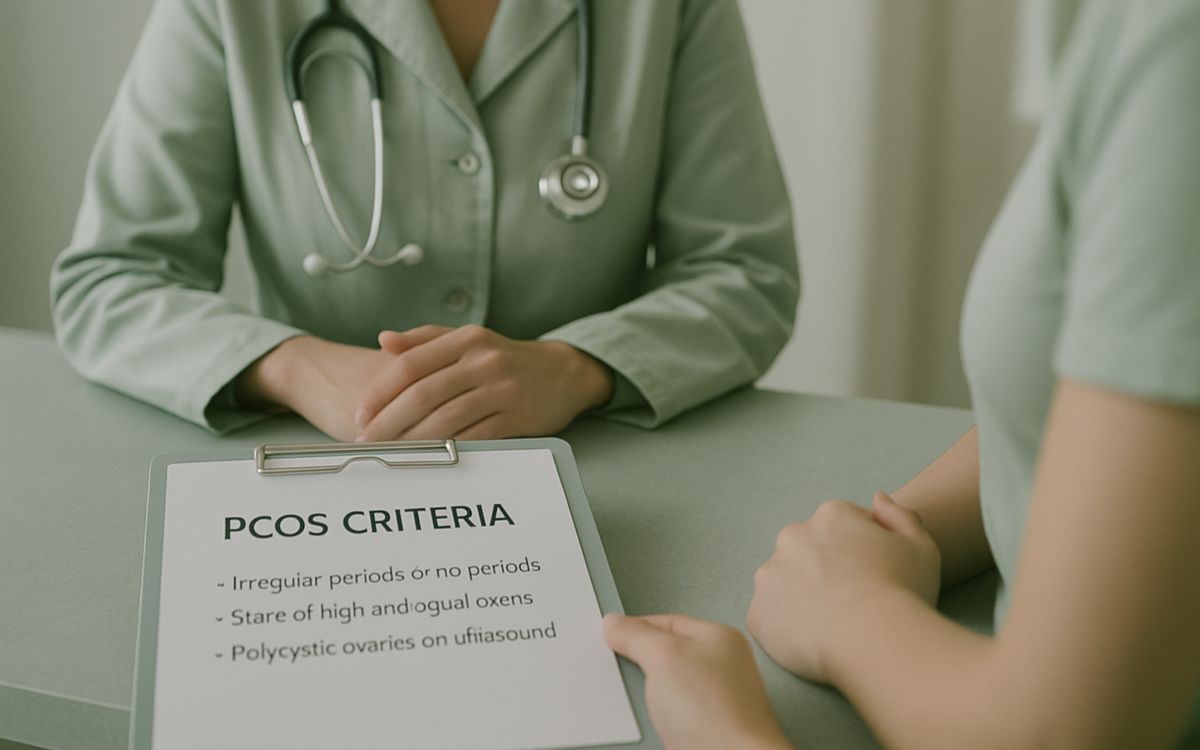
The criteria for diagnosing PCOS primarily come from the Rotterdam Consensus, established in 2003. According to these guidelines, a diagnosis of PCOS is made when at least two of the following three criteria are present:
- Irregular Menstrual Cycles: This may include infrequent periods or prolonged cycles.
- Hyperandrogenism: This refers to elevated levels of male hormones, which can manifest as symptoms like excessive hair growth (hirsutism), acne, or thinning hair.
- Polycystic Ovaries: Ultrasound imaging may show enlarged ovaries with multiple small cysts.
It’s important to note that simply having polycystic ovaries does not automatically mean a person has PCOS. Diagnosing this condition requires a comprehensive evaluation of symptoms and test results.
Additional Factors in Diagnosis
While the Rotterdam criteria focus on clinical symptoms and imaging, other factors may be considered during diagnosis:
- Blood Tests: Hormonal levels are often evaluated to rule out other conditions and better understand an individual’s hormonal profile. Tests may check for elevated testosterone and other androgens.
- Family History: A family history of PCOS or related conditions can contribute to the likelihood of being diagnosed.
- Exclusion of Other Conditions: Conditions such as thyroid disorders, adrenal gland disorders, or other endocrine issues must be ruled out.
Understanding Symptoms
Recognizing the symptoms associated with PCOS can aid in earlier diagnosis and treatment. Symptoms can vary widely from one individual to another. Here are some common manifestations:
- Menstrual Irregularities: Infrequent or prolonged periods are common in women with PCOS.
- Weight Gain: Many women with PCOS struggle with weight, often due to insulin resistance.
- Skin Issues: Acne and oily skin are frequently reported, stemming from hormonal imbalances.
- Excessive Hair Growth: Some women experience hirsutism, which is the growth of coarse hair in areas such as the face, back, and chest.
- Infertility: PCOS is a leading cause of infertility due to irregular ovulation or failure to ovulate.
The Impact of PCOS on Health
PCOS can have a significant influence on both physical and emotional health. Managing the symptoms and potential complications involves a holistic approach, as untreated PCOS may lead to long-term health issues such as:
- Type 2 Diabetes: Women with PCOS have a higher risk of developing insulin resistance and diabetes.
- Heart Disease: PCOS is associated with elevated cholesterol levels and hypertension, increasing cardiovascular risks.
- Endometrial Cancer: Irregular menstrual cycles can lead to an overgrowth of the lining of the uterus, raising the risk of cancer.
In addition to the physical impact, the psychological effects of PCOS, including anxiety and depression, can significantly affect quality of life.
Management Strategies for PCOS
While there is no cure for PCOS, various management strategies can help alleviate symptoms and reduce health risks. Common approaches include:
- Lifestyle Modifications: Adopting a balanced diet and regular physical activity can improve insulin sensitivity and help manage weight.
- Medications: Hormonal contraceptives can help regulate periods and manage symptoms. Other medications may include anti-androgens for hair growth and metabolic medications for insulin resistance.
- Weight Management: Even a modest weight loss can improve ovulation and insulin sensitivity.
It’s crucial to work closely with healthcare providers to develop a personalized management plan that addresses individual needs and concerns.
When to See a Doctor
If you experience symptoms that might indicate PCOS, such as irregular periods, weight gain, or excessive hair growth, it’s important to consult a healthcare provider. Early diagnosis and intervention can lead to better management of symptoms and reduce the risk of complications.
For more information about PCOS, reliable resources include the Mayo Clinic and NIH which provide valuable insights and up-to-date research findings.
Understanding the criteria for PCOS and recognizing the associated symptoms are vital steps towards managing this complex condition effectively.
