
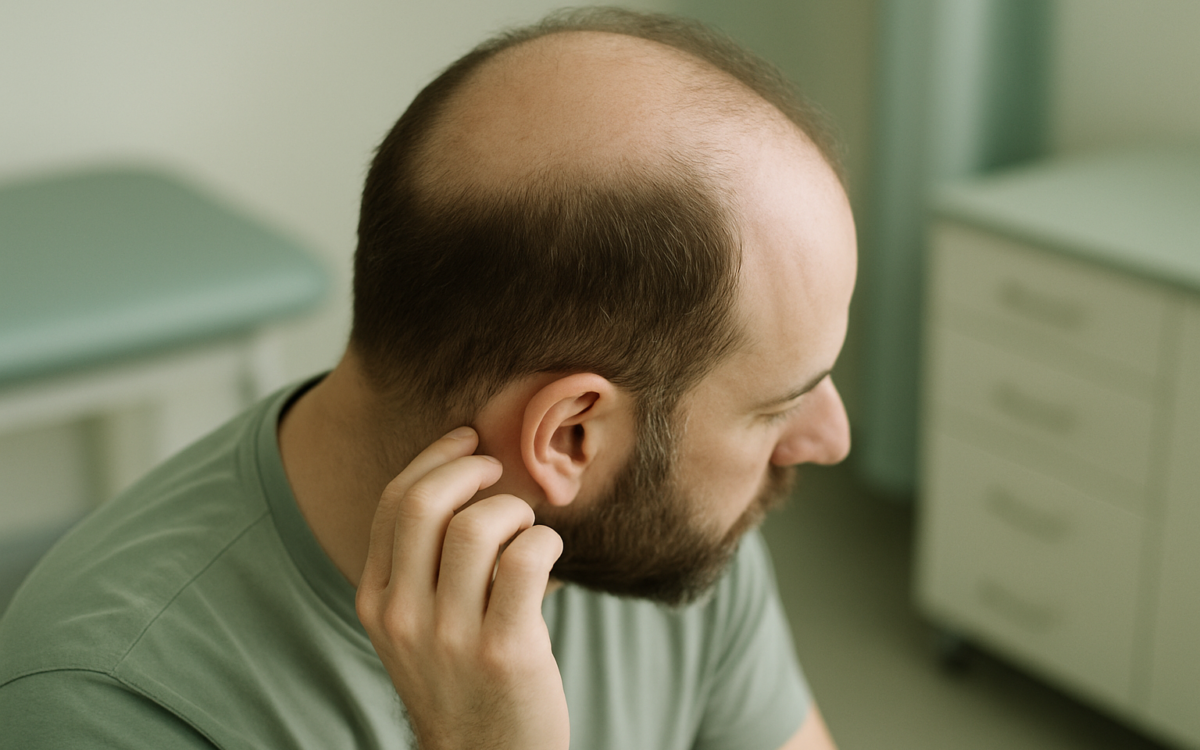
For many men, hair loss can be a tough reality to face. While some see it as a natural part of aging, for others, it feels like losing a part of their identity. Whether you’re experiencing a receding hairline, thinning hair, or bald patches, understanding the reasons behind men’s balding can help you cope. This article delves into the causes, patterns, and options available to manage hair loss effectively.
What Causes Men’s Balding?
Understanding why men experience balding is the first step in addressing the issue. Several factors contribute to hair loss, including genetics, hormonal changes, medical conditions, and lifestyle choices.
Genetics and Heredity
One of the primary causes of men’s balding is genetic predisposition, often referred to as androgenetic alopecia or male pattern baldness. Research suggests that this condition runs in families, meaning if your father or grandfather experienced hair loss, you might be at risk as well. Hormones, specifically dihydrotestosterone (DHT), play a significant role by shrinking hair follicles and shortening the hair growth cycle. For more insights, check NIH.
Age and Hormonal Changes
Age naturally affects hair density, and many men will notice changes as they reach their 30s and 40s. Alongside aging, hormonal changes can trigger hair loss. DHT is a derivative of testosterone and increases in many men as they get older, often leading to thinning hair.
Medical Conditions
Certain medical issues can also cause hair loss. Conditions such as alopecia areata, thyroid disorders, and scalp infections can lead to bald patches or overall thinning. If you suspect a medical condition is causing your hair loss, it’s advisable to consult with a healthcare professional.
Lifestyle and Environmental Factors
Stress, poor diet, and smoking can exacerbate hair loss issues. A diet deficient in essential nutrients like vitamins A, E, and D, as well as biotin and omega fatty acids, may contribute to hair loss. Additionally, stress has been shown to affect overall health, including hair health. Finding ways to manage stress, such as exercise or mindfulness practices, may improve your hair condition.
Common Patterns of Male Balding
Hair loss in men doesn’t occur the same way for everyone. Understanding the common patterns can help you identify what you’re experiencing and explore solutions.
Receding Hairline
This is one of the earliest signs of male pattern baldness, typically starting at the temples and progressing to a more pronounced V-shape. Many men notice this pattern in their late teens or early twenties.
Crown Baldness
In this pattern, hair thins out on the crown of the head while maintaining a fuller hairline at the front. It often begins with small patches of thinning, which can eventually lead to complete baldness in that area.
Diffuse Thinning
In diffuse thinning, hair loss occurs evenly throughout the scalp, resulting in a uniform appearance of thinning. This pattern doesn’t always fit the traditional male pattern baldness criteria but is still common among men.
Options for Addressing Hair Loss
If you’re experiencing men’s balding, know that you have options, ranging from lifestyle changes to medical treatments.
Healthy Lifestyle Choices
Adopting a balanced diet rich in vitamins and nutrients can support hair health. Incorporate foods high in protein, iron, and essential fatty acids. Supplements may also help but should be discussed with your doctor.
Medications
Medications like minoxidil (Rogaine) and finasteride (Propecia) have been shown to help with hair regrowth or slow down hair loss. Minoxidil is applied topically, while finasteride is taken orally. Both medications have varying degrees of effectiveness and side effects, which should be discussed with a healthcare provider.
Hair Transplant Surgery
For those seeking more permanent solutions, hair transplant surgery may be an option. In this procedure, hair follicles from a donor area are relocated to balding areas. It’s important to choose a qualified surgeon and understand the potential risks and benefits.
Wigs and Hairpieces
If you’re not interested in medical treatments, wigs and hairpieces are also a popular solution. Modern options can look surprisingly natural and help individuals regain confidence.
Coping with Hair Loss Emotionally
Coping with men’s balding can come with emotional challenges. Many experience feelings of low self-esteem and anxiety. Here are some strategies to help navigate these feelings:
- Talk about it: Sharing your feelings with friends or family can lighten the emotional load.
- Seek professional help: A counselor can provide strategies to manage anxiety related to hair loss.
- Focus on the positives: Remember that your worth is not defined by your hair. Embrace your unique qualities and strengths.
When to See a Doctor
If you notice an unexpected shedding of hair or bald spots, consider reaching out to a healthcare professional. If hair loss is sudden, results in itching or discomfort, or is accompanied by other symptoms, medical advice can help diagnose any underlying conditions. Consulting a doctor can also provide guidance for treatment options that may be available to you.
Ultimately, understanding the reasons behind men’s balding and exploring available options can empower you to take control of your hair loss journey. Everyone’s experience is unique, and finding the right approach can make a significant difference in how you feel about yourself.
