
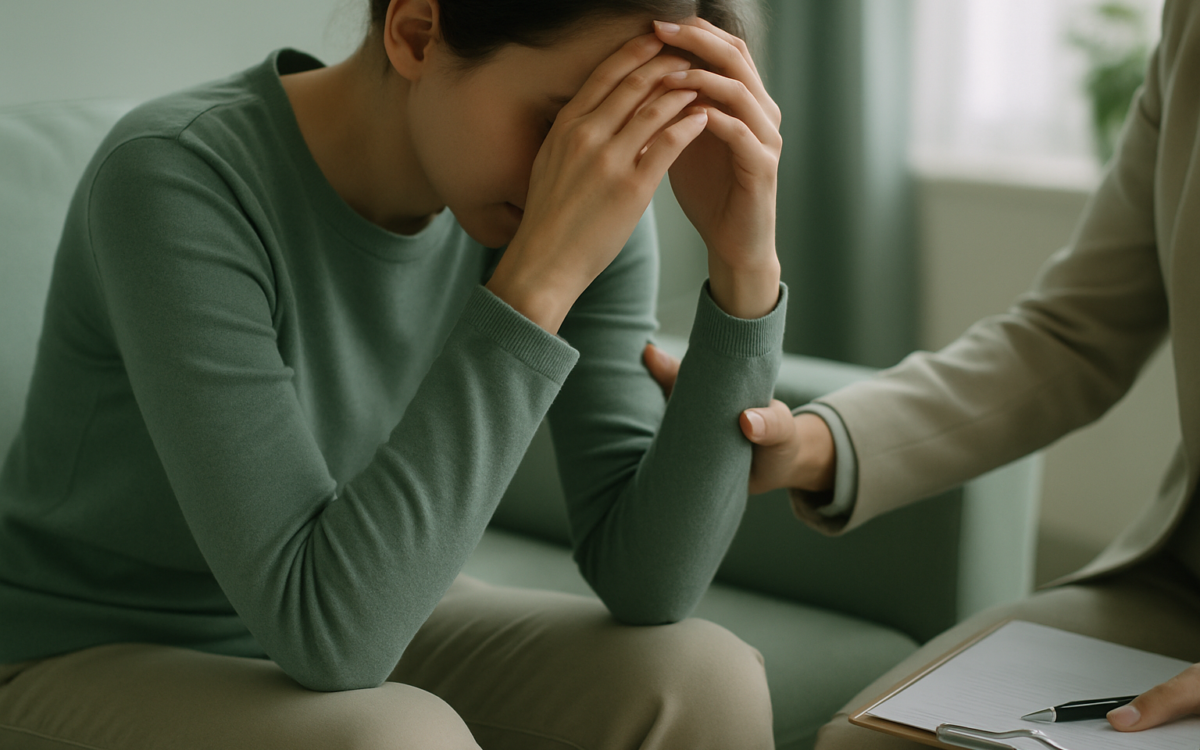
Anxiety is a common experience for many people. Whether you feel nervous about a job interview, overwhelmed by social situations, or anxious for no clear reason, it’s important to recognize that you’re not alone. Everyone deals with anxiety at different points in their lives, and finding effective ways to manage it can lead to a greater sense of calm and control.
Understanding Anxiety
Anxiety is the body’s natural reaction to stress. It can manifest through various symptoms, including increased heart rate, sweating, restlessness, and trouble sleeping. While occasional anxiety can be a normal part of life, chronic anxiety can interfere with daily activities and overall well-being. According to the National Institute of Mental Health, anxiety disorders affect millions of adults in the U.S., making it crucial for individuals to understand and address their feelings.
Identifying Your Triggers
Understanding what triggers your anxiety can be a vital first step in managing it. Triggers might include specific situations like public speaking or flying, certain people, or even overwhelming responsibilities at work. Taking time to identify these triggers allows you to prepare for them and develop coping strategies.
Keeping a Journal
One effective way to identify your anxiety triggers is by keeping a journal. Recording your thoughts and feelings can help you pinpoint when and where your anxiety spikes. Over time, you may recognize patterns that can inform your coping strategies. Documenting your journey not only helps in self-discovery but also provides a great outlet for expression.
Practice Mindfulness and Relaxation Techniques
Mindfulness and relaxation techniques can help you manage anxiety by bringing your focus back to the present moment. Practices such as meditation, deep breathing, and yoga have been shown to reduce anxiety and stress levels.
Breathing Exercises
Deep breathing exercises are simple but effective. Try the 4-7-8 technique: inhale through your nose for a count of four, hold your breath for seven counts, and exhale slowly through your mouth for a count of eight. Practicing this for a few minutes can calm your mind and reduce anxiety symptoms.
Guided Imagery and Meditation
Incorporating guided imagery or meditation into your daily routine can also help. Apps and online resources offer guided sessions that can lead you through mental exercises designed to relieve anxiety. Engaging in these practices regularly can enhance your overall sense of peace.
Exercise for Mental Wellness
Physical activity is a powerful tool in managing anxiety. Regular exercise releases endorphins, which are natural mood lifters. Aim for at least 30 minutes of moderate exercise most days of the week. Whether it’s jogging, biking, or even taking a brisk walk, find an activity you enjoy.
Social Connection and Support
Strong relationships can be a protective factor against anxiety. Surrounding yourself with supportive friends and family can help you feel less isolated. Sharing your feelings and experiences with trusted individuals can lessen the weight of anxiety.
Professional Help
If anxiety becomes overwhelming or persistent, consider seeking professional help. Therapists can offer strategies tailored to your situation, such as Cognitive Behavioral Therapy (CBT), which has been shown to be effective for many people facing anxiety challenges. The Mayo Clinic provides resources to find qualified mental health professionals who can help you navigate your feelings and develop coping strategies.
Building Resilience
Resilience is the ability to bounce back from stress and adversity. You can build resilience by developing problem-solving skills, embracing a positive mindset, and fostering flexible thinking. Recognize that setbacks are a part of life, and cultivate self-compassion during tough times.
Setting Realistic Goals
Start by setting small, manageable goals for yourself. This can help build confidence and reduce the feeling of being overwhelmed. Celebrate your achievements, no matter how small—each step forward is progress.
Food, Sleep, and Self-Care
Your physical health plays a significant role in your anxiety levels. A balanced diet, adequate sleep, and regular self-care are essential components of mental well-being. Eating nutritious foods, staying hydrated, and prioritizing sleep can help your body cope better with stress.
Stay Informed
Staying informed about anxiety and mental health can empower you to make choices that support your well-being. The CDC offers a variety of resources on coping with stress and anxiety, providing useful tips and information to help you navigate these feelings.
When to See a Doctor
If feelings of anxiety persist, worsen, or interfere with your daily life, consider speaking with a healthcare professional. Anxiety disorders can be treated effectively through therapy, medication, or a combination of both. Do not hesitate to reach out for support when needed.
Remember, acknowledging your feelings and seeking help when necessary is a sign of strength. Everyone has their own journey when it comes to dealing with anxiety, and finding the right approach for you is vital. You deserve to find calm in the chaos and reclaim your life.
