
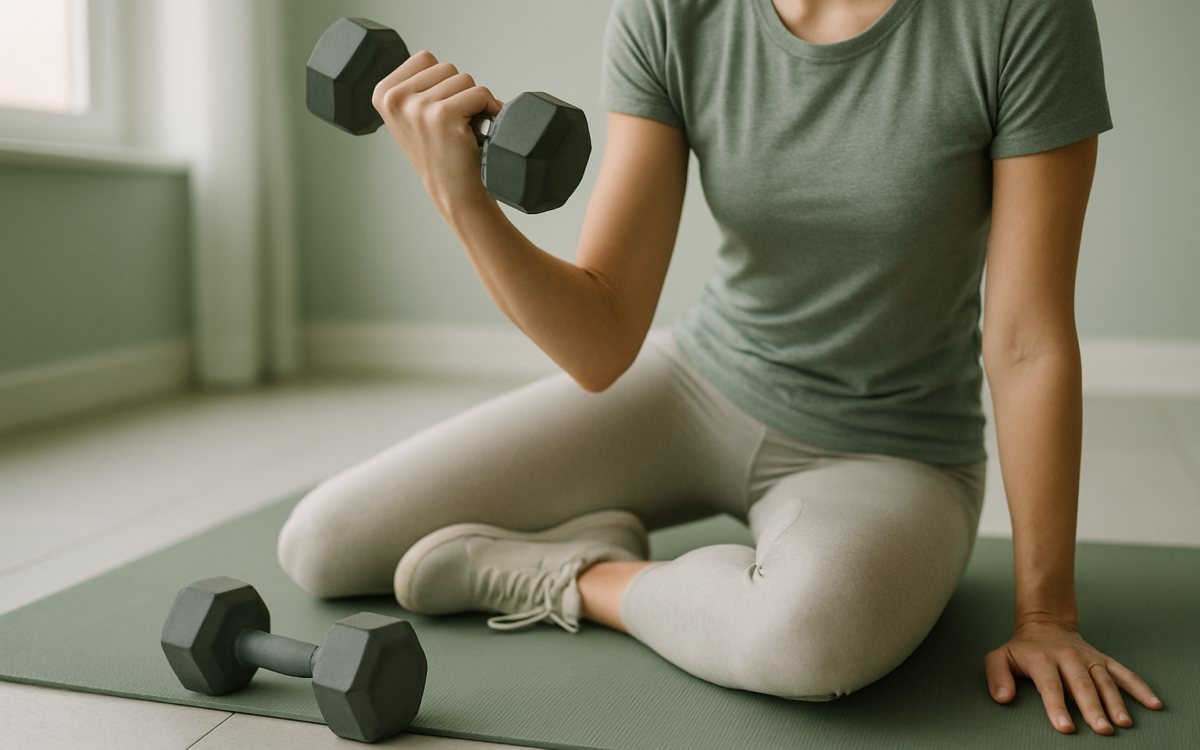
Strength exercise routines play a vital role in enhancing overall health, increasing muscle mass, and improving physical function. Whether you’re a beginner or an experienced lifter, understanding how to craft a program can provide a clear pathway toward achieving your fitness goals. In this guide, we will explore the essential components of a strength exercise routine, how to get started, and tips for maintaining motivation.
Understanding Strength Training
Strength training involves using resistance to induce muscular contraction, which builds strength, anaerobic endurance, and muscle size. As noted by the NIH, engaging in regular strength training can greatly enhance your metabolic rate, leading to more effective weight management.
Aside from aesthetic benefits, strength training has numerous health perks. It increases bone density, supports joint stability, and enhances overall physical performance. It is suitable for almost everyone—even individuals with chronic conditions, provided they gain clearance from a healthcare provider.
Certain Principles of Strength Training
Before diving into your routine, it’s important to understand a few foundational principles:
- Progressive Overload: This principle involves gradually increasing the weight or resistance in your exercises, promoting continuous improvement.
- Specificity: Tailoring your exercises to meet specific goals (like improving your squat or bench press) is essential for steady progress.
- Rest and Recovery: Allowing adequate recovery time between strength training sessions is crucial for muscle repair and growth.
Crafting Your Strength Exercise Routine
A well-rounded strength exercise routine should incorporate different types of exercises targeting various muscle groups. Here’s a simple framework to help you get started:
1. Warm-Up
Always begin with a 5-10 minute warm-up to increase your heart rate and prepare your muscles. This might include light cardio, dynamic stretches, or body-weight exercises.
2. Core Lifts
These exercises are fundamental to any strength routine:
- Squats: Great for lower body strength, working your quadriceps, hamstrings, and glutes.
- Deadlifts: Focused on the posterior chain, it strengthens your back, glutes, and hamstrings.
- Bench Press: Targets the chest, shoulders, and triceps, enhancing upper body strength.
3. Accessory Lifts
Incorporate additional exercises that support your core lifts:
- Dumbbell Rows: Helps develop back muscles.
- Overhead Press: Improves shoulder strength and stability.
- Planks: Enhances core strength, which is crucial for all lifts.
4. Cool Down
Conclude your workout with a cool down lasting 5-10 minutes. Stretching can help alleviate soreness and improve flexibility.
International Perspectives on Strength Training
For those considering treatments or programs related to strength training or fitness abroad, resources such as international patient services provide comprehensive support for individuals seeking to enhance their strength training experience. Access to world-class facilities and expert trainers can be invaluable, especially in a global context.
Staying Motivated
Building a strength exercise routine can be challenging, so staying motivated is key:
- Set Specific Goals: Have clear, achievable goals that you can track over time.
- Find a Workout Buddy: Exercising with a partner can boost motivation and accountability.
- Track Progress: Keeping a workout journal or using apps to monitor your lifts can give you a sense of achievement.
When to See a Doctor
If you experience unusual pain, prolonged fatigue, or injuries while exercising, it’s important to consult a healthcare professional. They can help assess your condition and provide guidance on your exercises. Always seek medical advice if you have any underlying health concerns or if you’re unsure about starting a new strength training program.
By experiencing the benefits of a structured strength exercise routine, you empower yourself to lead a healthier life. Remember that the journey to strength is gradual, and consistency will lead you toward your fitness goals.
