
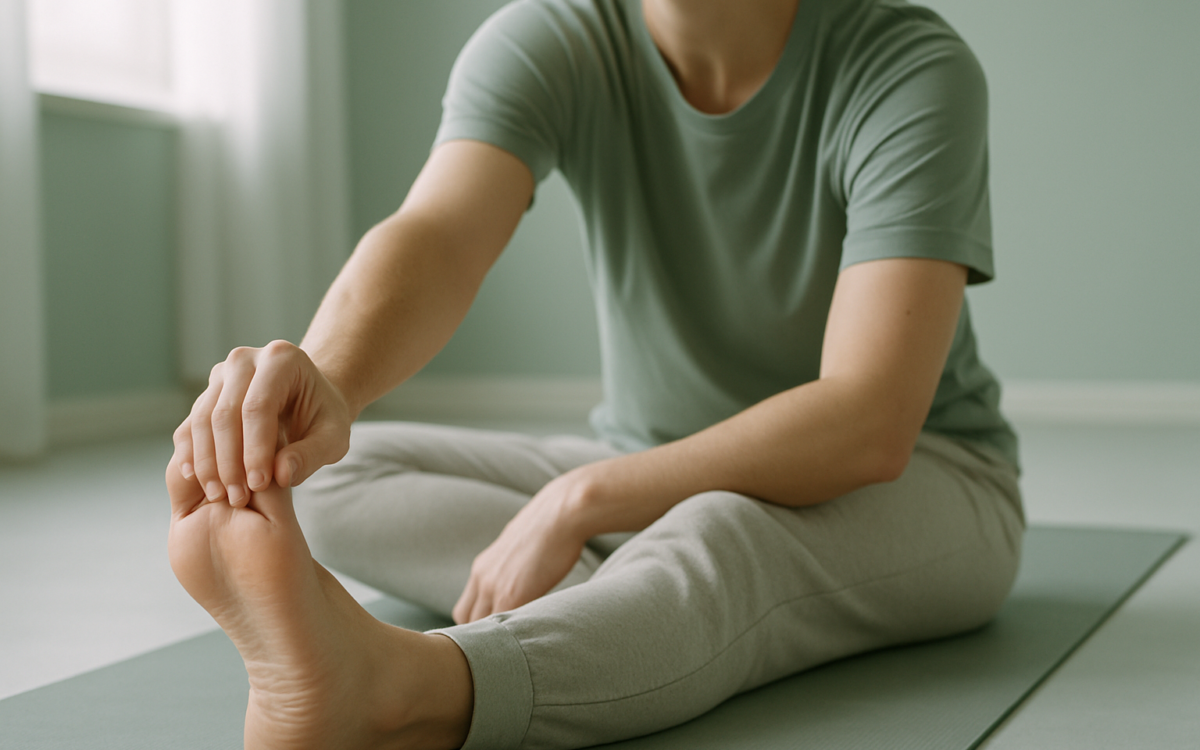
As we age, maintaining flexibility becomes crucial for our overall health. Stretching isn’t just key for athletes; it’s an important practice for everyone, especially adults looking to enhance their physical abilities and well-being. Understanding the benefits of stretching, along with appropriate techniques, can help you stay agile and reduce the risk of injury.
The Importance of Stretching for Adults
Stretching is essential for everyone, not just fitness enthusiasts. Regular stretching helps maintain flexibility, which tends to decline as we age. Poor flexibility can lead to muscle stiffness, decreased range of motion, and an increased risk of injury. According to the National Institutes of Health, flexibility plays a key role in physical performance and in maintaining a healthy body.
Benefits of Stretching
Stretching offers numerous benefits that go beyond just promoting flexibility. Here are some of the ways that incorporate stretching into your routine can improve your life:
- Increased Flexibility: Regular stretching enhances your body’s range of motion, making everyday activities easier.
- Pain Relief: Stretching can alleviate tension and reduce pain in muscles and joints. The Cleveland Clinic emphasizes that stretching can improve blood flow to muscles, which can ease discomfort.
- Stress Relief: Engaging in stretching exercises can help calm your mind and reduce overall stress levels.
- Improved Posture: Regularly stretching can help counteract the effects of poor posture, especially for those who sit for extended periods.
- Enhanced Athletic Performance: For those who exercise, stretching can improve performance by preparing muscles and joints for activity.
Types of Stretching
There are several methods of stretching, each with unique characteristics and benefits. Understanding these can help you choose the best approach for your goals:
Static Stretching
Static stretching involves holding a stretch for a designated period, usually between 15 to 60 seconds. It’s effective in improving flexibility and is best performed after workouts to cool down.
Dynamic Stretching
This type of stretching uses controlled movements to improve flexibility and range of motion. Examples include leg swings or arm circles. It’s ideal as part of a warm-up routine before physical activity.
PNF Stretching
Proprioceptive Neuromuscular Facilitation (PNF) incorporates both stretching and contracting of the targeted muscle group. This technique can be particularly effective for increasing flexibility and is often performed with a partner.
Stretching Techniques for Different Muscle Groups
To maximize the benefits of stretching, it’s useful to target different muscle groups. Here are some general techniques:
Upper Body Stretches
To stretch your arms and shoulders, try the cross-body shoulder stretch: bring one arm across your body and hold it with the opposite arm, gently pulling it closer to your chest.
Lower Body Stretches
For the legs, consider a standing quadriceps stretch: while standing, hold one ankle behind you and pull it toward your glutes. Hold for 15-30 seconds and switch sides.
Back Stretches
The cat-cow stretch can benefit your spine. Start on your hands and knees, arch your back up (cat) and then let it sag down while lifting your head and tailbone (cow).
Tips for Effective Stretching
To make the most of your stretching routine, consider the following tips:
- Warm Up First: It’s always best to warm up your muscles with light aerobic activity before stretching.
- Stay Hydrated: Drinking water helps maintain muscle elasticity, so ensure adequate hydration before and after stretching.
- Be Consistent: Aim to include stretching in your routine at least two to three times a week for the best results.
- Listen to Your Body: Never push your body beyond its limits. Stretch to a point of mild discomfort, not pain.
- Set Specific Goals: Whether it’s improving your posture or enhancing athletic performance, having clear goals can help motivate you.
When to See a Doctor
If you experience persistent pain, discomfort, or a significant reduction in flexibility, it may be time to consult a healthcare professional. Conditions affecting mobility or chronic pain can often be addressed more effectively with professional guidance. Additionally, before starting a new stretching or exercise regimen, it’s wise to discuss your plans with your doctor, especially if you have existing health issues.
Conclusion
Integrating stretching into your routine as an adult can yield significant benefits for your flexibility, overall health, and emotional well-being. By understanding the different types of stretches and adhering to best practices, you can create a beneficial stretching regimen. Remember, a little stretching each day can lead to a significantly healthier life!
