
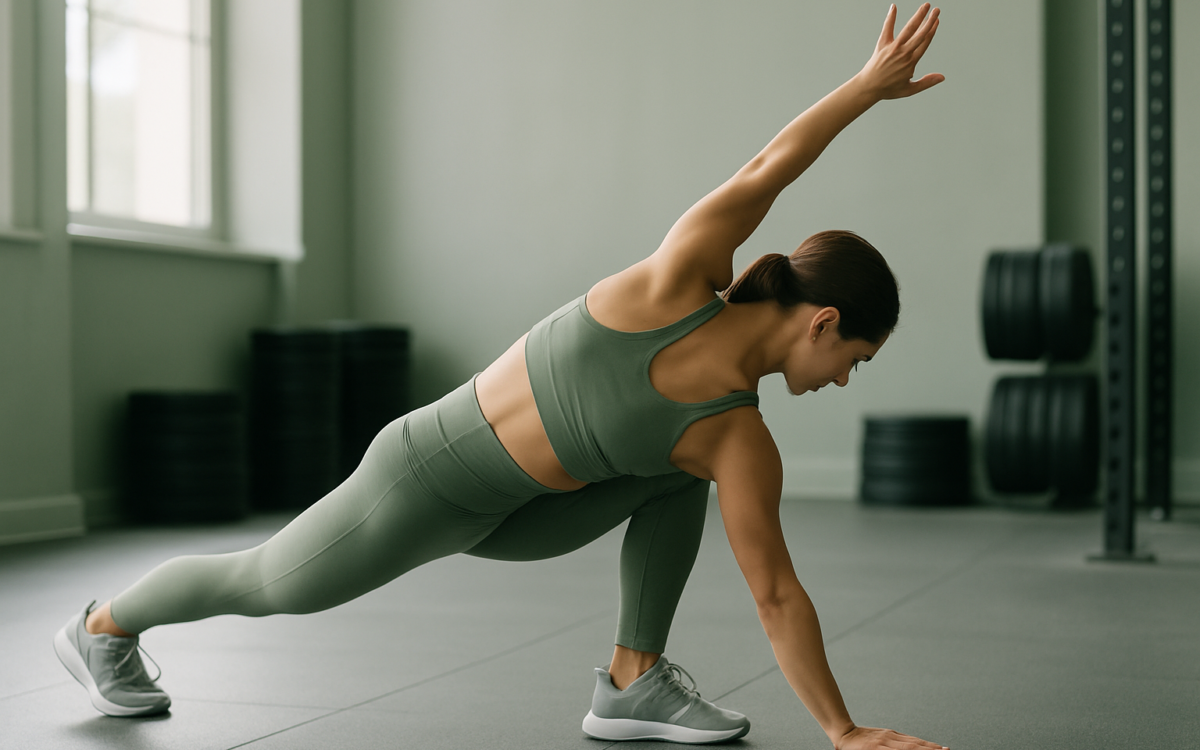
Dynamic stretching is key to preparing our bodies for exercise. Unlike static stretching, which involves holding a stretch, dynamic stretching keeps you moving. This type of stretching not only helps improve flexibility but also increases blood flow to your muscles. In the gym, it can enhance your performance and reduce the risk of injuries.
What is Dynamic Stretching?
Dynamic stretching involves moving parts of your body through their full range of motion. It’s an active warm-up that gets your muscles and joints ready for the workout ahead. Some studies show that it can be more effective than static stretching in preparing your body for physical activity. According to the National Institutes of Health, dynamic stretches can improve muscle performance, increase flexibility, and enhance overall athletic performance.
Benefits of Dynamic Stretching
Incorporating dynamic stretching into your gym routine offers numerous benefits:
- Increased Blood Flow: Dynamic stretches elevate your heart rate and increase blood flow to your muscles.
- Improved Flexibility: Engaging in dynamic movements can make your muscles more flexible and responsive.
- Enhanced Performance: Preparing your muscles with dynamic stretches can improve your strength and agility during workouts.
- Reduced Injury Risk: Warming up through dynamic stretches may lower the chances of strains and sprains.
Dynamic Stretching Exercises to Try
Here are some effective dynamic stretching exercises that you can include in your gym warm-up:
1. Leg Swings
Stand next to a wall or support for balance. Swing one leg forward and backward in a controlled manner while keeping your upper body fixed. Do 10-15 swings on each leg.
2. Arm Circles
Lift both arms out to the sides and make small circles. Gradually increase the size of the circles. Do this for 30 seconds in one direction, then switch to the other.
3. Walking Lunges
Step forward into a lunge position, ensuring your knee doesn’t extend beyond your toes. Alternate legs as you walk forward for 10-12 lunges.
4. High Knees
Jog in place while lifting your knees as high as possible. Aim for 30 seconds, focusing on driving your knees up and maintaining a quick pace.
5. Butt Kicks
While jogging in place, try to kick your heels towards your glutes. Maintain a steady pace for 30 seconds.
Creating Your Dynamic Stretching Routine
To maximize the benefits of dynamic stretching, create a personalized routine. Here’s how:
- Duration: Spend 5-10 minutes on dynamic stretching before your workout.
- Repetitions: Aim for 10-15 repetitions for each exercise.
- Variety: Include a mix of upper and lower body stretches to engage different muscle groups.
When to Combine Dynamic Stretching with Strength Training
Combining dynamic stretching with your strength training program can yield fantastic results. Research has shown that dynamic warm-ups enhance muscle performance during weight lifting or resistance training. You might want to try dynamic stretching on days when you focus on:
- Weightlifting
- Body weight exercises
- High-intensity workouts
Dynamic Stretching for Specific Sports
Certain sports require specialized warm-ups. Here’s how to tailor your dynamic stretches according to your sport:
1. Running
Incorporate exercises like high knees and leg swings to prepare your lower body.
2. Cycling
Focus on hip openers and quadricep stretches to prepare your legs for pedaling.
3. Team Sports (like soccer or basketball)
Utilize lateral lunges and carioca drills to warm up your legs and improve agility.
When to See a Doctor
Before starting any new exercise regime, it’s a good idea to consult a healthcare professional, especially if you have pre-existing conditions or injuries. Some signs that warrant a doctor’s visit include:
- Persistent pain during stretching or exercise
- Swelling or bruising
- Dizziness or shortness of breath during physical activity
Conclusion
Dynamic stretching is an essential component of effective workout preparation. By incorporating these techniques into your warm-up routine, you can enhance your performance, boost flexibility, and reduce the risk of injuries. Remember, a well-warmed-up body not only feels better but performs better, too.
