
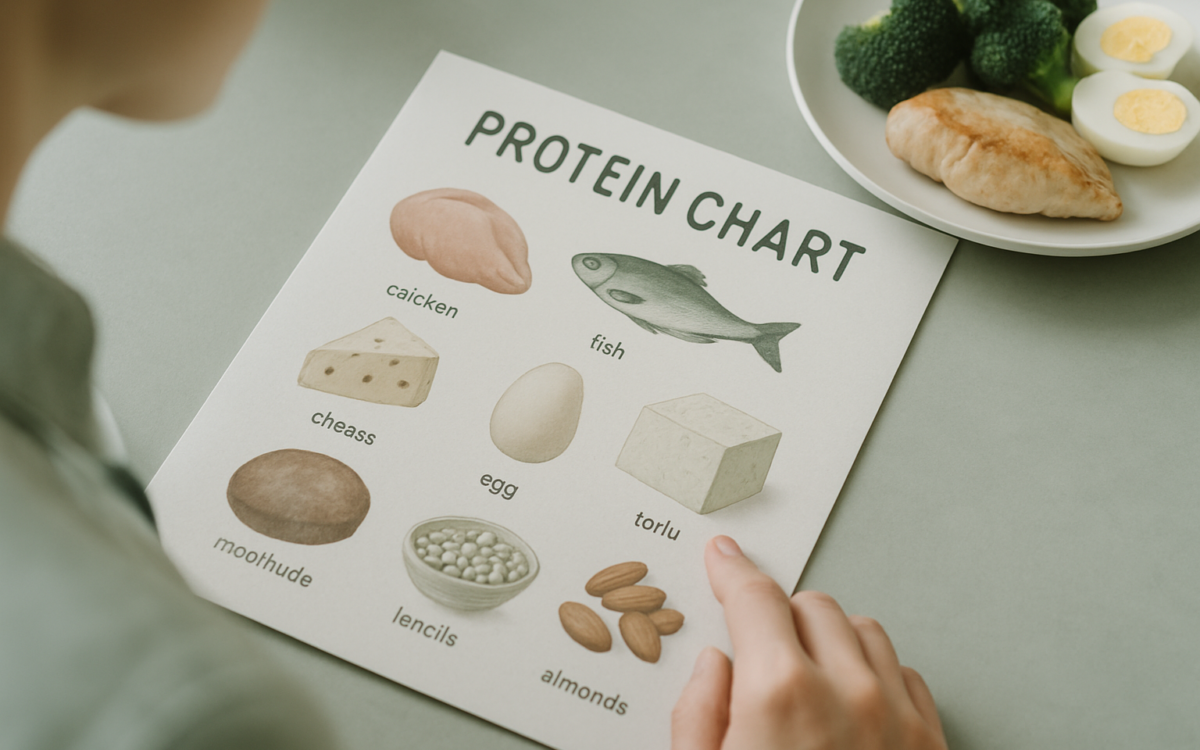
Protein is an essential nutrient that plays a key role in maintaining good health. It helps build and repair tissues, makes up enzymes and hormones, and supports immune function. Because our bodies do not store protein the way they do fats and carbohydrates, getting an adequate amount each day is crucial. Understanding the various protein sources and their respective amounts can empower you to make informed dietary choices. This article will provide you with a comprehensive protein chart and help you learn more about incorporating protein into your meals.
What is Protein and Why Do We Need It?
Proteins are made up of amino acids, which are often termed the building blocks of the body. There are twenty different amino acids, nine of which are essential. This means our bodies cannot produce them, and we need to obtain them from our diet. Protein is vital for numerous bodily functions, including:
- Muscle development and repair
- Production of enzymes and hormones
- Supporting immune health
- Transporting nutrients
- Maintaining skin and hair health
Getting the right amount of protein can enhance overall health, energy levels, and recovery from illnesses or injuries.
Recommended Daily Protein Intake
The recommended daily intake of protein can vary based on age, sex, and physical activity levels. The average adult should aim for about 46 grams of protein per day for women and 56 grams for men. However, athletes and those engaging in intense physical activity may require more. A general guideline is:
- Sedentary adults: 0.8 grams per kilogram of body weight
- Active adults: 1.2 to 2.0 grams per kilogram, depending on activity level
For a detailed look at how protein needs can vary, you can visit the National Institutes of Health.
Protein Sources and Their Benefits
There are two main categories of protein: animal-based and plant-based. Each source has its benefits:
Animal-Based Proteins
- Meat: Lean meats such as chicken, turkey, and beef offer high levels of protein and essential nutrients like iron and vitamin B12.
- Fish: Fish, particularly fatty types like salmon and mackerel, not only are protein-rich but also provide omega-3 fatty acids, which benefit heart health.
- Dairy: Milk, yogurt, and cheese are excellent sources of protein and calcium.
Plant-Based Proteins
- Legumes: Beans, lentils, and peas are rich in protein and fiber, making them a fantastic choice for vegetarians and vegans.
- Nuts and seeds: Almonds, chia seeds, and hemp seeds offer protein along with healthy fats, making them a nutritious snack.
- Whole grains: Quinoa, brown rice, and oats contain varying amounts of protein and are great for energy.
While both animal and plant proteins are beneficial, choosing a mix can provide a well-rounded intake of nutrients. You may also find international treatment options and dietary advice helpful for a diverse protein intake at acibademinternational.com.
How to Use the Protein Chart
A protein chart is a handy tool that lists common foods and their protein content. This can help you estimate how much protein you consume daily. Here’s a simple protein chart featuring popular food items:
| Food Item | Protein (grams per serving) |
|---|---|
| Chicken breast (cooked, 3 oz) | 26 |
| Tofu (firm, 1/2 cup) | 20 |
| Lentils (cooked, 1 cup) | 18 |
| Greek yogurt (plain, 1 cup) | 23 |
| Egg (large) | 6 |
| Quinoa (cooked, 1 cup) | 8 |
When planning your meals, consider how you can combine foods to reach your protein goals. For instance, adding beans to a salad or having eggs with toast can help enhance your protein intake easily.
Soy and Other Alternative Proteins
As the trend towards plant-based diets grows, soy products like tempeh and edamame have gained popularity as complete proteins. Unlike many plant foods, soy contains all the essential amino acids your body needs. Other alternatives such as pea protein powder are becoming more common in protein shakes and bars. These can be effective substitutes for those with dietary restrictions.
Considering international varieties of protein sources is also important. For example, many Asian cuisines utilize tofu and tempeh as staple protein sources, while Mediterranean diets emphasize legumes and fish. Exploring diverse dietary options can lead to a more balanced nutritional profile.
When to See a Doctor
If you have specific dietary concerns or experience symptoms like fatigue, muscle weakness, or hair loss, it may be time to consult your healthcare provider. They can assess your nutritional status, suggest dietary adjustments, or determine if further testing is necessary.
Understanding your protein needs and sources is crucial for maintaining good health. Using a protein chart and being mindful of how you incorporate protein into your diet can help you meet your health goals effectively.
