
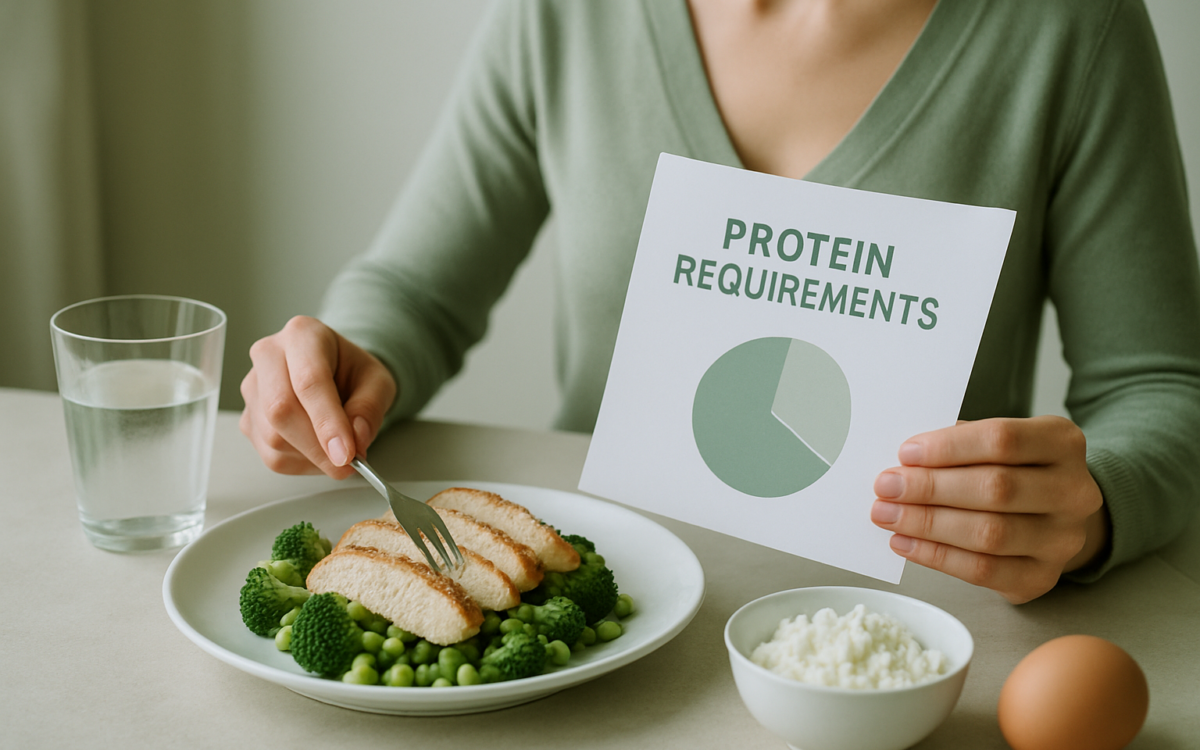
Protein is an essential nutrient that contributes to numerous functions in our bodies, including building and repairing tissues, making hormones and enzymes, and supporting immune function. For women, understanding protein requirements is crucial for maintaining overall health, particularly during different life stages such as pregnancy, lactation, and aging. This article delves into the recommended protein intake for women, the benefits of protein-rich foods, and practical ways to meet these needs.
Why Protein is Important for Women
Protein plays a vital role in maintaining muscle mass and strength, which can decline with age. Additionally, adequate protein intake supports metabolic functions and can aid in weight management. For women, especially those who are active, pregnant, or nursing, protein is even more critical. It helps provide energy and nutrients for both mother and child.
Recommended Protein Intake for Women
The recommended dietary allowance (RDA) for protein varies based on age, activity level, and life stage. According to the National Institutes of Health, the general guideline for adult women is:
- 46 grams per day for women aged 19-70
- 55 grams during pregnancy
- 65 grams while breastfeeding
It’s essential to note that individual needs can vary. For instance, women who are more physically active may need more protein to support muscle repair and recovery.
How to Calculate Your Protein Needs
To determine your specific protein needs, you can multiply your weight in kilograms by the appropriate protein factor. The general recommendation is:
- 0.8 grams of protein per kilogram of body weight for sedentary women
- 1.2 to 2.0 grams per kilogram for active women
For example, if you weigh 68 kilograms (about 150 pounds) and are moderately active, you might need between 82 and 136 grams of protein per day.
Sources of Protein for Women
Protein can be found in both animal and plant sources. It’s important for women to incorporate a variety of protein-rich foods into their diets to meet their nutritional needs fully. Here are some excellent sources of protein:
Animal-Based Sources
- Chicken and turkey
- Fish and seafood
- Eggs
- Dairy products like milk, yogurt, and cheese
Plant-Based Sources
- Legumes such as beans and lentils
- Nuts and seeds
- Tofu and tempeh
- Whole grains like quinoa and barley
By mixing and matching these sources, you can easily fulfill your protein requirements while enjoying a diverse and satisfying diet.
Protein Quality: Complete vs. Incomplete Proteins
Not all proteins are created equal. Proteins are made up of amino acids, nine of which are essential and must come from our diet. Foods containing all nine essential amino acids are termed complete proteins, while those lacking one or more are called incomplete proteins.
Animal-based proteins are typically complete, while many plant-based proteins are incomplete. However, you can combine different plant sources to create complete proteins, such as:
- Rice and beans
- Peanut butter on whole-grain bread
Understanding protein quality can help you make better choices for your diet.
Protein Supplements: Do You Need Them?
While most women can meet their protein needs through whole foods, some may consider protein supplements, especially those who are athletes or have specific dietary restrictions. Protein powders and bars can be convenient options but should not replace whole food sources of protein.
Before starting any supplement, it’s best to consult a healthcare professional. The Mayo Clinic suggests focusing on whole foods for the best nutritional outcomes.
Monitoring Your Protein Intake
Keeping track of your protein consumption can provide insight into your eating habits and help you adjust as necessary. You might consider using food diary apps or nutrition calculators to evaluate how much protein you’re getting from your diet.
If you’re not sure about whether you’re meeting your protein needs, consider consulting with a registered dietitian. They can help tailor a nutrition plan that’s right for you.
When to See a Doctor
If you have concerns about your protein intake, are experiencing fatigue, muscle weakness, or other health issues, it’s important to consult your healthcare provider. They can offer personalized advice and address any underlying health conditions.
Conclusion
Understanding protein requirements for women is crucial for maintaining good health and well-being. By incorporating a variety of protein-rich foods into your diet, you can easily meet your nutritional needs. Remember, each woman’s body is unique, and adjustments may be necessary based on individual circumstances. Always consider consulting with a healthcare professional for guidance tailored to your needs.
