
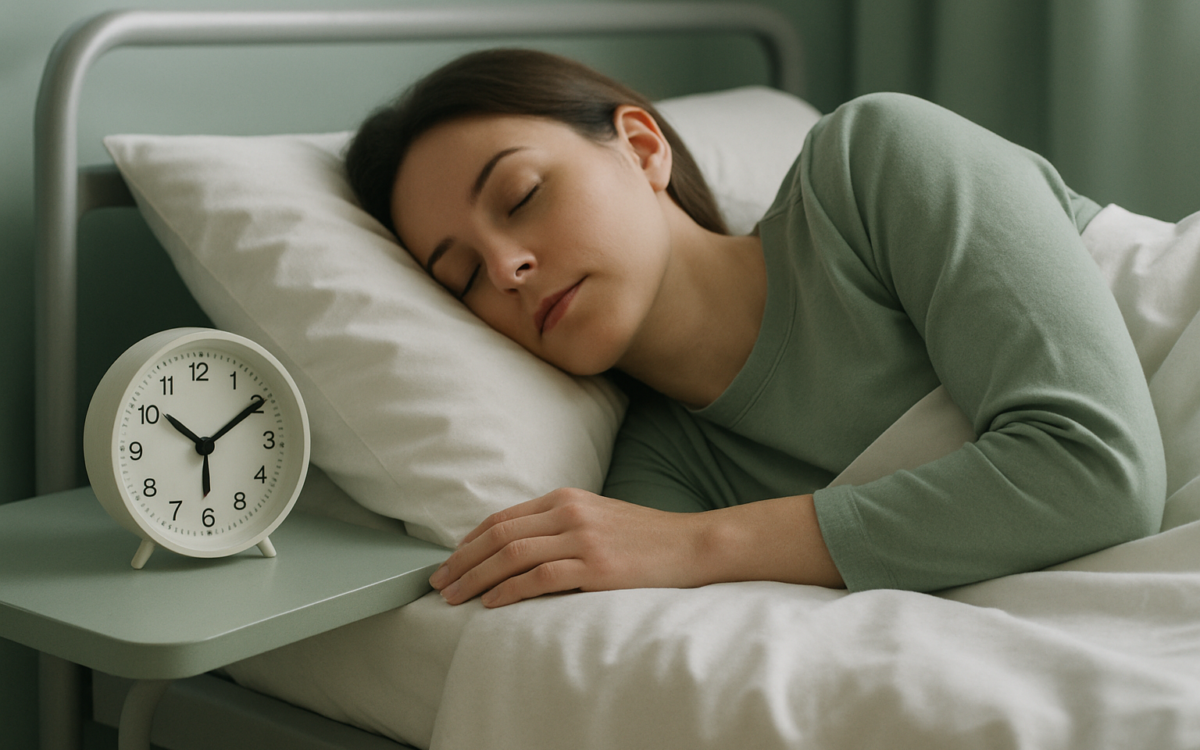
In today’s fast-paced world, many people find themselves sacrificing sleep to meet various personal and professional demands. While some may proudly proclaim they thrive on just six hours of sleep a night, it’s vital to understand the actual impact of this sleep duration on health and well-being. In this article, we explore the effects of getting six hours of sleep, how it compares to recommended sleep guidelines, and tips for optimizing your rest.
Understanding Sleep Needs
The Centers for Disease Control and Prevention (CDC) recommends that adults aim for at least seven hours of sleep each night. However, many individuals may feel that they can function well on just six. It’s essential to recognize that the quality of sleep often matters as much as the quantity. While some people might adapt to a shorter sleep schedule, research suggests that consistently getting less than the recommended amount can lead to various health issues.
Cognitive Performance and Sleep
Studies have shown that sleep deprivation can significantly impair cognitive functions, including memory, attention, and decision-making. A review published in the National Institutes of Health journal highlighted that individuals sleeping only six hours are more likely to experience difficulties in concentration and increased error rates in tasks compared to those getting the recommended amount of sleep.
The Cognitive Effects of Less Sleep
- Short-term Memory: Lack of sufficient sleep may hinder the brain’s ability to form new memories.
- Attention Span: Sleep deprivation can reduce your ability to focus for prolonged periods.
- Problem-solving Skills: You may find it harder to think critically or solve problems efficiently.
The Impact on Physical Health
Getting only six hours of sleep on a regular basis can affect not just your mind but also your body. Chronic sleep deprivation has been linked to various health concerns, including obesity, diabetes, heart disease, and weakened immune function. The World Health Organization (WHO) indicates that insufficient sleep can contribute to an increased risk of developing chronic conditions.
Research Findings
A study published in the CDC journal revealed that adults sleeping six hours or less were significantly more likely to report health problems compared to those who met the sleep recommendations. This underscores the importance of making sleep a priority for overall health.
Emotional and Mental Health Effects
Sleep and mental health are closely connected. A lack of sleep can exacerbate feelings of anxiety and depression. According to the Mayo Clinic, sleep is crucial for emotional regulation, and insufficient rest can trigger mood swings and irritability. Furthermore, chronic sleep deprivation may increase susceptibility to mental health disorders.
Signs of Sleep Deprivation
- Increased Anxiety: You might notice heightened feelings of worry or stress.
- Low Mood: Persistent tiredness can lead to feelings of sadness or hopelessness.
- Social Withdrawal: Decreased interest in social activities may occur due to fatigue.
Improving Sleep Quality
If you’re currently sleeping only six hours a night and struggling with tiredness or other symptoms, there are ways to improve the quality of your sleep. Here are some tips:
- Create a Sleep Schedule: Go to bed and wake up at the same time every day to regulate your body’s internal clock.
- Develop a Relaxing Bedtime Routine: Engage in calming activities before bed, such as reading or meditating, to signal to your body that it’s time to wind down.
- Create a Comfortable Sleep Environment: Ensure that your bedroom is dark, quiet, and cool, which can help you drift off more easily.
- Limit Screen Time Before Bed: Reduce exposure to screens as the blue light emitted can interfere with the production of the sleep hormone melatonin.
When to See a Doctor
If you regularly sleep six hours or less and experience persistent fatigue, mood changes, or cognitive difficulties, it may be time to consult a healthcare professional. They can help identify underlying issues and provide guidance tailored to your needs.
Conclusion
If you’re currently getting only six hours of sleep, it’s essential to recognize the potential ramifications on your health and well-being. While some may cope with this sleep duration, it’s generally advisable to aim for more to support cognitive, physical, and emotional health. Making sleep a priority can be a step towards a healthier, more fulfilling life.
