
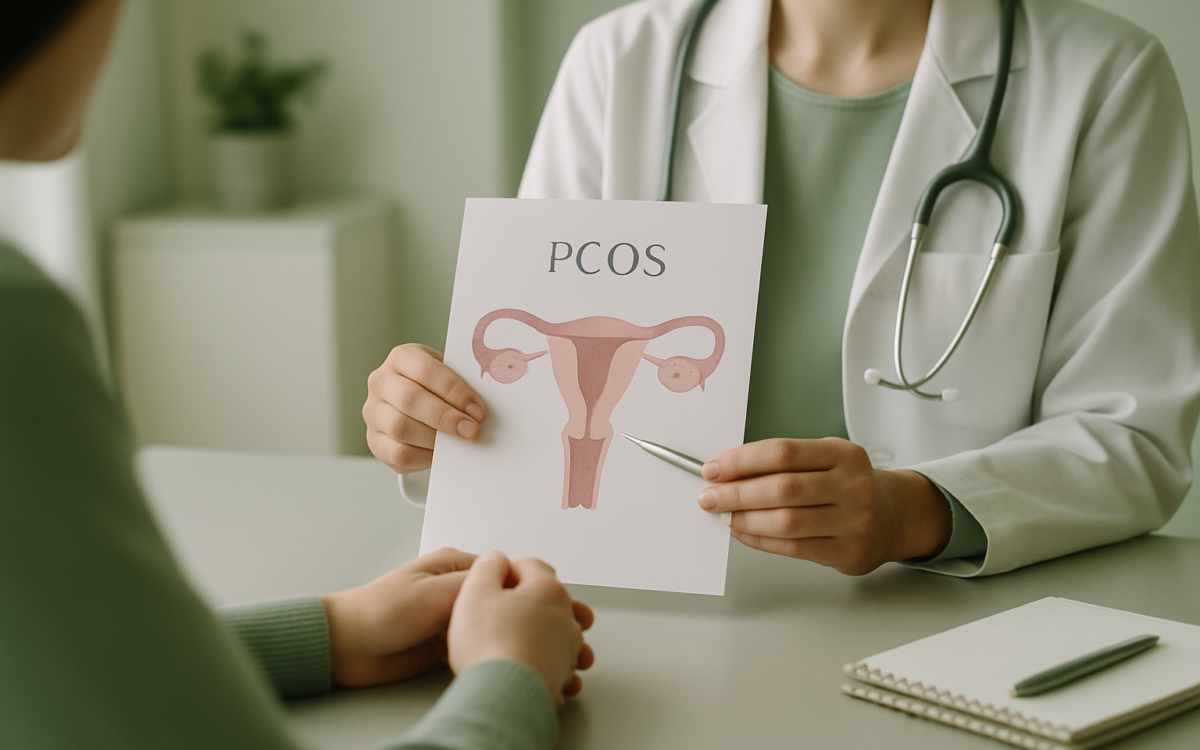
Polycystic Ovary Syndrome (PCOS) is a complex hormonal disorder affecting many women worldwide. Those who suffer from it often experience a variety of symptoms, including irregular periods, weight gain, acne, and fertility issues. Finding specialists who understand the condition can be a vital step toward managing these symptoms effectively.
What Is PCOS?
PCOS is an endocrine disorder characterized by hormonal imbalances that can affect numerous aspects of a woman’s health. According to the National Institutes of Health (NIH), it affects approximately 5-10% of women of reproductive age. Besides hormonal issues, PCOS can lead to metabolic concerns, increasing the risk of type 2 diabetes and heart disease.
Types of Specialists for PCOS
When looking for PCOS specialists, consider the type of healthcare providers who can offer a range of treatments and insights tailored to your specific needs:
- Endocrinologists: These specialists focus on hormone-related issues and can help manage the hormonal imbalances associated with PCOS.
- Gynecologists: They can guide you through reproductive health and hormone therapies, often providing guidance on fertility treatments.
- Registered Dietitians: Nutrition plays a crucial role in managing PCOS symptoms. Dietitians can create customized meal plans to help you achieve a healthy weight and balance blood sugar levels.
How to Choose the Right Specialist
Finding the right PCOS specialist involves more than just credentials; it’s about matching their expertise with your needs. Here are a few factors to consider:
1. Experience and Specialization
Look for specialists who have experience specifically treating PCOS. This knowledge can make a significant difference in the treatment journey.
2. Communication Style
Your comfort in discussing symptoms and concerns is crucial. Choose a doctor who listens and explains things in a way that you understand.
3. Treatment Approach
Different specialists may recommend various treatment plans, including lifestyle changes, medications, or fertility options. Be open to discussing these approaches and ask about their success rates.
International Perspectives on PCOS Treatment
Access to specialized healthcare can vary significantly by location. Some women choose to seek treatment abroad for better options or a different approach to their PCOS management. This can involve visiting countries known for cutting-edge medical practices or specialized programs. For instance, physicians associated with acibademinternational.com may offer comprehensive care plans that incorporate the latest research and treatments.
Benefits of a Multidisciplinary Approach
Managing PCOS effectively may be best achieved through a multidisciplinary approach. Combining the expertise of different specialists allows for a well-rounded treatment plan. For instance, while endocrinologists address hormone imbalances, dietitians can help optimize nutrition, which is especially important for weight management and insulin sensitivity. Working together, these providers can make a significant positive impact on your overall health.
Challenges in Finding the Right Care
Despite the increased awareness of PCOS, many women still face challenges when seeking help. Misdiagnosis, lack of understanding from primary care providers, and limited specialist availability can create hurdles. Educating yourself can empower you to advocate for your health. Resources like the World Health Organization (WHO) and various support groups can provide valuable information and a community of others who understand your situation.
When to See a Doctor
If you suspect you have PCOS or if you have already been diagnosed but are struggling with symptoms, it’s essential to consult a healthcare professional. Signs that indicate the need to see a specialist include:
- Irregular or absent menstrual cycles
- Severe acne or skin changes
- Unexplained weight gain
- Difficulty getting pregnant
- Excessive hair growth in unusual areas
Conclusion
Finding the right PCOS specialist is an essential step toward effective management and improved quality of life. By understanding your options and considering your specific needs, you can make an informed choice. Remember that treatment is often multi-faceted, and working with a team of healthcare providers can bring you closer to your health goals.
