
The heart is an incredible organ, tirelessly pumping blood throughout our bodies, delivering oxygen and nutrients to every cell. But what powers this remarkable mechanism? The answer lies in the specialized tissue known as cardiac muscle tissue. This unique type of muscle is essential for keeping our hearts functioning properly. In this article, we’ll delve into the characteristics, functions, and importance of cardiac muscle tissue, giving you a deeper understanding of your heart’s mechanics.
What is Cardiac Muscle Tissue?
Cardiac muscle tissue, or myocardium, is one of the three main types of muscle tissue in the human body, along with skeletal and smooth muscle. Unlike skeletal muscle, which we can consciously control, and smooth muscle, which lines our organs (like the intestines), cardiac muscle operates involuntarily. This means it works automatically and continuously, without us needing to think about it.
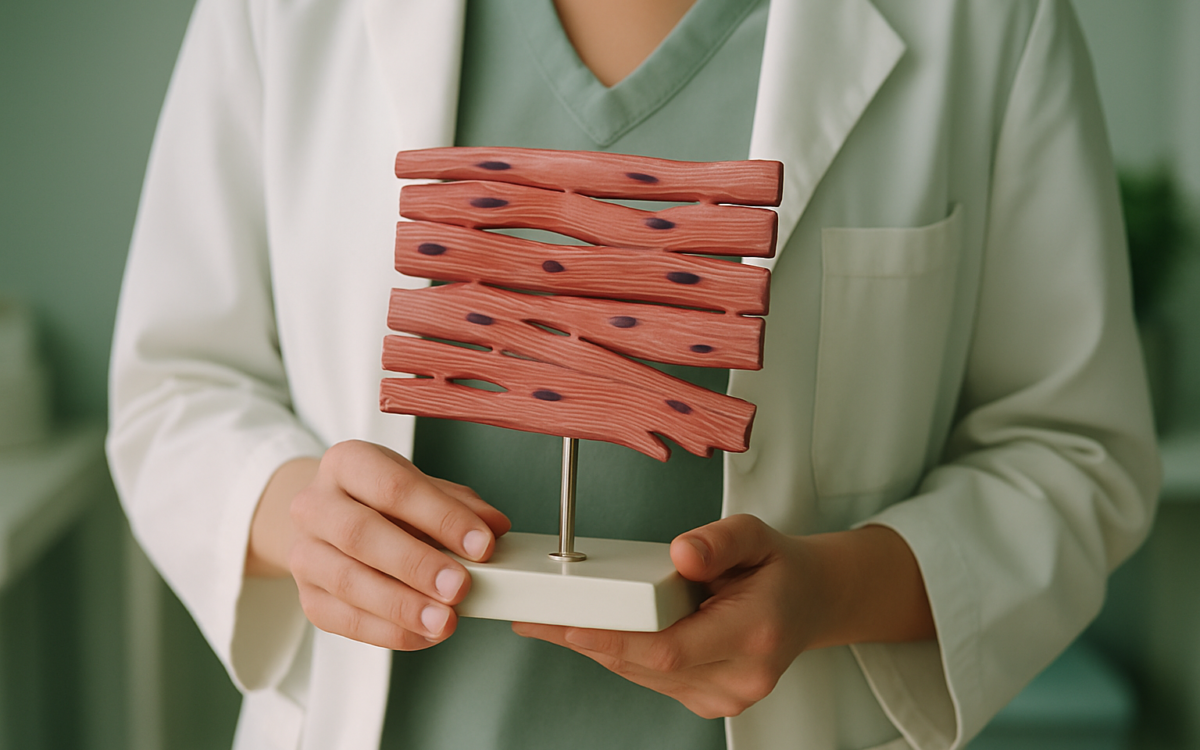
Cardiac muscle tissue is unique in several ways. Its cells are striated, somewhat resembling skeletal muscle, but they are shorter and branch out, connecting to each other. This structure allows the heart to function as a coordinated unit, with all the muscle cells working together efficiently. Moreover, cardiac muscle cells possess special connections called intercalated discs, which facilitate communication between cells, ensuring synchronized contractions.
The Role of Cardiac Muscle Tissue in Heart Function
Cardiac muscle tissue plays a crucial role in the heart’s ability to pump blood. Here’s how it works:
- Contraction and Relaxation: Cardiac muscle tissue contracts and relaxes rhythmically. This cycle pushes blood out of the heart and into the arteries, supplying the body with the oxygen-rich blood it needs. When the heart relaxes, it fills up with blood again in preparation for the next contraction.
- Automaticity: One remarkable feature of cardiac muscle cells is their ability to generate electrical impulses. This property allows the heart to beat independently of nervous system input, making it vital for maintaining a consistent heart rate.
- Adaptation to Demand: Cardiac muscle tissue can adjust its strength and rate of contraction based on the body’s needs. For example, during exercise, the heart pumps faster and harder to supply more oxygen to the muscles.
Cardiac Muscle Tissue and Cardiovascular Health
Maintaining the health of cardiac muscle tissue is essential for overall cardiovascular health. Several factors influence the condition of this tissue:
1. Nutrition
A balanced diet rich in fruits, vegetables, whole grains, lean proteins, and healthy fats can support heart health. Nutrients like potassium, magnesium, and omega-3 fatty acids are essential for proper heart function. Foods high in saturated fats, sugar, and cholesterol can negatively impact cardiac muscle tissue over time, leading to possible conditions like atherosclerosis.
2. Physical Activity
Regular exercise strengthens not only skeletal muscles but also cardiac muscle tissue. Activities like walking, jogging, cycling, and swimming can help improve cardiovascular fitness. Exercise increases blood flow to the heart, improves its efficiency, and can even stimulate the growth of new blood vessels.
3. Avoiding Harmful Substances
Substances like tobacco and excessive alcohol can cause damage to cardiac muscle tissue. Smoking reduces blood flow and oxygen to the heart, while heavy drinking can weaken the heart’s ability to pump effectively. Avoiding these harmful substances is crucial for maintaining healthy cardiac muscle.
Common Heart Conditions Affecting Cardiac Muscle Tissue
Unfortunately, various conditions can affect cardiac muscle tissue, leading to serious health issues:
- Cardiomyopathy: This condition involves the thickening or enlargement of the heart muscle, which can affect its ability to pump efficiently. It can be caused by factors like genetics, high blood pressure, or long-term substance abuse.
- Heart Attack: A heart attack occurs when blood flow to a part of the heart muscle is blocked, often by a blood clot. This can damage or destroy cardiac muscle tissue, affecting the heart’s function.
- Heart Failure: This condition occurs when the heart cannot pump enough blood to meet the body’s needs. It can develop due to previous heart attacks, high blood pressure, or other heart conditions.
Keeping Your Heart Healthy
There are several steps individuals can take to ensure their cardiac muscle tissue remains healthy and strong:
- Regular Check-Ups: Regular visits to your healthcare provider can help monitor heart health, manage conditions, and detect any issues early.
- Stress Management: Chronic stress can negatively impact heart health. Practices such as mindfulness, meditation, and yoga can help manage stress levels.
- Stay Informed: Understanding your personal and family history of heart conditions and educating yourself on heart health can empower you to make informed lifestyle decisions.
When to See a Doctor
If you experience symptoms like chest pain, shortness of breath, or dizziness, it’s important to seek medical attention immediately. These key signs can indicate a potential heart-related issue that requires prompt evaluation.
Conclusion
Cardiac muscle tissue is a vital component of our heart, playing an essential role in keeping us alive and healthy. By understanding its structure and function, along with how to maintain its health, we can take significant steps toward improving our overall cardiovascular well-being. Remember, proactive management, a healthy lifestyle, and regular medical check-ups are key to ensuring your heart remains strong throughout life. For more detailed information, you can visit resources like the CDC or the Mayo Clinic.
