
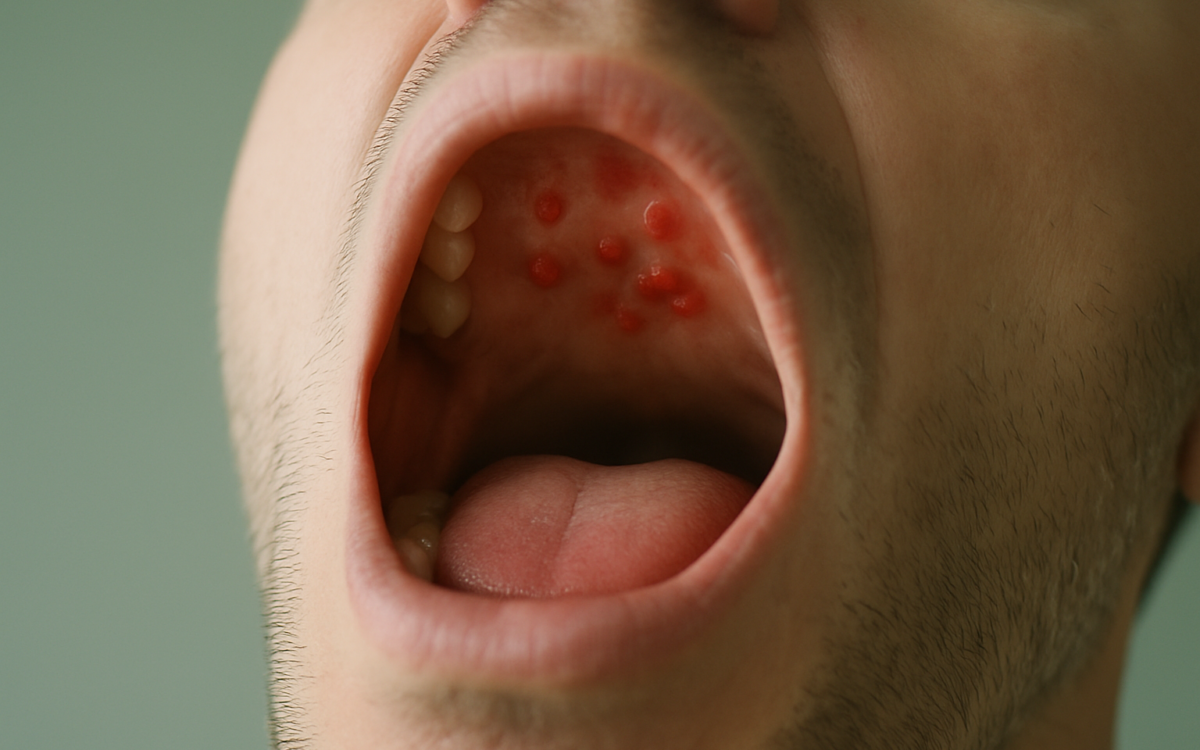
Noticing red bumps on the roof of your mouth can be alarming, but it’s a common issue that many people experience. These bumps might appear suddenly and can be accompanied by discomfort or other symptoms. Understanding the potential causes is essential for addressing the issue and knowing when to seek medical advice.
Common Causes of Red Bumps
There are several reasons you might see red bumps on the roof of your mouth. While some conditions may resolve on their own, others might require medical attention. Here are some of the most common causes:
Aftecial Ulcers
Also known as canker sores, aftes can develop on the soft tissues in your mouth, including the roof. These typically appear as small, red bumps surrounded by a white or yellowish area. Affected individuals often experience significant pain, especially when eating or drinking. Affected individuals may notice a burning sensation before the sore appears. While they can be quite uncomfortable, these sores usually heal within a week or two and often recur at different times.
Allergic Reactions
Sometimes, what seems like red bumps can be a reaction to certain foods or substances. Allergies to foods like nuts, dairy, or specific fruits may manifest as bumps in the mouth. Additionally, certain dental products, like toothpaste containing sodium lauryl sulfate, can provoke oral reactions. If you suspect that a new food or dental product might be causing your symptoms, it’s best to discontinue use and consult a healthcare provider.
Infections
Infections can also be a reason for red bumps in your mouth. Viral infections, such as herpangina or hand, foot, and mouth disease, often cause lesions that can appear as red bumps or blisters. Bacterial infections, particularly those leading to conditions like strep throat, might cause swelling and bumps on the roof of the mouth. These infections usually come with other symptoms, including fever and sore throat, and may need medical treatment. For more information on oral infections, visit the NIH.
Oral Thrush
Oral thrush, also known as candidiasis, is a fungal infection that can cause white or red bumps on the roof of the mouth. It’s more common in individuals with weakened immune systems, such as those with diabetes or people taking certain medications, like antibiotics or corticosteroids. The bumps may have a cottage cheese-like appearance and can cause discomfort. If you suspect oral thrush, it’s important to consult a healthcare provider for appropriate treatment.
Other Potential Causes
While the above conditions are the most common, other factors can also lead to red bumps in the mouth. These include:
- Smoking and tobacco use: Irritation from cigarettes or other tobacco products can cause inflammation and bumps in the mouth.
- Vitamin deficiencies: Lack of certain vitamins, including B vitamins and vitamin C, can lead to oral health issues, including reddish bumps.
- Trauma or irritation: Accidentally biting the roof of your mouth or getting a burn from hot food can lead to localized bumps or swelling.
When to See a Doctor
Most cases of red bumps on the roof of the mouth will resolve on their own or with basic home care. However, it’s essential to see a healthcare provider if you experience any of the following:
- The bumps persist for more than two weeks.
- You have severe pain or discomfort.
- You notice any unusual changes in your mouth or swelling in the throat.
- Symptoms are accompanied by fever, difficulty swallowing, or breathing issues.
Consulting a healthcare professional can help rule out more serious conditions and guide you toward appropriate treatment options. A healthcare provider can provide guidance and reassurance based on your specific situation, ensuring you get the care you need.
Conclusion
Red bumps on the roof of the mouth can arise from various conditions, ranging from harmless canker sores to infections requiring medical attention. Understanding the causes and symptoms associated with these bumps is crucial for alleviating concerns and seeking help when necessary. If you notice persistent or severe symptoms, don’t hesitate to reach out to a healthcare provider to discuss your concerns and explore the best course of action.
