
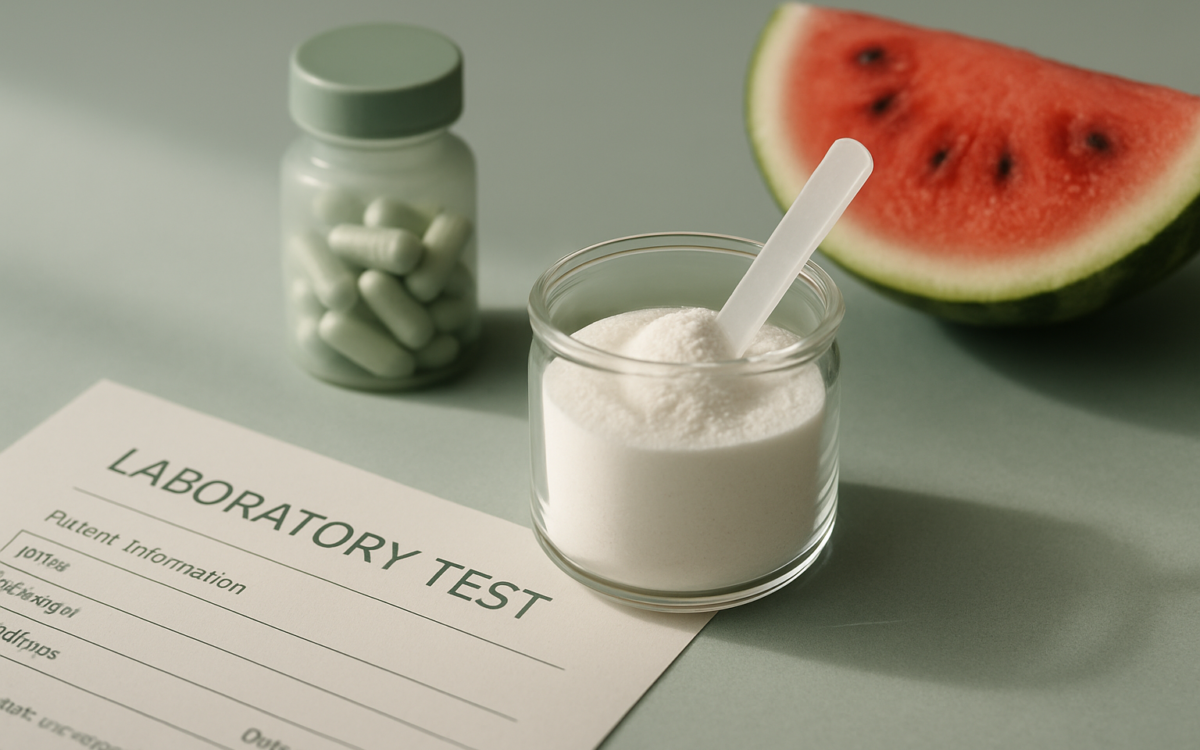
Citrulline malate is a compound that has been capturing the attention of athletes and health enthusiasts alike. Its potential benefits in exercise performance, muscle recovery, and overall health have made it a popular supplement. But what exactly is citrulline malate, and how does it work? In this article, we’ll break down its benefits, uses, and research while keeping the information accessible and clear.
What is Citrulline Malate?
Citrulline malate combines two components: citrulline, an amino acid, and malate, a compound derived from apples. Citrulline is produced naturally in the body and is involved in the urea cycle, which helps clear ammonia from the bloodstream. Malate is known for its role in energy production.
This supplement is often taken in powder form, mixed with water or other beverages. It is popular in the fitness community but is also studied for its broader health benefits.
How Does Citrulline Malate Work?
Citrulline malate works primarily by increasing the levels of nitric oxide (NO) in the body. Nitric oxide is a molecule that helps widen blood vessels, which can improve blood flow. Better blood flow can lead to several benefits, especially for those engaging in physical activities.
- Improved Exercise Performance: By enhancing blood flow, citrulline malate may help deliver more oxygen and nutrients to muscles during workouts, potentially improving endurance and reducing fatigue.
- Reduced Muscle Soreness: Some studies suggest that citrulline malate might help decrease muscle soreness after exercise, making recovery easier.
- Support in Ammonia Clearance: The compound may assist in eliminating ammonia, a waste product of protein metabolism that can lead to fatigue during intense exercise.
Benefits of Citrulline Malate
Research has begun to explore various benefits of citrulline malate, especially in the context of exercise and physical performance. Here are some key findings from the research:
1. Enhanced Athletic Performance
Several studies have found that taking citrulline malate before exercise can improve performance in athletes. One study showed that participants who consumed citrulline malate were able to perform more reps of strength training exercises compared to those who took a placebo. This suggests that citrulline malate may boost physical output, helping athletes push through challenging workouts.
2. Improved Recovery
After intense physical activity, muscle soreness can limit your workout frequency. Some research has indicated that citrulline malate can reduce soreness and improve recovery time, allowing individuals to return to their routine more quickly. This is especially beneficial for those engaged in high-volume training.
3. Support for Cardiovascular Health
Beyond athletic benefits, citrulline malate may also support cardiovascular health. Improved blood flow and nitric oxide production can contribute to better overall heart function. Though more research is needed in this area, the potential for citrulline malate to support heart health is worth noting.
Sources of Citrulline Malate
While citrulline malate is commonly available as a supplement, it can also be found in certain foods. Foods that are high in citrulline include:
- Watermelon
- Cucumbers
- Squash
Incorporating these foods into your diet can help increase your citrulline intake naturally. However, many people find that taking it as a supplement allows for targeted dosing, especially to support exercise performance.
Potential Side Effects and Considerations
Though citrulline malate is generally considered safe for most individuals, there are a few considerations to keep in mind. Side effects are rare, but some people may experience digestive upset or discomfort.
It’s always important to consult with a healthcare professional before starting any new supplement, especially if you have existing health conditions or are taking medications. Additionally, the optimal dosage can vary based on individual needs and goals.
When to See a Doctor
If you experience unusual symptoms like stomach pains, persistent fatigue, or any other concerning signs after taking citrulline malate, consult with your healthcare provider. Additionally, if you have underlying health conditions or are planning to begin an exercise program, it’s a good idea to discuss supplementation with a doctor first.
Conclusion
Citrulline malate is an intriguing compound that offers several potential benefits, especially for athletes or active individuals looking to enhance performance and recovery. Its ability to boost nitric oxide levels, improve blood flow, and reduce muscle soreness makes it a valuable addition to the wellness toolkit.
As research continues, our understanding of citrulline malate will evolve. Always remember to consult a healthcare professional before adding new supplements to your routine, ensuring that your choices support your individual health needs.
For more information on the benefits of citrulline malate and related research, visit the NIH National Library of Medicine or check resources from the World Health Organization.
