
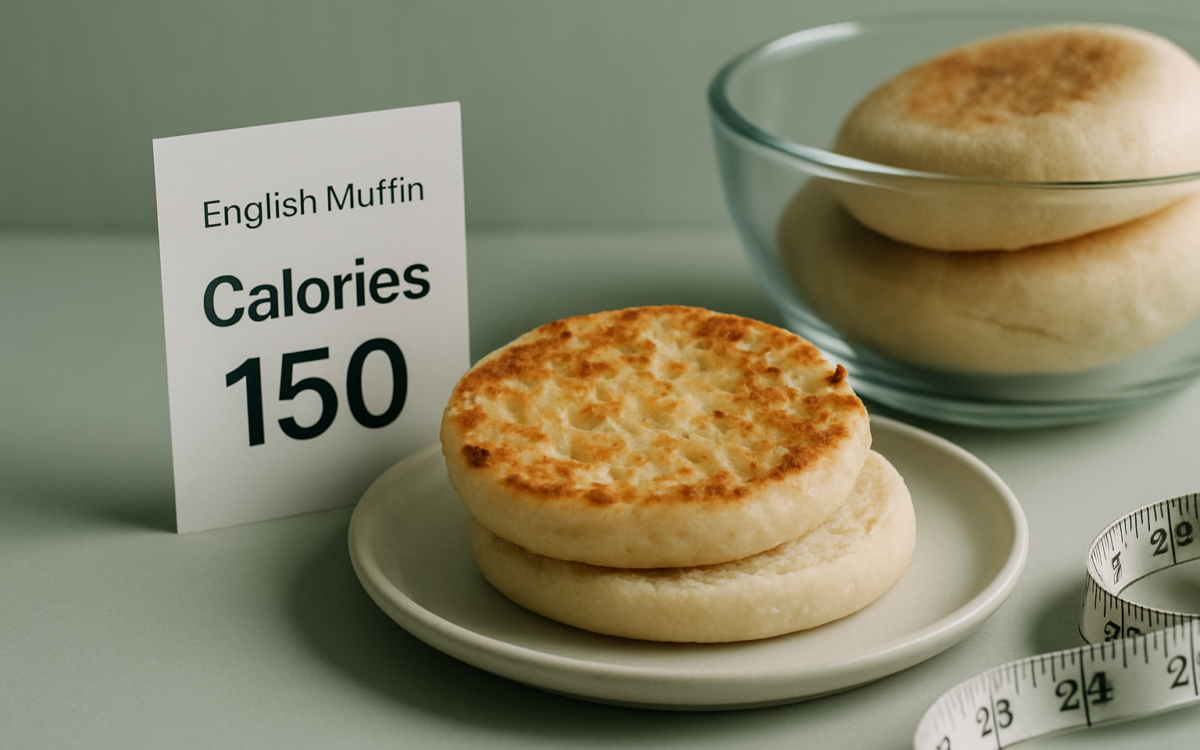
English muffins are a popular breakfast staple in many households across the United States. These delicious, light, and toasty treats are often overlooked when it comes to understanding their calorie content and nutritional benefits. If you enjoy an English muffin with your eggs or as a vehicle for your favorite spreads, you might be curious about how they fit into your daily caloric intake. In this article, we’ll take a closer look at English muffin calories, nutritional facts, and ways to enjoy them while keeping your overall health in check.
What is an English muffin?
English muffins are small, round bread products that are typically sliced horizontally and toasted before eating. Unlike regular bread, they are usually baked on a griddle, which gives them their unique texture and flavor. They originated in England but have become a beloved breakfast item in the United States.
Caloric content of English muffins
On average, an original-sized English muffin (about 47 grams) contains around 120-130 calories. This calorie count can vary slightly depending on the brand and whether the muffin contains additional ingredients. For example, whole grain and multigrain varieties may have slightly more calories due to added seeds and grains.
Nutritional breakdown
In addition to calories, it’s important to consider the overall nutritional profile of English muffins. Here’s a typical nutritional breakdown for a standard plain English muffin:
- Calories: 120-130
- Carbohydrates: 26-28 grams
- Protein: 4-5 grams
- Fat: 0.5-1 gram
- Fiber: 1-2 grams
- Sugars: 1-3 grams
English muffins are primarily made of refined flour, which offers a quick source of energy. However, they are relatively low in fiber unless you opt for whole grain versions. Increasing your fiber intake is important for digestive health and can help to keep you feeling full longer (source: NIH).
Healthier choices and toppings
While English muffins can fit into a healthy diet, the choice of toppings can significantly influence their nutritional quality. Here are some healthier topping options:
- Avocado: Rich in healthy fats and fiber, avocado makes for a satisfying topping.
- Nut butter: Natural nut butters like almond or peanut butter can add protein and healthy fats.
- Greek yogurt: A spoonful of Greek yogurt provides additional protein and probiotics.
- Fruits: Fresh fruits, like berries or banana slices, offer vitamins and antioxidants.
When selecting spreads or toppings, consider those low in added sugars and saturated fats, which can increase the caloric content and reduce overall nutritional benefit.
Different varieties and their calories
English muffins come in various types, including:
- Whole grain: Generally higher in fiber and slightly higher in calories, these are often more nutritious.
- Gluten-free: These can vary widely in calories; check the nutrition label as some may be higher in fat or sugar.
- Flavored varieties: Muffins with herbs, cheese, or other flavors may have more calories than plain varieties due to added ingredients.
Always check nutrition labels for specific calorie counts, especially when trying new varieties.
Making English muffins part of a balanced diet
Incorporating English muffins into a balanced diet is entirely possible with mindful eating practices. Here are some tips for enjoying them healthily:
- Portion control: Be mindful of serving sizes. Sometimes, a half muffin with nutritious toppings can be just as satisfying.
- Pair with proteins: Combine muffins with protein-rich foods, such as eggs or cottage cheese, to create a well-rounded meal.
- Include fruits and vegetables: Adding fruits or veggies to your muffin meal can enhance both flavor and nutritional value.
English muffins can serve as a versatile base for breakfast, lunch, or snacks when combined with healthy, nutrient-dense ingredients.
When to see a doctor
If you have concerns about your diet, weight management, or specific health issues such as diabetes, it’s always best to consult your healthcare provider. They can offer personalized advice tailored to your individual health needs.
For more information on diet and nutrition, you can visit trusted resources like the World Health Organization or the Centers for Disease Control and Prevention.
In conclusion, English muffins can be a delicious and versatile addition to your meals. With an understanding of their calorie content and nutritional benefits, you can make informed choices that align with your dietary goals. Whether enjoyed plain or topped with healthy ingredients, English muffins can definitely find a place in a balanced diet.
