
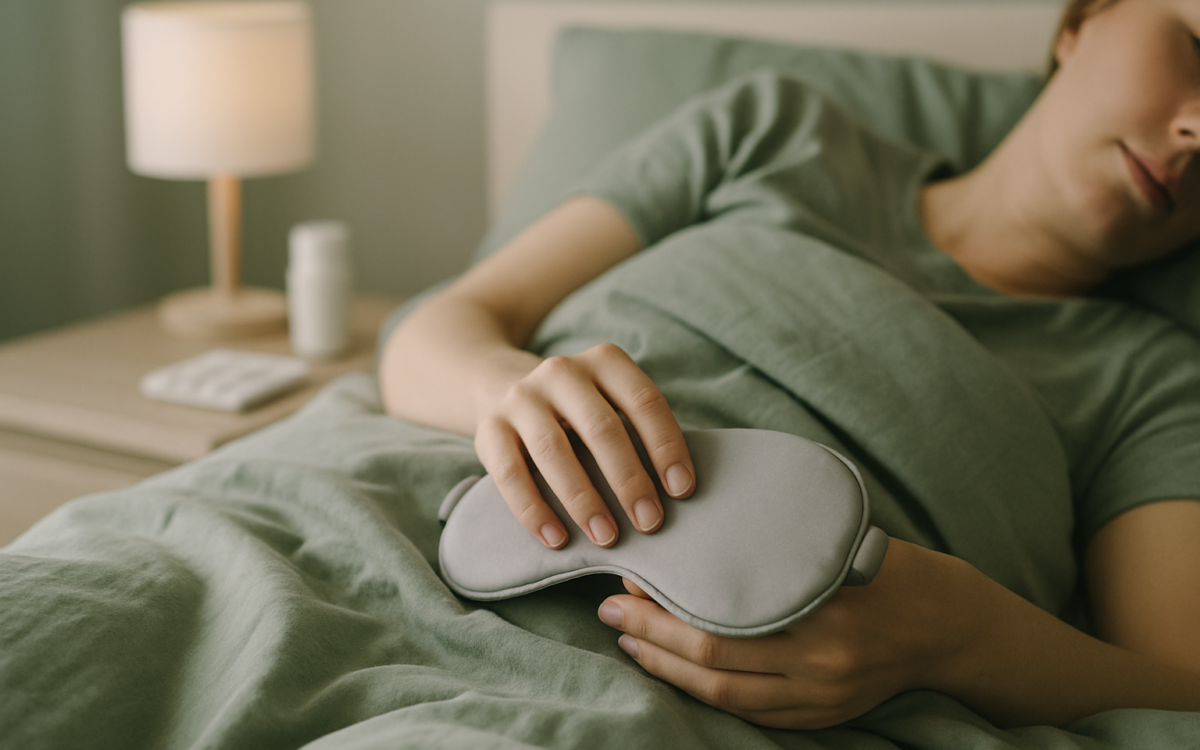
For many, drifting into a peaceful slumber can feel like an unattainable goal. Tossing and turning, staring at the clock, and feeling the weight of fatigue can make bedtime a stressful affair. The good news is that there are numerous strategies to help you fall asleep faster and wake up refreshed. If you’re struggling with sleep issues, don’t worry—this guide provides creative yet effective tips that can enhance your bedtime routine and improve your overall sleep quality.
Establishing a Sleep-Friendly Environment
Your bedroom should be a sanctuary for sleep. This means creating an atmosphere that promotes relaxation and reduces distractions. Here are some key elements to consider:
- Optimize Temperature: Keeping your bedroom cool (around 60-67°F) can help facilitate sleep.
- Reduce Noise: White noise machines or earplugs can minimize disruptive sounds. Consider nature sounds or gentle music as alternatives.
- Control Lighting: Use blackout curtains to keep the room dark. Dimming lights in the evening signals to your body that it’s time to wind down.
- Comfortable Bedding: Invest in a good mattress and pillows that support your preferred sleeping position.
Crafting a Relaxing Bedtime Routine
Engaging in a calming pre-sleep routine can signal to your body that it’s time to relax. Consider incorporating some of these activities into your evening ritual:
- Reading: Choose a book that isn’t overly stimulating or emotional.
- Gentle Stretching or Yoga: Simple stretches or yoga poses help release physical tension.
- Mindfulness and Meditation: Spend a few minutes focusing on your breath or practicing mindfulness techniques to calm racing thoughts.
- Warm Bath or Shower: Taking a warm bath can not only relax your muscles but also create a pleasant drop in body temperature afterward, signaling sleepiness.
Regulating Sleep-Wake Patterns
Your body has a natural sleep-wake cycle, also known as the circadian rhythm. To support this cycle, consider these tips:
- Consistent Sleep Schedule: Go to bed and wake up at the same time each day, even on weekends.
- Morning Sunlight: Exposure to natural light in the morning helps regulate your body clock and enhances alertness.
- Limit Naps: If you choose to nap, keep it to 20-30 minutes and avoid late afternoon naps.
- Watch Your Evening Activities: Limit stimulating activities like vigorous exercise or engaging TV shows right before bed.
Nutrition and Sleep Connection
What you eat and drink can significantly influence your ability to fall asleep. Here are some nutritional tips to consider:
- Avoid Heavy Meals: Large meals or rich foods right before bedtime can disturb sleep.
- Limit Caffeine and Nicotine: Both are stimulants that can keep you awake. It’s best to avoid them, especially in the afternoon and evening.
- Watch Alcohol Intake: While alcohol may initially make you feel sleepy, it can disrupt your sleep cycle later in the night.
- Incorporate Sleep-Friendly Snacks: Consider a small snack that includes complex carbohydrates and proteins, like whole-grain toast with peanut butter or cereal with milk.
Managing Stress and Anxiety
Stress and anxiety are common culprits when it comes to sleeplessness. Developing effective coping strategies can pave the way for tranquility at bedtime:
- Journaling: Writing down thoughts or worries before bed helps clear your mind.
- Deep Breathing Exercises: Engaging in deep breathing can calm your nervous system and promote relaxation.
- Progressive Muscle Relaxation: Tense and then relax each muscle group in your body, working from your toes to your head.
- Limit Screen Time: Reduce exposure to screens at least an hour before bed, as blue light can interfere with melatonin production.
When to See a Doctor
While these strategies can significantly improve your sleep, persistent difficulties may require professional help. If you find that you are experiencing:
- Chronic insomnia lasting more than a month
- Daytime fatigue affecting your daily activities
- Unexplained sleep disturbances or sleep apnea symptoms (e.g., loud snoring, gasping during sleep)
- Excessive daytime sleepiness
It’s important to consult a healthcare professional. They can provide tailored advice and assess any underlying conditions. You can find valuable information through resources like the NIH or Mayo Clinic.
Improving your sleep takes time, experimentation, and patience, but the benefits of a good night’s rest can dramatically enhance your quality of life. Sleep is not just a time to rest—it’s a vital component of overall health. Start implementing these strategies tonight and unlock the restful sleep you deserve.
