
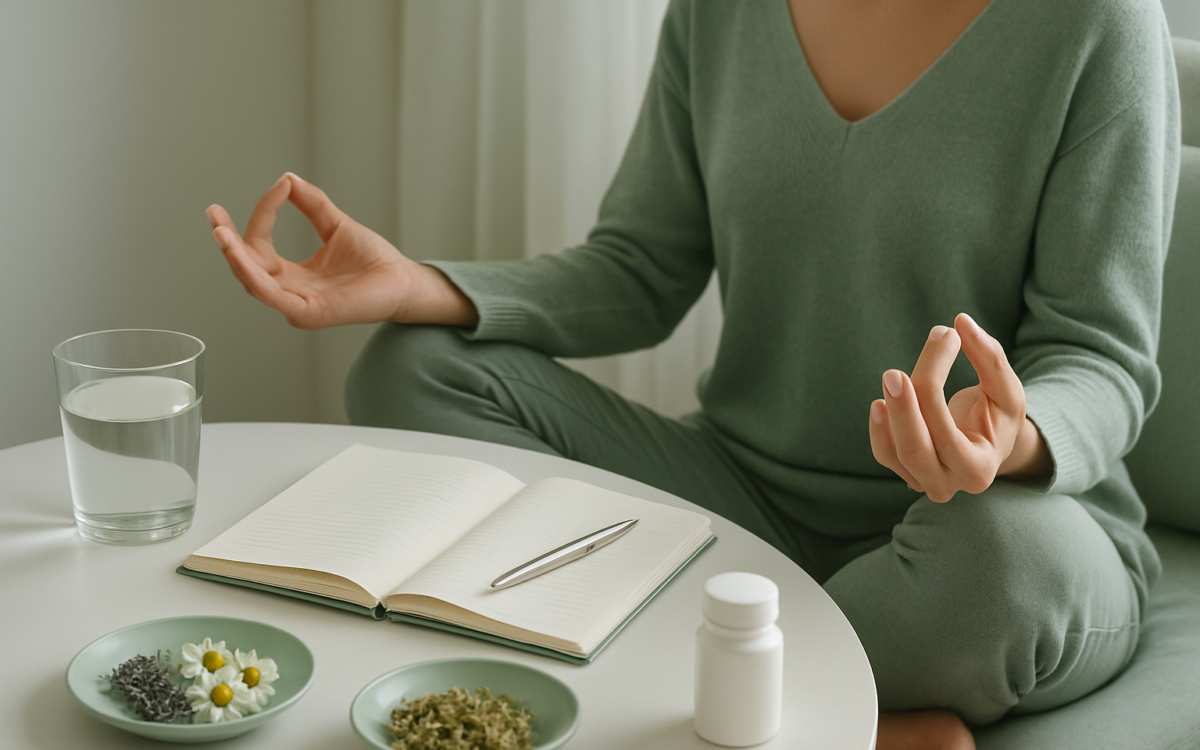
In our fast-paced world, stress can sometimes feel like a constant companion. Whether it’s work deadlines, family responsibilities, or the weight of global events, it can accumulate and impact our health. Fortunately, there are many natural ways to reduce stress and find a bit of calm in the chaos. Let’s explore some effective techniques to help you manage stress and support your overall well-being.
Mindfulness and Meditation
Mindfulness is the practice of staying present and fully engaging with the moment. It’s a powerful tool for reducing stress because it allows you to step back from your worries and acknowledge them without judgment. Meditation is a popular way to practice mindfulness.
Here are a few simple ways to get started with mindfulness and meditation:
- Start small: Begin with just a few minutes each day. Sit quietly, focus on your breath, and allow your thoughts to drift away.
- Guided meditations: Many apps and online platforms offer guided sessions that can help you through the process.
- Mindful walking: Take a walk and deliberately pay attention to your surroundings. Notice the sights, sounds, and smells around you.
Research shows that practicing mindfulness can lead to lower stress levels and improved emotional well-being (NIH). It encourages you to focus on the present rather than getting lost in past regrets or future anxieties.
Physical Activity
Regular physical activity is a well-known stress reliever. Exercise produces endorphins, the body’s natural mood lifters. It doesn’t require you to hit the gym for an hour; even moderate activity can make a difference.
Consider these forms of exercise to help alleviate stress:
- Walking or jogging: Simple and effective, even short walks can help clear your mind.
- Yoga: Combines physical movement, breathing exercises, and meditation to promote relaxation.
- Dancing: An enjoyable way to express yourself while boosting your mood.
As little as 30 minutes of moderate exercise a few times a week can help mitigate stress and improve your overall health (CDC).
Herbal Remedies and Supplements
Many people turn to herbal remedies to help with stress. While more research is needed to confirm their effectiveness, some herbs have shown promising results:
- Chamomile: Often consumed as tea, chamomile is known for its calming properties.
- Lavender: Aromatherapy using lavender essential oil can promote relaxation and reduce stress.
- Ashwagandha: This adaptogenic herb may help the body manage stress.
Always check with a healthcare professional before trying new supplements, especially if you are on medication or have other health conditions. More information on the benefits and risks can be found through reputable sources such as the Mayo Clinic.
Healthy Eating Habits
Your diet can significantly influence how you feel. Eating balanced meals rich in nutrients can help your body cope with stress. Here are some dietary tips to keep in mind:
- Focus on whole foods: Opt for fruits, vegetables, whole grains, lean proteins, and healthy fats.
- Stay hydrated: Dehydration can lead to fatigue and irritability, so be sure to drink enough water.
- Limit caffeine and sugar: While they can provide a temporary boost, they may also lead to an eventual crash that can increase anxiety.
Maintaining a healthy diet can help stabilize your mood and energy levels, making it easier to manage stress.
Establishing a Routine
Having a daily routine can create a sense of normalcy and control. Establishing a structured day helps manage tasks without becoming overwhelmed, which can lower stress levels.
Consider the following tips to create a calming routine:
- Set specific times: Establish regular times for meals, work, exercise, and relaxation.
- Prioritize tasks: Make a to-do list and tackle tasks based on importance rather than urgency.
- Include downtime: Schedule time for relaxation and hobbies, ensuring that you take breaks throughout the day.
Routines provide the predictability we often need during stressful times, fostering a sense of security and comfort.
Connecting with Others
Social support is crucial for managing stress. Connecting with family and friends can provide emotional support and practical advice. Don’t hesitate to reach out to your support network during challenging times.
Some ways to strengthen your connections include:
- Engaging in conversations: Share your thoughts and feelings with trusted friends or family.
- Participating in group activities: Consider joining clubs or groups that interest you to meet new people.
- Volunteering: Helping others can give you a sense of purpose and fulfillment.
A strong support system can serve as a buffer against stress and offer perspectives that help you cope.
When to See a Doctor
If you’ve tried various techniques to manage stress and still feel overwhelmed, it may be time to consult a healthcare provider. They can offer guidance tailored to your situation and may recommend additional resources or therapies.
Look for help if you experience: severe anxiety, persistent sadness, changes in sleeping or eating habits, or if stress is affecting your daily life.
Managing stress is essential for maintaining both physical and mental health. By integrating natural strategies like mindfulness, exercise, balanced eating, and social connections into your daily life, you can create a personalized approach to reducing stress. Take the first step towards embrace calm today!
