
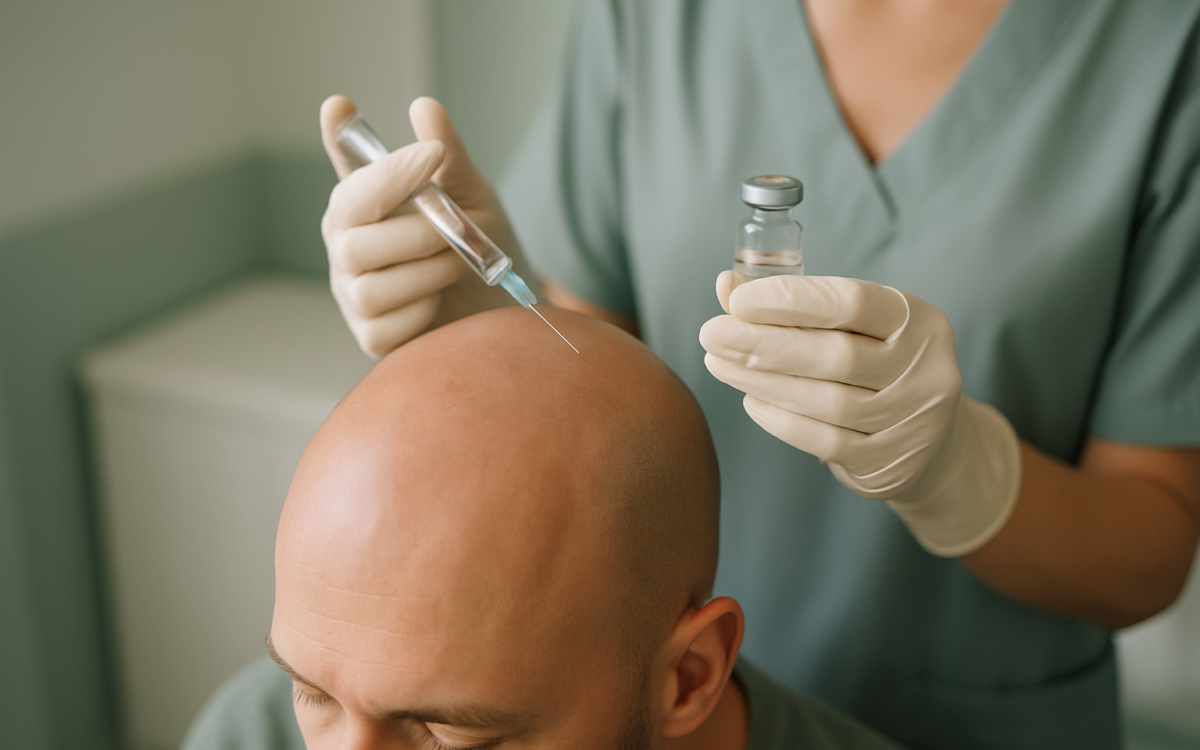
Baldness, or hair loss, can be a challenging experience for many. Whether you are just starting to notice thinning hair or have already experienced significant hair loss, it can be difficult to navigate your options. Thankfully, advancements in medicine and dermatology have made various treatments available. This article will explore the different treatments for baldness, their effectiveness, and what you can expect from each option.
Understanding Baldness
Baldness can occur for various reasons, and it is essential to understand the underlying causes before seeking treatment. The most common types of hair loss include:
- Androgenetic alopecia: Also known as male or female pattern baldness, this genetic condition is the leading cause of hair loss.
- Alopecia areata: An autoimmune condition that causes patches of hair loss.
- Telogen effluvium: A temporary condition often triggered by stress, illness, or hormonal changes.
Identifying the cause of your hair loss is the first step to finding the right treatment. If you notice sudden or extensive hair loss, it is recommended to consult with a healthcare professional.
Medications
Several medications are FDA-approved for treating hair loss, particularly for androgenetic alopecia. Two of the most common options include:
Minoxidil
Minoxidil is a topical solution available over the counter and is known by the brand name Rogaine. It is applied directly to the scalp and works by stimulating hair follicles and promoting hair regrowth. Clinical studies have shown that many users experience positive results, especially if used in the early stages of hair loss. Side effects may include scalp irritation.
Finasteride
Finasteride, sold under the brand name Propecia, is an oral medication that helps to block the hormone DHT, which contributes to hair loss. This medication is for men only and has demonstrated effectiveness in slowing hair loss and stimulating regrowth. However, potential side effects, such as sexual dysfunction, should be discussed with your doctor.
Hair Transplant Surgery
For those experiencing significant hair loss, hair transplant surgery has become a popular solution. In this procedure, hair follicles from a donor site on the scalp (typically the back of the head) are transplanted to the balding areas. Here are two primary techniques:
Follicular unit transplantation (FUT)
FUT involves removing a strip of scalp from the donor site and then dissecting it into tiny grafts containing hair follicles. These grafts are then implanted into the balding area. This method can create a natural-looking hairline, but it does leave a linear scar.
Follicular unit extraction (FUE)
FUE is a less invasive technique that involves extracting individual hair follicles directly from the scalp. This method leaves minimal scarring and allows for quicker healing times. However, it can be more time-consuming and expensive than FUT.
Both methods can yield good results, but it is essential to have realistic expectations and consult with a qualified surgeon before proceeding.
Non-Surgical Options
If you’re not ready for surgery or medication, there are several non-surgical treatments available:
- Laser therapy: Low-level laser therapy (LLLT) uses specific wavelengths of light to stimulate hair follicles and increase blood flow to the scalp. Some studies suggest that it may promote hair growth in both men and women.
- Platelet-rich plasma (PRP) therapy: This innovative treatment involves drawing a small amount of your blood, processing it to concentrate the platelets, and injecting it into the scalp to stimulate hair growth. Research indicates promising results, although more studies are needed.
- Hairpieces and wigs: For immediate results, high-quality hairpieces and wigs can provide a natural look without any medical intervention.
These treatments can be effective for many people, and you may even consider combining several approaches for optimal results. For those considering international treatments, resources like acibademinternational.com can guide you in exploring options beyond your local clinics.
Lifestyle Changes and Home Remedies
Aside from medical treatments, incorporating certain lifestyle changes may help improve the health of your hair and scalp:
- Balanced diet: Consuming a diet rich in vitamins and minerals, like biotin, zinc, and iron, supports hair health. Foods like eggs, nuts, fish, and leafy greens are beneficial.
- Reduce stress: Chronic stress is known to contribute to hair loss. Engaging in stress-reducing activities, such as exercise, meditation, or yoga, may help.
- <strongAvoid harsh hair products: Reducing the use of harsh shampoos and chemicals can help prevent further damage to your hair.
While these lifestyle changes may not reverse hair loss, they can enhance existing treatments and promote healthier hair.
When to See a Doctor
If you are experiencing hair loss, it is essential to consult a doctor or dermatologist who specializes in hair restoration. Seek medical advice if:
- You notice sudden or patchy hair loss.
- Your hair loss is accompanied by other symptoms, like itching or redness.
- You have concerns about side effects from medications or treatments.
A healthcare professional can help diagnose your specific type of hair loss and recommend appropriate treatment options tailored to your needs.
In conclusion, baldness can be a distressing condition, but many treatments are available to help. From FDA-approved medications to advanced surgical methods, individuals facing hair loss have numerous paths to explore. Consult with a healthcare provider to find the best solution for your situation, and remember that confidence comes from within, with or without hair.
