
Periodontal disease, commonly known as gum disease, affects the tissues that surround and support your teeth. It can start as gingivitis, which causes inflammation and irritation of the gums. If left untreated, it can progress to more severe stages known as periodontitis, leading to significant oral health problems, including tooth loss. However, the good news is that effective treatments are available to manage this condition and keep your smile healthy.
What Causes Periodontal Disease?
Periodontal disease begins with plaque buildup on the teeth. Plaque is a sticky film of bacteria that forms on your teeth and gums. If not removed through regular brushing and flossing, plaque can harden into tartar, which can only be removed by a dental professional. Factors that can contribute to the development of periodontal disease include:
- Poor oral hygiene
- Smoking or tobacco use
- Genetic predisposition
- Hormonal changes (such as during pregnancy or menopause)
- Certain medical conditions (like diabetes)
- Nutritional deficiencies
Recognizing the Signs and Symptoms
Being aware of the signs and symptoms of periodontal disease is crucial for early intervention. Common indicators include:
- Red, swollen, or tender gums
- Gums that bleed during brushing or flossing
- Persistent bad breath
- Receding gums, which can make teeth appear longer
- Loose or shifting teeth
- Pus between your teeth and gums
If you notice any of these symptoms, it’s essential to consult a dental professional for a thorough evaluation and possible treatment.
Non-Surgical Treatments
The earliest stage of gum disease is gingivitis, which often requires only non-surgical treatment. Some common non-surgical treatments include:
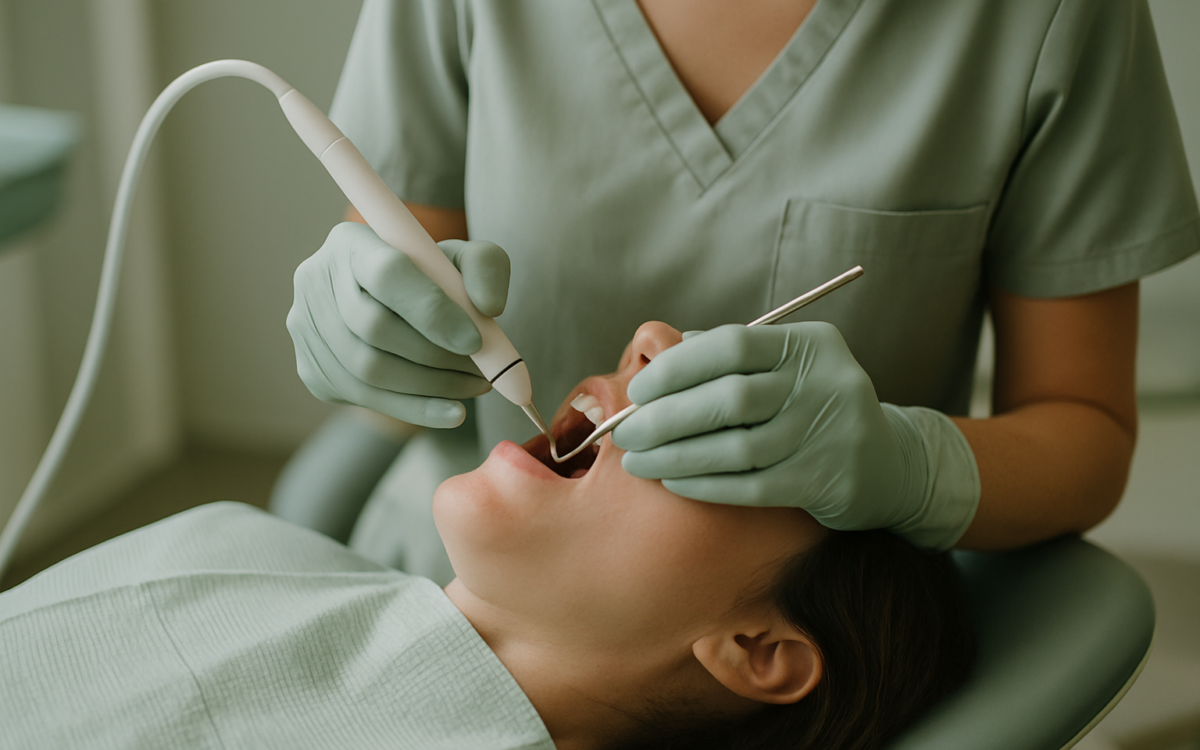
- Professional Cleaning: Your dentist or dental hygienist will perform a deep cleaning, known as scaling and root planing. This procedure removes plaque and tartar from your teeth and smooths the tooth roots to help your gums reattach.
- Antibacterial Treatments: Topical or oral antibiotics may be prescribed to help control bacterial infection, especially if the disease is more advanced.
- Improvement of Oral Hygiene Habits: Dentists will often provide guidance on effective brushing and flossing techniques, along with recommendations for mouthwashes that can help reduce bacteria in the mouth.
Surgical Treatments for Advanced Cases
If periodontal disease progresses to a more severe form, surgical options may be necessary. Some common surgical procedures include:
- Flap Surgery (Pocket Reduction Surgery): In this procedure, your dentist lifts back the gums to remove tartar and then sutures the gums back in place to fit snugly around the tooth. This helps reduce the size of the pockets that trap bacteria.
- Bone Grafts: Bone grafting is used to regenerate bone lost due to periodontitis. This surgery uses natural or synthetic materials to help restore the bone structure supporting the teeth.
- Tissue Grafts: When gums have receded significantly, soft tissue grafts may be necessary to cover exposed roots and improve the aesthetics of your smile.
The Role of Maintenance and Prevention
Prevention is the best approach when it comes to periodontal disease. Here are some effective strategies to maintain your oral health:
- Practice regular and effective oral hygiene by brushing at least twice a day and flossing daily.
- Visit your dentist for regular check-ups and cleanings, generally every six months.
- Eat a nutritious diet that is low in sugars and high in fiber, which can help support gum health.
- Avoid tobacco products, as they significantly increase the risk of gum disease.
- Stay hydrated, as saliva helps prevent gum disease by neutralizing acids and washing away food particles.
When to See a Doctor
If you experience any signs of gum disease, such as bleeding gums or persistent bad breath, it is crucial to consult a dental professional promptly. Early intervention can significantly improve outcomes and help prevent the disease from progressing.
Conclusion
Periodontal disease can affect not only your oral health but also your overall well-being. Understanding the causes, recognizing the symptoms, and knowing the treatment options can empower you to take control of your dental health. Regular dental visits and good oral hygiene are essential in preventing and managing periodontal disease, helping you maintain a healthy smile for years to come.
For more information on periodontal disease and its treatment options, you can refer to reliable resources like the NIH, the World Health Organization, and the Mayo Clinic.
