
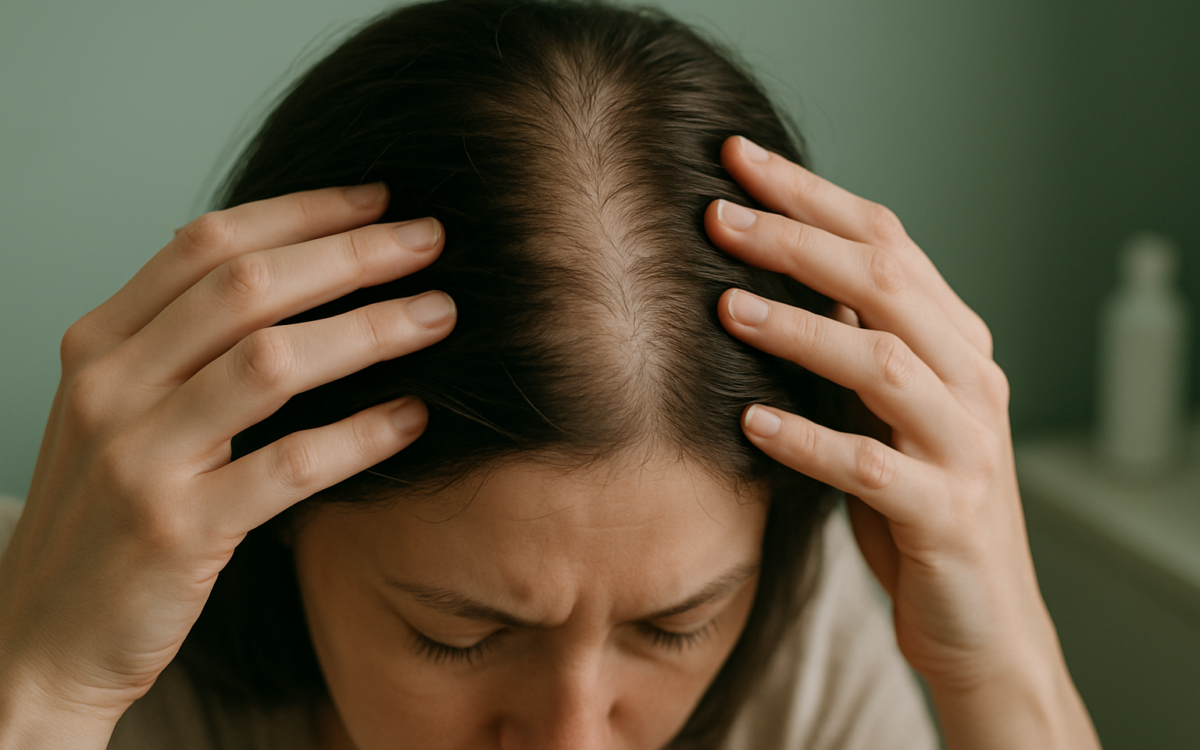
Hair loss is a common issue that affects many men at varying stages of life. For some, it’s just a few changing strands; for others, it may result in significant thinning or baldness. Understanding what causes hair loss can help demystify the condition and guide you toward potential solutions. Let’s explore the various factors that can lead to hair loss.
Genetics and Heredity
One of the most significant contributors to hair loss is genetics. Male pattern baldness, also known as androgenetic alopecia, is hereditary and can start as early as your late teens or twenties. This type of hair loss typically follows a well-known pattern, where hair gradually thins at the temples or crown of the head.
The underlying mechanism involves dihydrotestosterone (DHT), a hormone linked to follicle shrinking. Over time, these follicles produce thinner hair until they stop producing hair entirely. If you have family members with a history of hair loss, your chances of experiencing it are higher.
Hormonal Changes
Hormonal fluctuations can also lead to hair loss. Conditions like thyroid disorders, which can be both hyperthyroidism and hypothyroidism, impact hair growth. Testosterone levels significantly influence hair follicles, and imbalances can accelerate hair loss.
Aside from medical conditions, lifestyle factors such as stress and poor diet can indirectly influence hormone levels, exacerbating hair loss. Many men may notice increased shedding during particularly stressful periods in their lives.
Stress and Hair Loss
Stress is a well-documented trigger for various health issues, including hair loss. When you experience high levels of stress, your body undergoes a physiological reaction that may lead to a condition known as telogen effluvium. This occurs when hair follicles enter the shedding phase prematurely, resulting in noticeable hair loss.
While typically temporary, chronic stress can prolong the shedding phase and make recovery more difficult. Addressing your stress through relaxation techniques, exercise, or counseling can be beneficial not only for your mental health but also for your hair.
Nutritional Deficiencies
A well-balanced diet plays a vital role in maintaining healthy hair. Deficiencies in essential nutrients can lead to hair loss. Iron, zinc, and protein are particularly crucial for hair health. Lack of these nutrients can weaken hair shafts, making them more prone to breaking and falling out.
Inadequate intake of vitamins like B12 and D can also affect hair growth. Including a diverse range of fruits, vegetables, whole grains, and proteins in your diet can help ensure you receive the nutrients necessary for healthy hair. If you suspect a deficiency, consider consulting a healthcare professional for testing.
Medical Conditions and Medications
Certain medical conditions can prompt hair loss as a symptom. For instance, autoimmune diseases like alopecia areata can cause your immune system to attack hair follicles, leading to hair loss. Other conditions such as scalp infections or skin disorders like psoriasis can also contribute.
Medications can have side effects leading to hair loss, too. Drugs used for cancer treatment, arthritis, depression, and heart problems are among those that may cause hair thinning. If you’re concerned that your medications could be affecting your hair, discuss this with your doctor.
International Perspectives on Treatment
In recent years, various treatments for hair loss have emerged globally, each with unique methods and medications. For those considering hair restoration options, resources like Acibadem International offer insight into international treatment practices that may complement local options.
When to See a Doctor
If you notice sudden, severe hair loss or your hair loss is accompanied by itching, redness, or other symptoms, it’s important to consult a healthcare provider. They can help determine the underlying cause and recommend appropriate treatments.
Conclusion
Understanding the causes of hair loss is essential for taking action and mitigating its effects. From genetic factors to nutrition and stress management, many components contribute to this complex issue. If you’re experiencing hair loss, consider the information above and consult a medical professional to explore your treatment options.
