
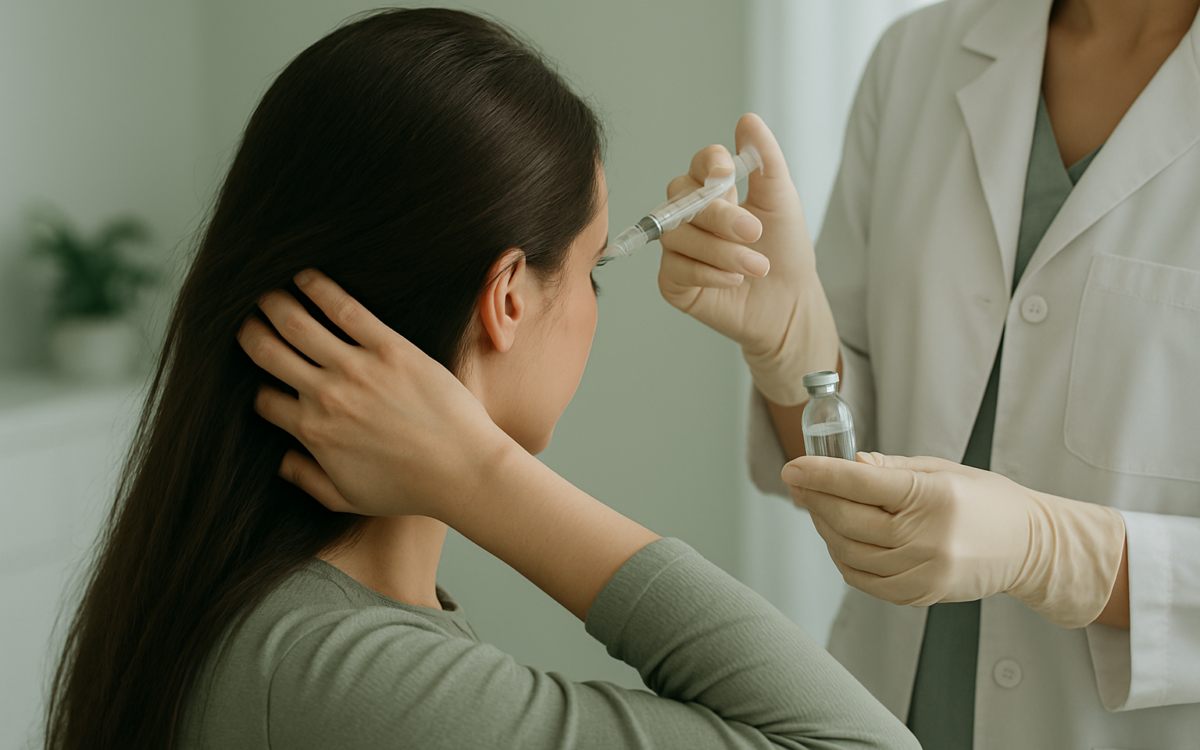
Hair is often considered a woman’s crowning glory. When hair starts to fall out, it can be distressing and uncomfortable. Whether it’s through shedding, thinning, or bald patches, hair loss affects many women at some point in their lives. Understanding the causes behind hair fall and exploring treatment options can empower you to take control of your hair health.
Common Causes of Hair Fall in Women
Before diving into treatments, it’s important to understand what might be causing your hair to fall out. Numerous factors can contribute to hair loss in women:
- Hormonal Changes: Conditions like pregnancy, menopause, and thyroid issues can disrupt hormone levels, leading to hair loss.
- Genetics: Hereditary conditions such as female pattern baldness affect many women as they age.
- Stress: Physical or emotional stress can trigger excessive hair shedding, often referred to as telogen effluvium.
- Diet and Nutrition: Insufficient nutrients, particularly iron and protein, can affect hair growth.
- Medical Conditions: Autoimmune diseases like alopecia areata can cause hair to fall out in patches.
- Certain Medications: Some drugs may list hair loss as a side effect.
Lifestyle Adjustments for Prevention
Sometimes, simple lifestyle changes can help prevent or slow down hair loss. Here are some strategies to consider:
- Nutrition: Maintain a well-balanced diet rich in vitamins and minerals. Foods containing iron, zinc, vitamin D, and B vitamins can promote hair health.
- Stress Management: Finding ways to manage stress, whether through yoga, meditation, or hobbies, can help combat hair loss.
- Avoid Heat and Chemicals: Limit the use of heat styling tools and harsh chemical treatments that could damage your hair.
Over-the-Counter Treatments
Many women turn to over-the-counter options to address their hair loss. Common products include:
- Minoxidil: Available in topical form, minoxidil is an FDA-approved treatment for hair loss. It stimulates hair follicles and can improve hair density.
- Shampoos and Conditioners: Some products are designed specifically for thinning hair, often containing ingredients that promote hair strength and health.
Medical Treatments to Consider
If you’re experiencing significant hair loss, consulting a healthcare provider is essential. They can offer a tailored treatment plan which might include:
- Prescription Medications: Doctors may prescribe finasteride or other medications that can effectively treat hair loss.
- Therapies: Options like platelet-rich plasma (PRP) therapy use your blood’s growth factors to stimulate hair growth.
- Surgery: Hair transplant surgery may be recommended for permanent solutions to restore hair density.
For those considering treatments beyond their home country, seeking resources from institutions like Acibadem International can provide options like advanced hair restoration techniques and access to international specialists.
Alternative Therapies
Some women explore holistic or natural remedies to address hair loss. While the scientific backing may vary, options such as:
- Essential Oils: Oils like rosemary and peppermint have been suggested to promote hair growth.
- Herbal Supplements: Natural supplements, such as saw palmetto, may inhibit hair loss in some individuals.
Always discuss these options with a healthcare provider before trying any alternative treatments to ensure they are safe for you.
Emotional Support and Coping
Beyond the physical aspects, hair loss can profoundly impact a woman’s self-image and emotional health. Here are some tips for managing the emotional side of hair loss:
- Connect with Others: Support groups, both in-person and online, can provide comfort and shared experiences.
- Don’t Isolate Yourself: Open discussions with friends or family about your feelings can reduce loneliness and negativity.
- Consulting a Counselor: Counseling may help address feelings of anxiety and distress related to hair loss.
When to See a Doctor
If you’re experiencing sudden or patchy hair loss, or if you notice changes that concern you, it’s important to consult a healthcare provider. They can determine the underlying cause and recommend appropriate treatments based on your individual needs.
Conclusion
Women’s hair loss can be distressing, but understanding the causes and exploring treatment options offers hope and resilience. By taking proactive steps and seeking professional advice when needed, you can find a path that not only addresses hair loss but also nurtures your overall well-being.
