
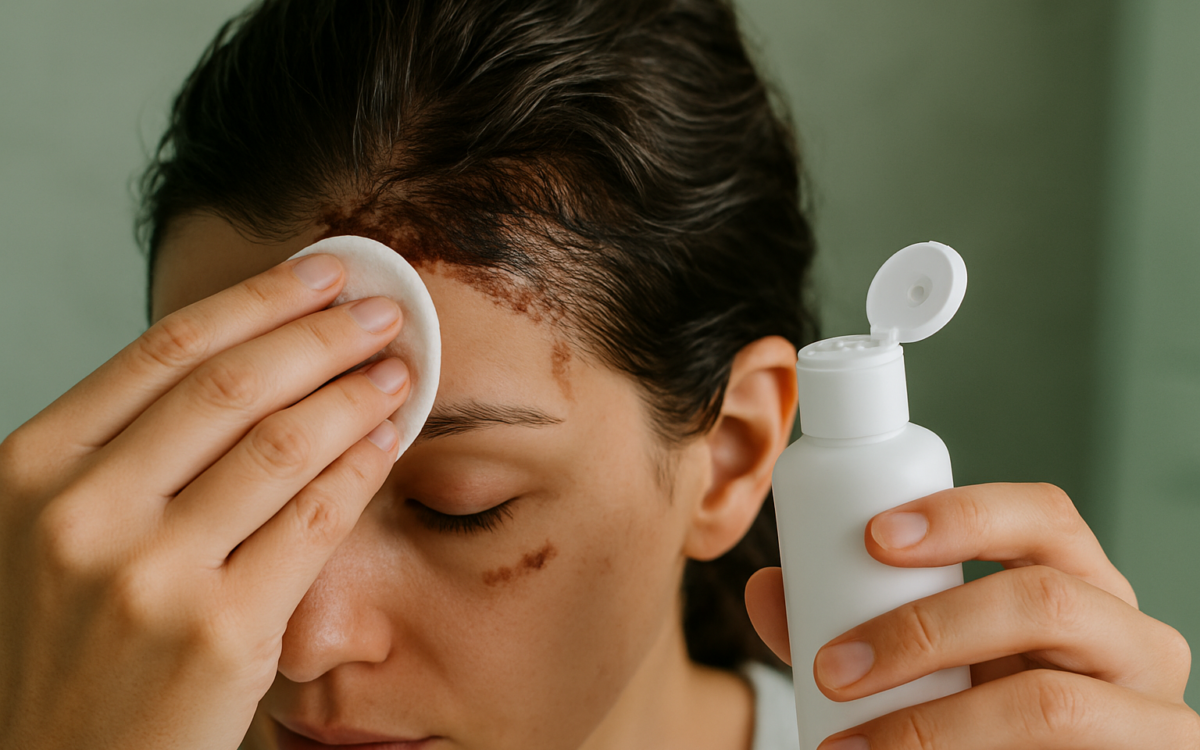
Getting a new hair color can be exciting, but it often comes with the unintended consequence of hair dye staining your skin. Whether you’ve accidentally splashed some dye on your forehead while applying it or ended up with color on your hands, you’re not alone. The good news is that there are several effective methods to remove hair dye from your skin without causing irritation. In this article, we’ll explore various techniques to help you achieve your desired look while keeping your skin free from unwanted stains.
Understanding Hair Dye Stains
Hair dye is made up of various pigments and chemicals that can cling to the skin. The intensity of the stain can depend on the type of dye used, how long it is left in contact with the skin, and your skin type itself. It’s helpful to know that most stains are temporary and can be removed with the right approaches.
Quick Tip: Act Fast
If you’ve just dyed your hair and notice a stain, the sooner you act, the easier it will be to remove. Fresh stains can often be wiped away more easily than those that have had time to set in.
Gentle Methods for Removal
1. Soap and Water
The simplest first step is to wash the stained area with warm water and soap. Use a mild soap or body wash, which can help lift the dye without irritating your skin. Here’s how to do it:
- Wet the stained area with warm water.
- Apply a small amount of soap to your fingers or a clean cloth.
- Gently rub the stained area in a circular motion.
- Rinse thoroughly with warm water.
Repeat as necessary until the stain lightens or disappears.
2. Baby Oil or Mineral Oil
If soap and water don’t do the trick, trying a gentle oil might help. Baby oil and mineral oil can break down the dye pigments, making them easier to lift away from the skin:
- Apply a small amount of baby oil or mineral oil to a cotton ball or soft cloth.
- Gently rub the stained area, using a circular motion.
- Wipe any excess oil away with a clean cloth or rinse with soap and water.
This method is particularly effective for more stubborn stains.
Using Household Products
3. Baking Soda and Dish Soap
A combination of baking soda and dish soap can act as a gentle exfoliating paste to aid in removing hair dye stains:
- Mix equal parts baking soda and dish soap to form a paste.
- Apply the paste to the stained area and gently scrub.
- Leave it on for a few minutes before rinsing with warm water.
The baking soda provides mild abrasiveness while dish soap helps dissolve the dye. Just ensure you rinse thoroughly to avoid any residue.
4. Vinegar or Rubbing Alcohol
If you need a stronger option, you can use white vinegar or rubbing alcohol. Both can effectively remove dye stains, but they may be irritating for some skin types. Here’s how to use them:
- Soak a cotton ball in either vinegar or rubbing alcohol.
- Gently dab the stained area—don’t rub too hard, as this may irritate your skin.
- Wash the area with soap and water afterwards to remove any leftover product.
Be cautious and use these solutions in moderation. If you notice any irritation, stop using them immediately.
Commercial Products to Consider
If household methods aren’t effective, you might consider using a commercial stain remover designed for hair dye. These products can be found in beauty supply stores or online. Look for formulas specifically labeled as safe for skin, and always follow the instructions carefully.
Prevention Tips for Future Applications
Preventing hair dye stains on your skin can save you from the hassle of removal. Here are some tips to keep your skin protected in the future:
- Wear gloves: Protect your hands by wearing disposable gloves while dyeing your hair.
- Apply petroleum jelly: Before applying dye, use petroleum jelly along your hairline and on your ears to create a barrier.
- Cover your clothes: Wear an old shirt or use a cape to protect yourself from splatters.
Taking these steps can minimize the risk of staining your skin and make the dyeing experience more enjoyable.
When to See a Doctor
In most cases, hair dye stains can be removed at home using the methods described above. However, if you notice persistent irritation, redness, or if you experience an allergic reaction (such as swelling or difficulty breathing), seek medical attention immediately. Allergic reactions to hair dye can occur and may require professional treatment. You can find more information about skin reactions from hair dyes from reputable sources like the Mayo Clinic.
Conclusion
Hair dye stains can be frustrating, but there are many safe and effective ways to get those stains off your skin. By acting quickly and using the right products, you can achieve clean skin without too much hassle. Remember to take preventive measures during your next hair dye application for a more enjoyable experience. If you have concerns or experience adverse reactions, don’t hesitate to consult your doctor for advice.
