
Bone broth has gained popularity in recent years as a nutrition powerhouse. Revered for its warmth, flavor, and health benefits, it’s more than just a delicious base for soups; it can be a nourishing addition to your diet. Whether you’re sipping it straight or using it as a cooking base, making bone broth at home is a rewarding endeavor. In this article, we’ll walk you through the steps, benefits, and nuances of crafting bone broth, revealing why it might just be a staple in your health routine.
What is bone broth?
Bone broth is a nutrient-dense liquid made by simmering animal bones, often with a bit of meat still attached, vegetables, and aromatic herbs. The slow cooking process extracts collagen, amino acids, and minerals, creating a flavorful and nutritious broth. While bone broth is often linked to traditional cooking practices, modern science has revealed its benefits, making it a favorite among home cooks and health enthusiasts alike.
Health benefits of bone broth
Bone broth is celebrated not just for its comforting taste but also for its myriad health benefits. Here are some of the key reasons to consider incorporating it into your diet:
- Rich in nutrients: Bone broth is packed with essential vitamins and minerals. Nutrients like calcium, magnesium, and phosphorus support skeletal health, while amino acids like glycine and proline contribute to various bodily functions.
- Supports gut health: The gelatin extracted while simmering bones can help repair the gut lining, thus supporting digestion. This is especially beneficial for those with gut-related issues such as leaky gut syndrome.
- Boosts joint health: Collagen found in bone broth helps maintain cartilage and supports joint function, making it particularly advantageous for those experiencing joint pain or arthritis.
For a deeper understanding of gut health and nutrition, resources from reputable organizations like the NIH offer insight into how gut health impacts overall well-being.
How to select the right bones
The type of bones you choose can greatly influence the flavor and benefits of your bone broth. Here are some tips for selecting the best bones:
- Variety: Mix different types of bones for a richer broth. These can include marrow bones, neck bones, and even skin and feet, all of which have unique flavors and properties.
- Quality matters: Whenever possible, choose organic or grass-fed sources to minimize exposure to antibiotics and hormones.
- Color and condition: Look for bones with some meat still attached and a healthy, fresh appearance. Avoid bones that appear stale or dried out.
Simple recipe for homemade bone broth
Now, let’s get into the nitty-gritty of making bone broth. Here’s a straightforward recipe you can follow to create a nourishing batch at home:
Ingredients:
- 2-3 pounds of bones (beef, chicken, or your preference)
- 2 tablespoons of apple cider vinegar
- 1 onion, quartered
- 2 carrots, chopped
- 2 celery stalks, chopped
- 3-4 garlic cloves, smashed
- Water (enough to cover the bones)
- Fresh herbs (like thyme, rosemary, or parsley)
- Salt and pepper to taste
Instructions:
- Place the bones in a large stockpot or slow cooker.
- Add the apple cider vinegar, which helps draw nutrients from the bones.
- Add the onion, carrots, celery, garlic, and any herbs you prefer.
- Cover the bones and vegetables with water. If using a stockpot, leave about an inch of space at the top.
- Bring the mixture to a boil. Once boiling, reduce to a simmer and skimming off any foam that rises to the top.
- Simmer for at least 12 hours, but 24 hours is best for maximum nutrient extraction. If using a slow cooker, set it on low for the same amount of time.
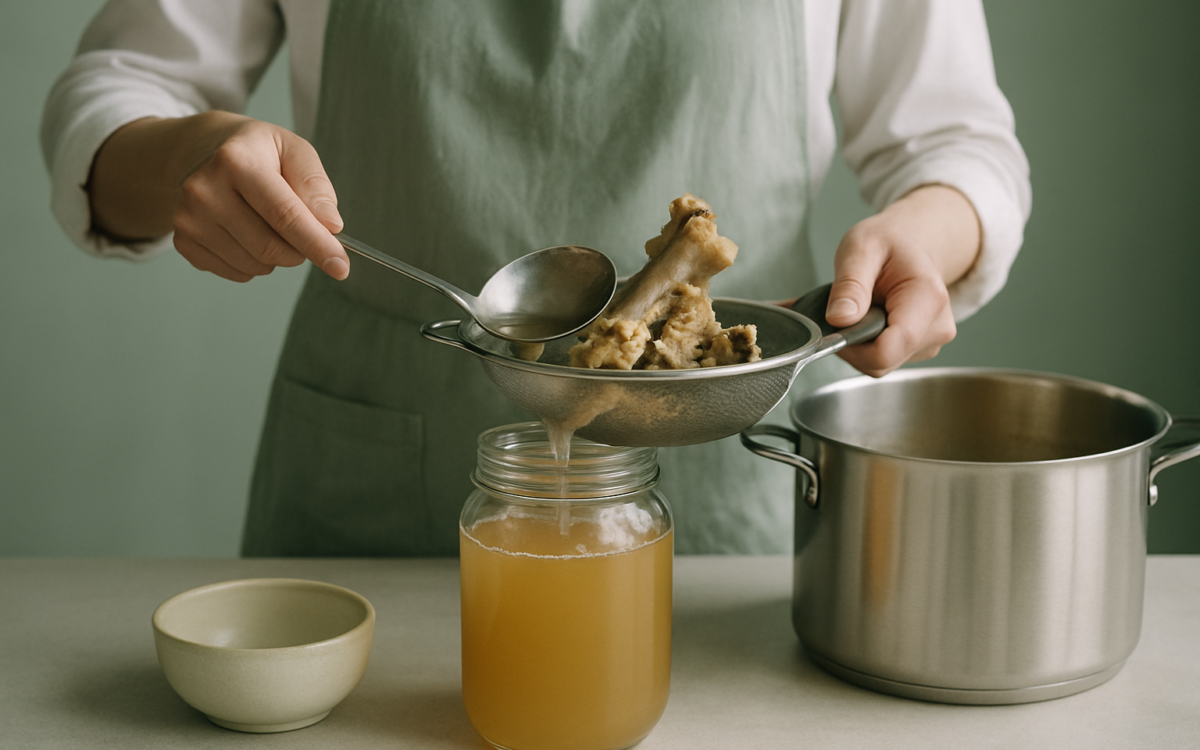
- After cooking, strain the broth through a fine-mesh sieve or cheesecloth into a large bowl or pot. Discard the solids.
- Season your broth with salt and pepper to taste. Feel free to add more herbs or spices, too.
- Let the broth cool, then store it in airtight containers in the fridge or freezer.
This homemade bone broth can be enjoyed on its own or used as a base for soups and stews. It’s a versatile recipe that encourages culinary creativity!
International perspectives on bone broth
Bone broth is not just a staple in Western cuisines. Many cultures around the world have their own versions, each offering unique flavors and benefits. For instance, in Turkey and other parts of the Middle East,
