
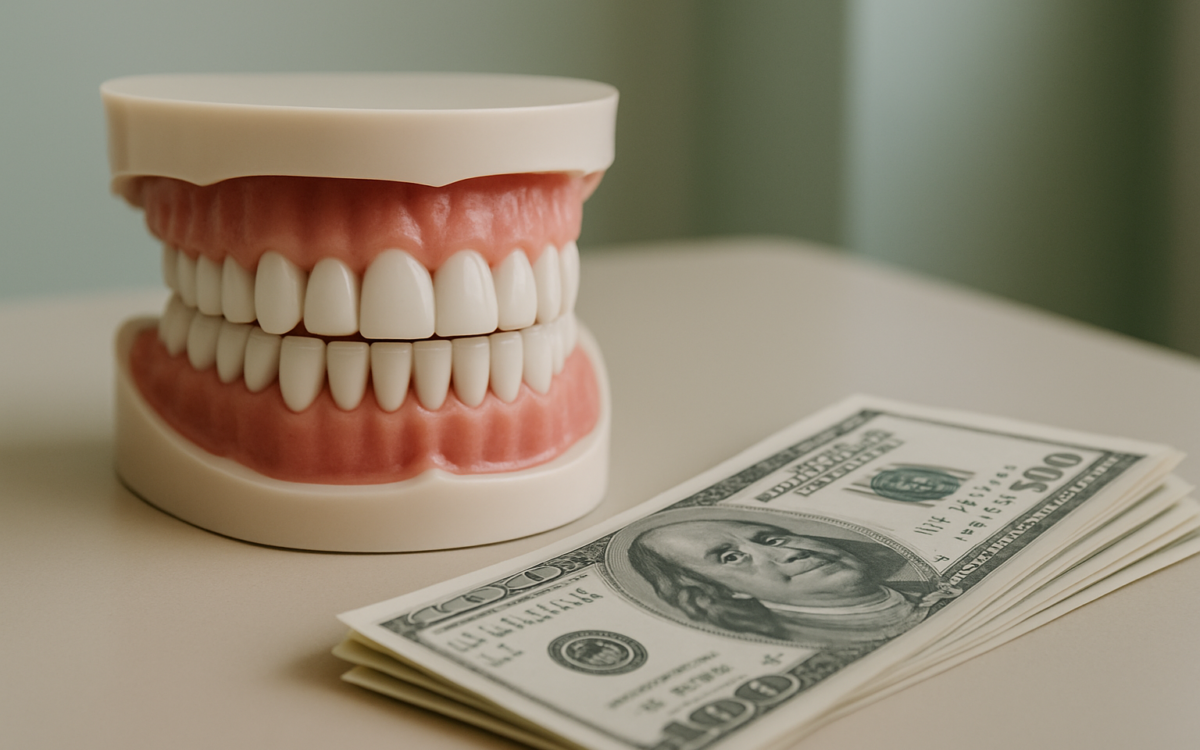
Deciding to pursue full mouth dental implants is a significant step toward regaining your smile and improving your quality of life. However, understanding the cost associated with this procedure is vital for planning and making informed decisions. In this article, we will explore the factors that influence the cost of full mouth dental implants, what to expect during the process, and how to budget for this investment in your oral health.
What Are Full Mouth Dental Implants?
Full mouth dental implants are artificial tooth roots surgically placed in the jawbone to hold replacement teeth or bridges. Unlike traditional dentures, which can be removable, implants offer stability and comfort, making it easier to eat, speak, and smile with confidence. There are different types of implants, including single-tooth implants, partial dentures, and full arch replacements, often utilized in cases of significant tooth loss.
Factors Influencing the Cost of Full Mouth Dental Implants
The cost of full mouth dental implants can vary widely depending on several factors, including:
- Geographic Location: Where you live plays a significant role in the overall cost. Urban areas may have higher dental costs due to increased overhead expenses.
- Extent of Treatment: The complexity of your case, including the need for bone grafts or extractions, can impact the final price.
- Implant Materials: The type and quality of materials used for the implants can differ in price. High-quality titanium alloys may cost more but offer better durability.
- Dental Provider’s Experience: Experienced dentists or specialists in implant dentistry may charge higher fees due to their expertise and training.
- Additional Treatments: Preparatory treatments, such as periodontal therapy or orthodontics, can increase the total cost.
Average Costs for Full Mouth Dental Implants
While costs can vary significantly, the national average for full mouth dental implants typically ranges from $20,000 to $40,000. This price generally includes several components:
- Initial consultations and diagnostics (X-rays, CT scans)
- Implant placement and surgery
- Abutments and crowns or bridges
- Follow-up appointments and care
It’s essential to discuss all costs upfront with your dental provider, as additional services may alter the final price. For a breakdown of expenses, consult sources like the Mayo Clinic.
Payment Options and Financing Solutions
Considering the high cost of full mouth dental implants, many patients seek financing options to manage expenses more effectively. Here are some common strategies:
- Dental Insurance: Some plans cover a portion of implant costs, though many do not cover them entirely. Always check with your insurance provider to understand your benefits.
- Health Savings Accounts (HSAs): If you have an HSA, you can use these funds to pay for qualified medical expenses, including dental procedures.
- Payment Plans: Many dental practices offer payment plans that allow you to spread the cost of treatment over several months or years.
- Third-party Financing: Companies like CareCredit provide healthcare financing options specifically tailored for dental procedures.
Understanding the Long-Term Value of Implants
While full mouth dental implants are a significant upfront investment, they offer long-term benefits that make them worthwhile. Dental implants can last a lifetime with proper care and good oral hygiene, unlike traditional dentures that may require replacement or adjustments over time. Implants also help maintain jawbone density, preventing bone loss and preserving facial structure.
Additionally, many patients find that having implants improves their overall quality of life, boosting their confidence and encouraging them to engage more in social activities. This emotional and psychological benefit can be invaluable and should be considered when weighing the cost of the procedure.
When to See a Dentist
If you are considering full mouth dental implants and have questions or concerns about your dental health or the procedure, it is essential to consult with a dental professional. Timing is crucial, particularly if you have existing dental issues that need addressing before surgery. Early conversations about your needs and options can set the stage for a successful and satisfying treatment experience.
Conclusion
Full mouth dental implants are a transformative solution for those dealing with extensive tooth loss. While the costs can seem daunting, understanding the factors involved, exploring financing options, and recognizing the long-term benefits can make this decision easier. Speak with your dentist to discuss your individual circumstances and develop a plan that works for you, ensuring you can smile with confidence for years to come.
