
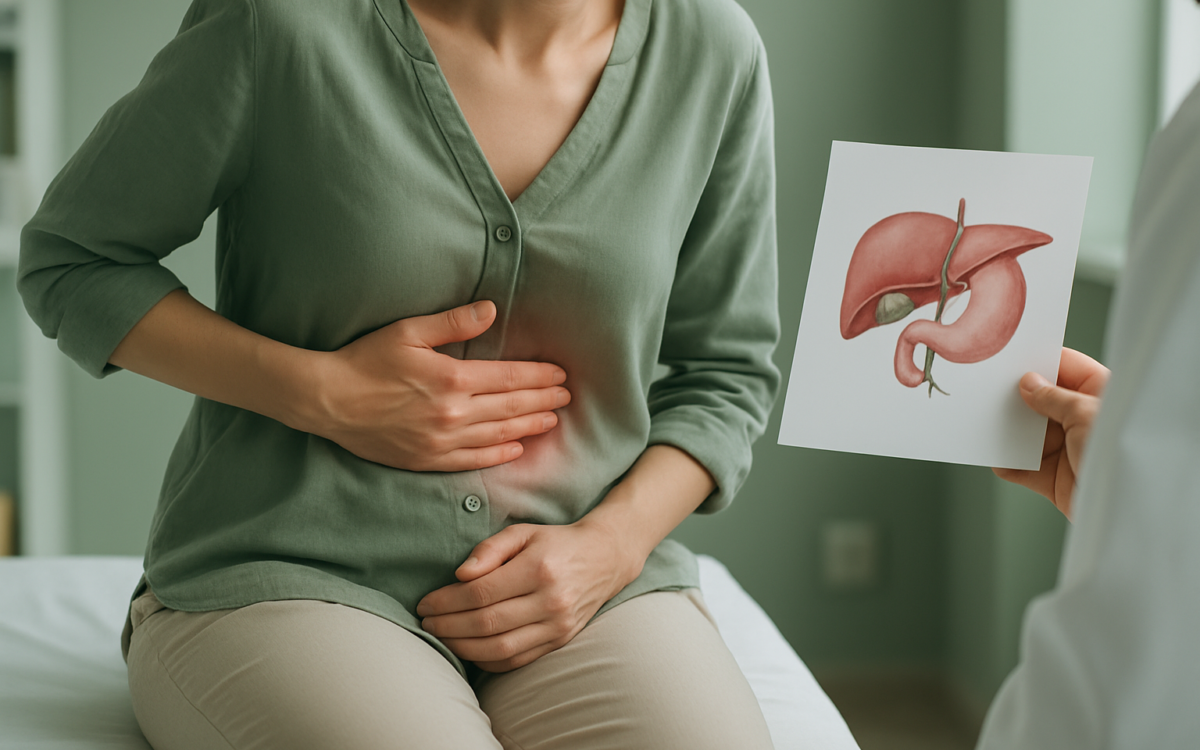
The gallbladder plays a vital role in digestion by storing bile produced by the liver. Bile helps break down fats in the foods we eat. However, when gallbladder issues arise, it can lead to a range of unpleasant symptoms. Understanding the first signs of a bad gallbladder can be key to addressing potential problems early and maintaining overall digestive health.
Understanding Gallbladder Function
The gallbladder is a small pouch located beneath the liver. It stores bile, which is released into the small intestine to aid in digestion, particularly when we consume fatty foods. Common gallbladder issues include gallstones, inflammation (cholecystitis), and functional disorders. Recognizing early signs of these conditions can help individuals take prompt action.
Common Early Symptoms
Identifying the initial signs of gallbladder problems is crucial for early intervention. Here are some of the most common symptoms to watch for:
- Abdominal Pain: One of the first signs of gallbladder trouble is pain in the upper right or center of the abdomen. This discomfort can vary in intensity and may be felt after eating a fatty meal. People often describe it as a sharp or cramping sensation.
- Bloating: After meals, especially those high in fat, some individuals may experience bloating. This can lead to feelings of fullness, discomfort, or pressure in the abdomen.
- Nausea or Vomiting: A persistent feeling of nausea, especially after eating, can indicate gallbladder issues. In some cases, this may result in vomiting.
- Indigestion: Frequent indigestion or dyspepsia, characterized by uncomfortable feelings of fullness, heartburn, or stomach upset, may also signal gallbladder problems.
Changes in Bowel Habits
Changes in bowel movements can also serve as a warning sign of gallbladder dysfunction. Some individuals may notice:
- Pale Stools: If bile flow is obstructed, stools may appear pale or clay-colored. This is because bile gives stool its normal brown color.
- Dark Urine: Conversely, dark-colored urine can suggest that bile is not reaching the intestines, as it may be reabsorbed back into the bloodstream.
If you notice these changes, it is wise to consult a healthcare provider.
Digestive Discomfort After Eating
People with gallbladder issues often report increased digestive discomfort after consuming certain foods. You might find that:
- Fatty Foods: High-fat meals may trigger gallbladder pain or discomfort. This reaction occurs because the gallbladder has to work harder to release bile to digest the fat.
- Other Triggers: Besides fats, some individuals may become intolerant to spicy foods, caffeine, or other types of food, leading to digestive distress.
Other Symptoms to Consider
While the above symptoms are common, there are other signs that could indicate gallbladder problems:
- Jaundice: This condition is characterized by yellowing of the skin and eyes, which occurs when there is an excess of bilirubin in the blood, often a result of gallbladder or liver problems.
- Fever or Chills: If you have a fever accompanied by abdominal pain, it could indicate an infection or inflammation of the gallbladder, such as cholecystitis.
- Itching: Unexplained itching could be a sign of bile duct obstruction, leading to jaundice.
If you experience any of these symptoms, especially in combination with others, it is important to seek medical advice.
Risk Factors for Gallbladder Problems
Knowing your risk factors can help you stay vigilant about potential gallbladder issues. Some common risk factors include:
- Obesity: Being overweight can increase the risk of developing gallstones.
- Age: The likelihood of gallbladder problems increases with age.
- Gender: Women are at higher risk, particularly during pregnancy or if they use hormone replacement therapy.
- Diet: A diet high in fat, cholesterol, and carbohydrates may increase the risk of gallstones.
- Family History: A family history of gallbladder problems can also elevate your risk.
When to See a Doctor
If you notice any of the symptoms discussed, especially if they persist or worsen, it’s important to consult a healthcare professional. Seek immediate care if:
- You experience severe abdominal pain
- Your skin or eyes turn yellow
- You have a fever with abdominal pain
- You experience sudden, intense nausea or vomiting
Early diagnosis and treatment of gallbladder issues can prevent complications and lead to better health outcomes.
Conclusion
Understanding the first signs of gallbladder problems is crucial for maintaining your digestive health. Being aware of symptoms like abdominal pain, changes in bowel habits, and digestive discomfort can lead to early detection and treatment. If you observe any concerning signs, don’t hesitate to contact a healthcare provider for further evaluation. Your gallbladder plays an essential role in digestion, and taking care of it is vital for overall well-being. For more information, you can explore resources from the Mayo Clinic and the National Institutes of Health.
