
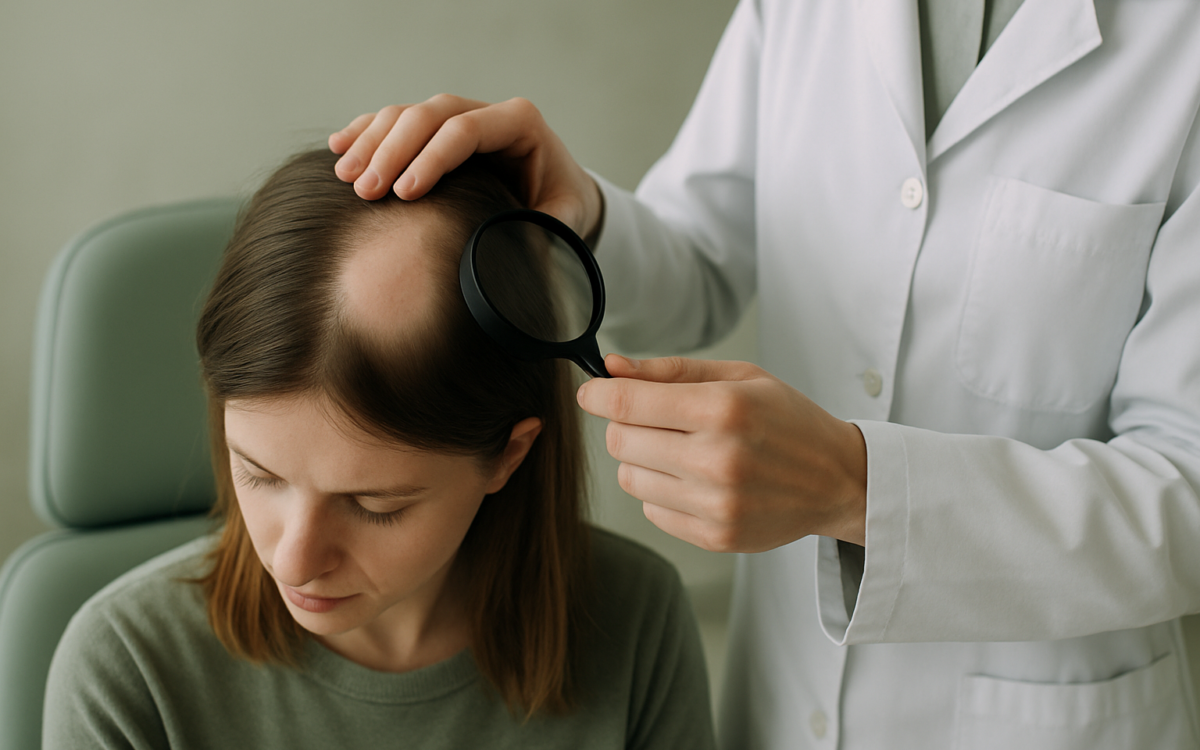
Alopecia, more commonly known as hair loss, can affect men, women, and children alike. The condition can be distressing, leading to feelings of self-consciousness or anxiety about appearance. Understanding the causes of alopecia is the first step in addressing the issue and finding potential solutions. Various factors—ranging from genetics and hormonal changes to lifestyle choices—play a crucial role in the development of this condition.
Genetic Factors: The Role of Heredity
One of the most significant causes of alopecia is genetics. Androgenetic alopecia, often referred to as male or female pattern baldness, is the most common hereditary hair loss condition. It is caused by a combination of genetics and hormonal changes, particularly involving the hormone dihydrotestosterone (DHT). This hormone can shrink hair follicles, leading to shorter hair growth cycles and thinning hair over time.
Family history plays a major role in determining whether someone will experience this type of hair loss. If you have relatives who experienced significant hair loss, chances are you might too. Research published on NIH has shown that specific genes linked to hair loss have been identified, making genetic predisposition a key factor.
Autoimmune Diseases: Alopecia Areata
Alopecia areata is an autoimmune condition that can lead to sudden, patchy hair loss. In this condition, the body’s immune system mistakenly attacks hair follicles, causing hair to fall out in distinct patches. While the exact cause of alopecia areata is not fully understood, it is believed that a combination of genetic and environmental factors may trigger the onset of this autoimmune response.
The Mayo Clinic notes that individuals with a family history of autoimmune diseases, such as thyroid disease, lupus, or vitiligo, may have a higher risk of developing alopecia areata. It can occur at any age, and for some, it may resolve spontaneously, while others may experience recurrent episodes.
Hormonal Changes and Imbalances
Hormones can have a significant impact on hair growth and loss. Conditions such as pregnancy, menopause, and hormonal disorders like polycystic ovarian syndrome (PCOS) can lead to hair thinning or loss. During pregnancy, hormonal changes can lead to thicker hair in some women, while postpartum, the drop in hormones can cause increased hair shedding.
Thyroid problems, including both hypothyroidism and hyperthyroidism, can also result in hair loss. The World Health Organization (WHO) has highlighted the connection between thyroid health and hair conditions, underlining the importance of managing thyroid disorders to promote healthy hair growth.
Stress and Hair Loss: The Connection
While stress might not be a direct cause of alopecia, it can trigger hair loss in individuals who are genetically predisposed to hair loss conditions. Situations of extreme stress, such as a traumatic event or significant life changes, can lead to a type of hair loss known as telogen effluvium. In this condition, the hair follicles prematurely enter the resting phase of the growth cycle, resulting in shedding that typically occurs a few months after the stressful event.
Managing stress through relaxation techniques, exercise, or counseling can help mitigate this type of hair loss. However, the effectiveness of these methods will vary among individuals.
Environmental Factors and Scalp Health
Environmental factors can also play a role in hair loss. Pollution, harsh weather, and certain hairstyles that pull on the hair can contribute to hair thinning. Additionally, scalp health is crucial for maintaining hair growth. Conditions such as dandruff, scalp infections, and damage from chemical treatments can weaken hair follicles and lead to alopecia.
Taking care of your scalp through gentle cleansing, moisturizing, and protective styling can help reduce the risk of hair loss. Avoiding excessive heat or harsh chemicals will also promote healthier hair and the scalp.
Nutritional Deficiencies and Their Impact
A healthy diet is vital for overall hair health. Nutritional deficiencies in vital nutrients such as iron, vitamin D, and biotin can contribute to hair loss. Iron deficiency, in particular, is known to cause hair thinning in both women and men. Ensuring a balanced diet rich in vegetables, lean proteins, and whole grains can help support hair growth.
For those experiencing hair loss, dietary assessments and potential supplementation should be discussed with a healthcare provider to identify any deficiencies that may be contributing to the issue.
When to See a Doctor
If you notice sudden or patchy hair loss, significant thinning, or have concerns about your scalp’s health, it’s essential to consult a healthcare professional. They can help determine the underlying cause of your hair loss and recommend appropriate treatments or lifestyle changes.
Early intervention can lead to better outcomes, so don’t hesitate to reach out for help if you’re experiencing hair loss.
Understanding the various causes of alopecia can empower you to take informed steps towards managing your hair health. Whether it’s addressing genetic factors, managing stress, or ensuring adequate nutrition, being proactive can make a difference.
