
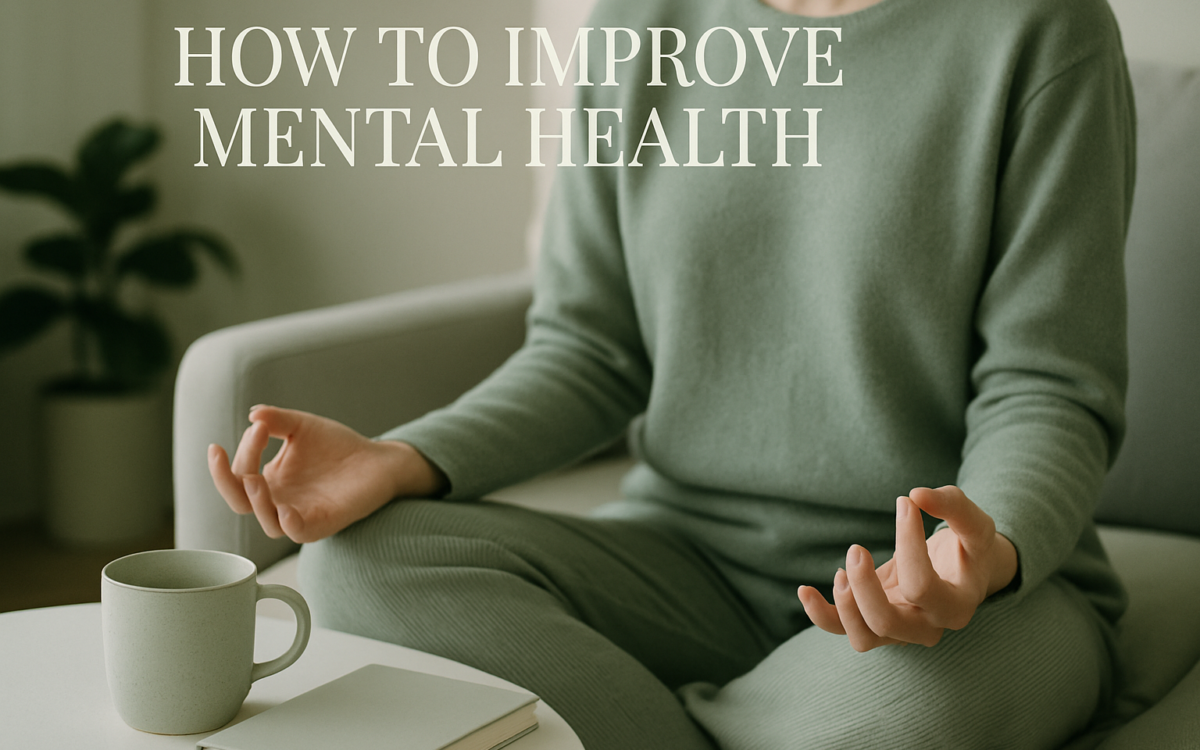
In our fast-paced world, mental health has become an increasingly important topic. With rising levels of stress and anxiety, it’s crucial to focus on ways to improve mental well-being. The good news is that there are numerous effective strategies available, allowing you to take charge of your mental health. Let’s explore some practical steps you can take to nurture your mind and cultivate resilience.
Understand the Importance of Mental Health
Mental health influences how we think, feel, and act. It also plays a significant role in how we handle stress, relate to others, and make choices. Just like physical health, mental well-being is vital for a fulfilling and productive life. Poor mental health can lead to various issues, including anxiety, depression, and trouble in relationships.
Practice Mindfulness and Meditation
Mindfulness and meditation can be powerful tools for improving mental health. Mindfulness involves being present in the moment and acknowledging your thoughts and feelings without judgment. Research from the NIH suggests that practicing mindfulness can help reduce symptoms of anxiety and depression.
Meditation, a related practice, offers a structured approach to calming the mind. Even a few minutes of meditation each day can promote relaxation and a sense of peace. You can find numerous applications and online resources to guide you through mindfulness exercises and meditation sessions.
Establish Healthy Routines
Creating a daily routine can provide structure and stability, which are vital for mental health. Here are some components to consider:
- Regular Sleep: Aim for 7-9 hours of quality sleep each night. Establishing a consistent sleep schedule can greatly impact your mood and energy levels.
- Nutritious Diet: Eating a balanced diet rich in fruits, vegetables, whole grains, and lean proteins can improve your physical and mental health. Certain nutrients, like omega-3 fatty acids, have been shown to support brain health.
- Physical Activity: Exercise releases endorphins, which are natural mood lifters. Aim for at least 30 minutes of moderate exercise most days of the week.
Connect with Others
Strong relationships are vital for mental health. Social connections can act as a buffer against stress and help you feel supported. Make an effort to spend time with friends and family, whether in person or virtually. Sharing your thoughts and feelings with trusted individuals can foster deeper connections.
If you’re looking for international treatment options to improve mental health, Acibadem International offers a range of programs tailored to mental wellness. Exploring diverse viewpoints and strategies from around the world can introduce you to new practices that nurture your well-being.
Develop Coping Strategies
Coping strategies are essential for handling life’s challenges. Whether you’re dealing with stress at work, relationship issues, or personal struggles, having a toolkit of coping mechanisms can help. Here are some strategies to consider:
- Journaling: Writing about your thoughts and feelings can provide an emotional outlet and help you process what you’re experiencing.
- Deep Breathing: Simple deep-breathing exercises can ground you in stressful moments and revive a sense of calm.
- Hobbies: Engage in hobbies that bring you joy, such as painting, gardening, or playing a musical instrument. These activities can provide a creative outlet and reduce stress.
Seek Professional Support When Needed
Sometimes, the best way to improve your mental health is to seek professional help. Therapists and counselors are trained to assist individuals in navigating their mental health journeys. Therapy sessions can provide you with valuable tools and techniques for coping with life’s challenges.
Whether you’re dealing with major issues like depression and anxiety or just need support during stressful times, professionals can guide you. Don’t hesitate to reach out if you feel overwhelmed—the right support can make a significant difference in your life.
When to See a Doctor
If you’re struggling with persistent feelings of sadness, withdrawal from activities, or difficulty functioning at work or home, it may be time to consult a healthcare provider. It’s essential to seek help if your mental health concerns significantly interfere with your daily life or if you have thoughts of self-harm.
Conclusion
Improving mental health involves several proactive steps, such as practicing mindfulness, establishing healthy routines, and connecting with others. Implementing these strategies can foster resilience and enhance your well-being. Remember, you are not alone. If you find yourself struggling, reaching out for help is a brave and essential step toward a better quality of life.
