
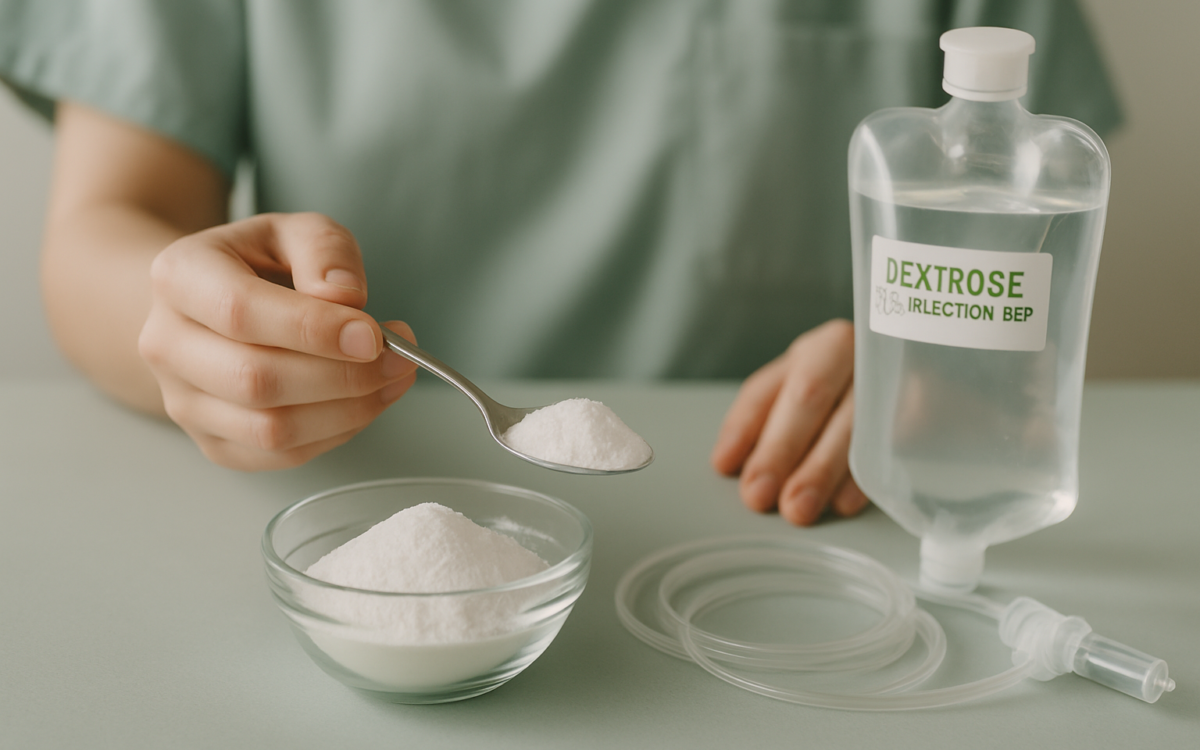
Dextrose, a simple sugar closely related to glucose, often makes its way into our diets and medical treatments. It is a fundamental energy source for our bodies, yet many people may not fully understand what dextrose is or how it affects health. In this article, we’ll explore the origins of dextrose, its applications, and its role in nutrition and healthcare.
What is Dextrose?
Dextrose is a naturally occurring sugar that is classified as a carbohydrate. Chemically, it is identical to glucose, which is a vital source of energy for the body’s cells. The term ‘dextrose’ typically refers to the D-form of glucose, which is more common in nature.
It is primarily derived from corn syrup through the process of hydrolysis, where starch is broken down into simpler sugars. Dextrose has a slightly sweeter taste than table sugar (sucrose) and can be found in various forms, such as powder or syrup.
How Dextrose Is Used
Dextrose plays an essential role in both nutrition and medicine. Here are some of its primary uses:
- Food and Beverages: Dextrose is commonly added to processed foods and beverages as a sweetener. It enhances flavor and can improve texture in baked goods. Because it is easily digestible, it is a preferred choice for quick energy.
- Medical Uses: Dextrose is frequently used in medical settings. Healthcare professionals may administer dextrose intravenously to provide quick energy to patients who cannot eat or drink. It is often included in intravenous fluids for hydration and to prevent low blood sugar levels.
- Sports Nutrition: Athletes often use dextrose in energy drinks and supplements to quickly replenish glycogen stores after intense exercise.
Dextrose and Your Body
Dextrose serves multiple functions in our bodies. Upon consumption, it enters the bloodstream and causes blood sugar levels to rise. Insulin is then released from the pancreas, helping transport glucose into cells where it can be used for energy.
Having a readily available energy source is crucial, especially during physical activity or times of stress. The quick absorption of dextrose makes it ideal for replenishing energy stores quickly. However, excessive intake of dextrose, like any sugar, can lead to health concerns, particularly for individuals with conditions like diabetes.
Health Considerations
While dextrose can be beneficial, it also comes with certain caveats. Here are key health considerations to keep in mind:
- Blood Sugar Levels: For those with diabetes or insulin resistance, consuming dextrose can lead to spikes in blood sugar. Monitoring carbohydrate intake is essential for managing these conditions effectively.
- Weight Management: Dextrose is a source of calories. Regularly consuming high amounts without burning it off can contribute to weight gain.
- Oral Health: Like other sugars, dextrose can contribute to tooth decay if oral hygiene is not maintained.
The Difference Between Dextrose and Other Sugars
While both dextrose and sucrose (table sugar) are sweet, they differ in their structure and how the body processes them:
- Composition: Sucrose is a disaccharide, meaning it consists of two simpler sugars, glucose and fructose. Dextrose, in contrast, is a monosaccharide, meaning it is made up of just one sugar unit.
- Absorption: Dextrose is absorbed more quickly into the bloodstream than sucrose. This rapid absorption makes dextrose an excellent choice for quick energy boosts.
- Impact on Metabolism: Because dextrose leads to quick spikes in blood sugar, it can be a valuable tool for athletes but is less suitable for those looking to manage blood sugar levels.
When to See a Doctor
If you’re experiencing symptoms like frequent fatigue, unusual cravings for sugar, or persistent low energy levels, consider consulting a healthcare professional. They can help assess your overall health and determine if your diet, including sugars like dextrose, could be contributing to these issues.
Conclusion
Dextrose is more than just a sweetener; it’s a vital carbohydrate that plays an important role in energy production and various health contexts. Understanding its benefits and drawbacks can help you make informed dietary choices. Whether you encounter dextrose in a food label or medical setting, being aware of what it does can empower you to manage your health better.
For more information on carbohydrates and their effects on health, consider visiting reputable sources like the National Heart, Lung, and Blood Institute or the World Health Organization.
