
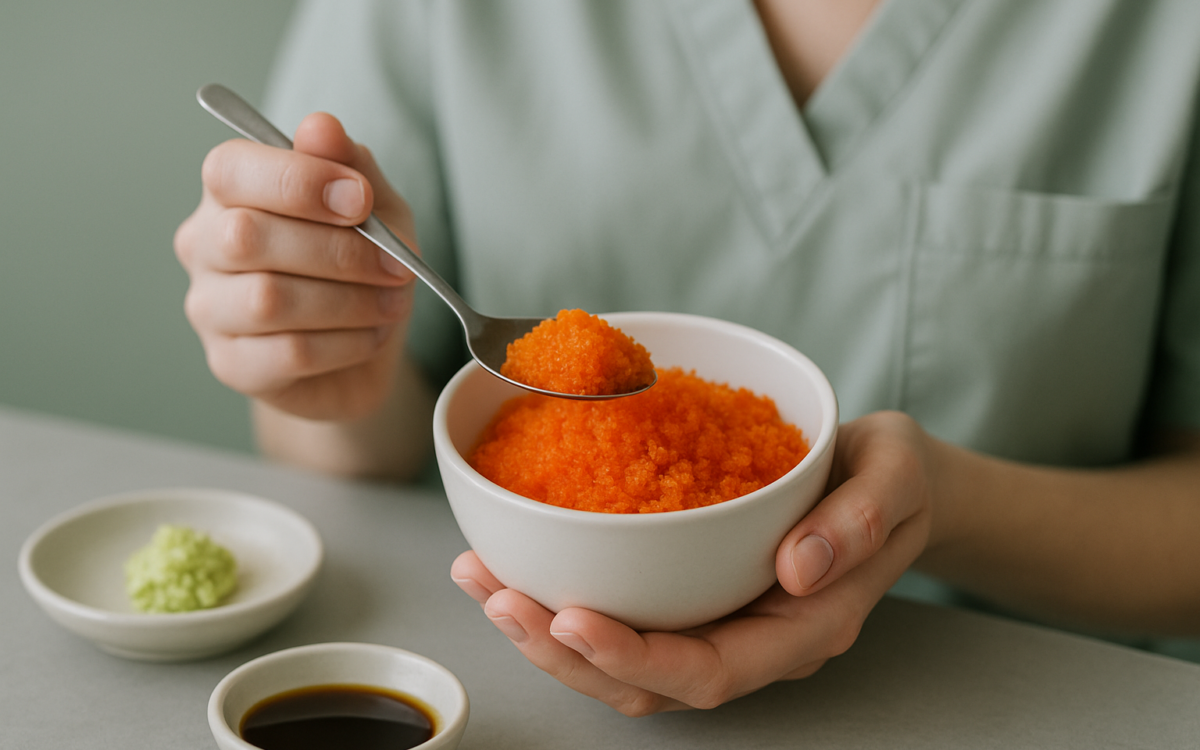
If you’ve ever enjoyed sushi or sashimi, you might have come across a delightful topping called masago. Often mistaken for its more famous cousin, ikura, this unique ingredient is gaining popularity in culinary dishes around the world. But what exactly is masago, and why is it becoming a staple in many recipes? Let’s dive into the world of this fascinating food.
What Is Masago?
Masago refers to the roe (eggs) of the capelin fish, a small fish commonly found in the Arctic and North Atlantic Oceans. The eggs are typically small, ranging from 0.5 to 1.0 millimeters in diameter, and have a distinct orange or yellowish hue. They are often used as a garnish in various dishes, especially in Japanese cuisine.
The Origins and Harvesting of Masago
Masago is typically harvested during the fishing season from late winter to early spring. The fishing practices significantly influence the availability and quality of the roe. Sustainable fishing practices are vital to ensure that capelin populations are maintained and that the ecosystem remains balanced. The eggs are usually processed, salted, and sometimes flavored before reaching consumers.
Culinary Uses of Masago
Masago serves various culinary purposes. Here are some common uses:
- Sushi Topping: Masago is often used as a vibrant topping for sushi rolls, adding a burst of flavor and a pleasing crunch.
- Garnish: It can be sprinkled over various dishes, such as salads or soups, to enhance the presentation and add a salty flavor.
- In Sauces: Masago is sometimes blended into mayonnaise or aioli to create a unique dipping sauce for seafood dishes.
- Flavor Enhancer: The briny flavor of masago can elevate seafood dishes, shrimp cocktails, or potato salads.
Nutritional Benefits of Masago
Masago isn’t just a tasty addition to your meal; it’s also packed with nutrients. Here are some health benefits associated with consuming masago:
- High in Omega-3 Fatty Acids: Masago is a good source of omega-3 fatty acids, which are essential for heart health. Studies suggest that omega-3s can reduce the risk of heart disease and support brain function (NIH).
- Rich in Protein: It contains a significant amount of protein, which is crucial for muscle repair and growth.
- Vitamins and Minerals: Masago provides essential vitamins and minerals, including vitamin B12 and selenium, both important for metabolic processes in the body.
Is Masago Safe to Eat?
For most people, consuming masago is safe. However, there are a few considerations to keep in mind:
- Allergies: If you’re allergic to seafood, it’s essential to avoid masago, as it can trigger allergic reactions.
- Allergic Reactions: Some individuals may have sensitivities to fish products. If you’re unsure about your tolerance, consulting a healthcare provider is wise.
- Mercury Content: Like many fish products, masago can contain trace levels of mercury, which may pose a risk if consumed in large quantities. It’s best to enjoy in moderation.
Environmental Concerns
As the demand for masago increases, so do concerns regarding the sustainability of its harvesting. Overfishing can lead to a decline in capelin populations, affecting the marine ecosystem. Consumers are advised to seek products that come from sustainable sources. Look for certifications or labeling that indicate responsible fishing practices.
When to See a Doctor
If you experience any allergic reactions after consuming masago, such as difficulty breathing, swelling, or skin irritations, seek medical attention promptly. Consulting a healthcare professional is also advisable if you have any dietary restrictions or underlying health conditions that might be affected by consuming seafood.
Ultimately, masago can be a delightful addition to your culinary repertoire, bringing both taste and nutrition. The next time you enjoy sushi or seafood, consider adding this exquisite roe for a touch of sophistication and richness.
