
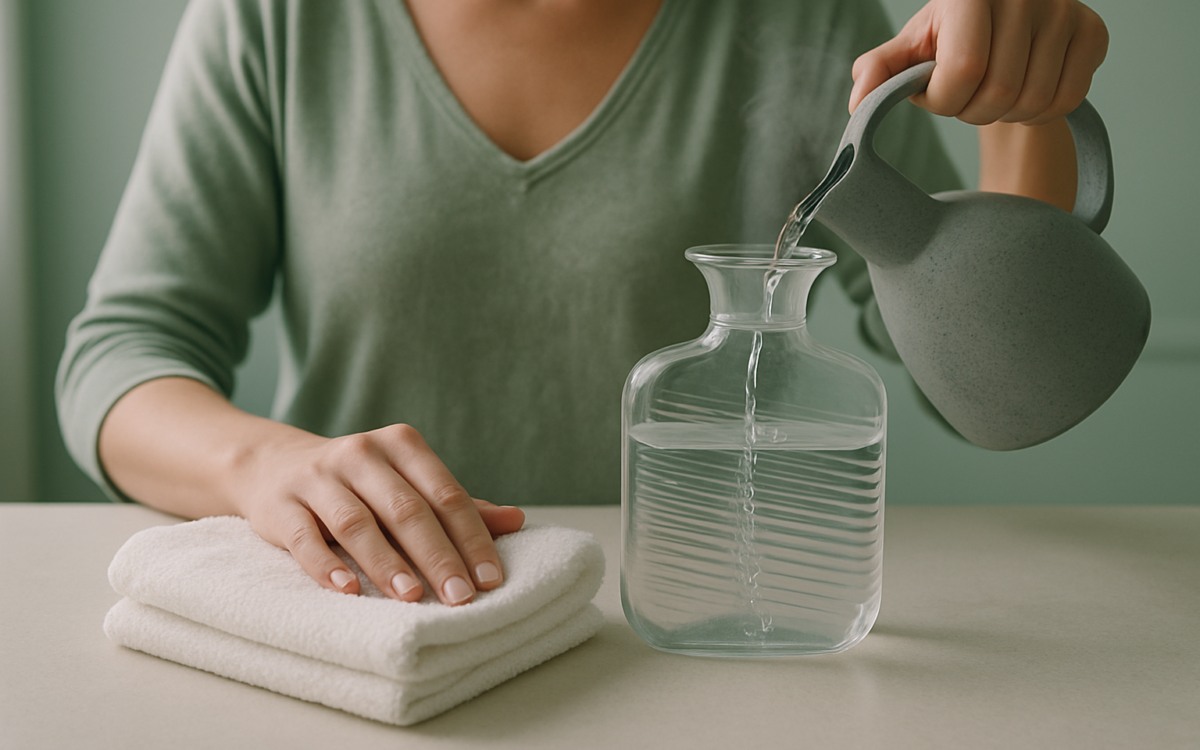
When you’re feeling discomfort from aches, pains, or tension, a warm compress can be a simple yet effective home remedy. Made from easily accessible materials, this treatment harnesses the soothing powers of heat to promote healing, relaxation, and comfort. Whether it’s for a sore muscle, a headache, or menstrual cramps, knowing how to make and use a warm compress can provide significant relief without the need for medications.
What is a Warm Compress?
A warm compress is simply a cloth that has been warmed and then applied to a specific part of the body. The heat can help improve blood flow, ease muscle tension, and promote relaxation. Warm compresses can be helpful in treating a wide variety of conditions, including:
- Sore muscles
- Joint pain
- Menstrual cramps
- Sinus infections
- Eye strain or discomfort
How to Make a Warm Compress
Making a warm compress is straightforward, requiring just a few household items. Here are two simple methods: the towel method and the rice bag method.
Using a Towel
This method is ideal for covering larger areas of the body, such as the back or abdomen.
- Gather Your Supplies: You will need a clean towel and a bowl of hot water. Avoid boiling water, as it can cause burns.
- Heat the Towel: Dip the towel into the hot water, making sure it’s saturated. Wring it out to remove excess water, leaving it damp, not dripping.
- Check the Temperature: Always test the towel’s temperature on your wrist before applying it. It should feel warm but not scalding.
- Apply the Compress: Place the towel over the affected area for 15-20 minutes. You can reheat it as needed.
Creating a Rice Bag Compress
A rice bag compress is great for targeted relief and can stay warm longer.
- Gather Your Supplies: You will need a clean sock and uncooked rice. Optional: a few drops of essential oil for added relaxation.
- Fill the Sock: Pour uncooked rice into the sock, filling it about two-thirds full. If desired, add a few drops of essential oil to enhance the experience.
- Seal the Sock: Tie a knot at the open end of the sock to secure the rice inside.
- Heat the Rice Bag: Place the rice bag in the microwave for 30-second intervals until it reaches the desired temperature. Make sure to monitor it closely to prevent overheating.
- Apply the Compress: Place the heating pad on the painful area for 15-20 minutes.
Using a Warm Compress Safely
While warm compresses are generally considered safe for most people, it’s essential to use them wisely to avoid burns or discomfort:
- Always check the temperature before using a warm compress.
- Limit application to no longer than 20 minutes at a time.
- Use a barrier, like a thin cloth, if you experience sensitivity to heat.
- Avoid using warm compresses over broken skin or open wounds.
When to Use a Warm Compress
Warm compresses can be beneficial for various conditions:
- Muscle and Joint Pain: Gentle heat can help ease stiffness and improve mobility.
- Menstrual Cramps: The warmth can soothe pain and relax muscles.
- Sinus Congestion: Applying warmth to the sinuses can help relieve pressure.
- Eye Strain: A warm compress can alleviate strain from long hours in front of a computer.
In cases where you may need more specialized treatments, especially when traveling internationally, consider looking into international patient services for assistance and guidance.
When to See a Doctor
While warm compresses can provide substantial relief, some conditions may require professional evaluation. You should consult a doctor if:
- The pain persists or worsens despite using a warm compress.
- You notice swelling, redness, or warmth around the affected area.
- You experience severe or unexplained pain, especially after an injury.
- There are any other concerning symptoms, such as fever or nausea.
Conclusion
Making and using a warm compress is a straightforward process that can yield significant relief for a range of discomforts. By understanding how to create one safely, you can empower yourself to address pain and tension with a simple home remedy. Always remember to listen to your body, and when in doubt, seek the guidance of a healthcare professional.
