
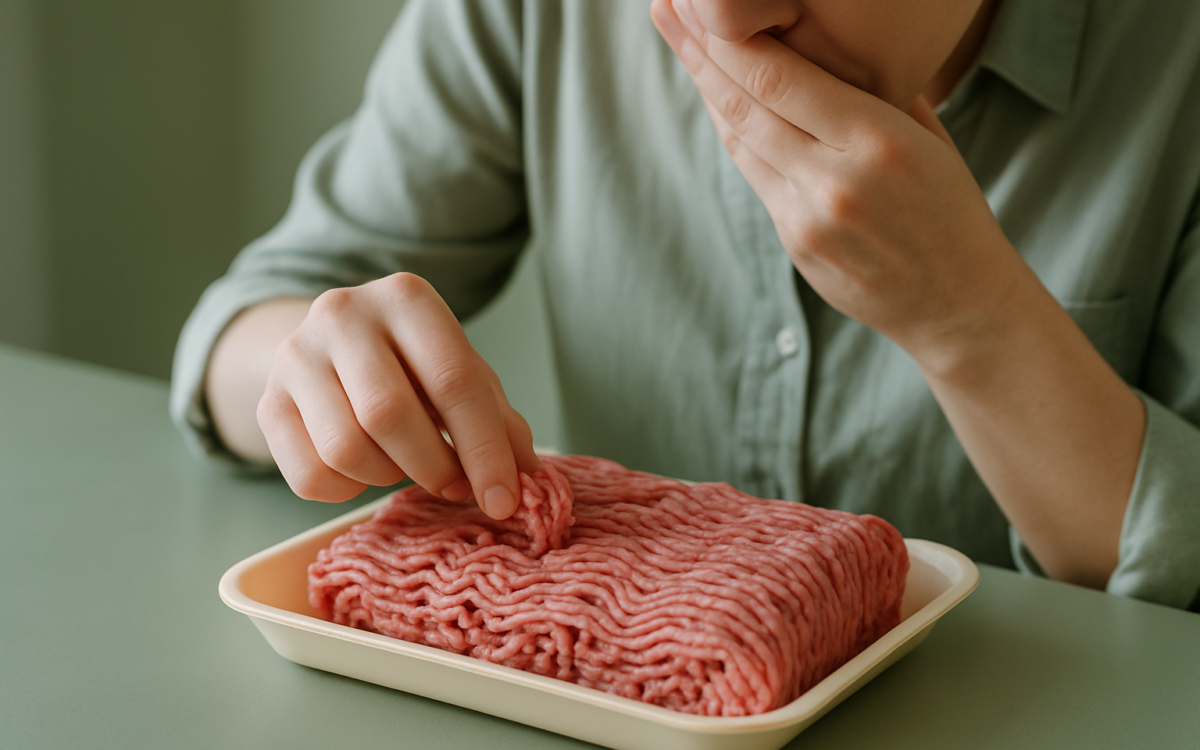
Ground beef is a staple in many kitchens, loved for its versatility and ease of preparation. However, improper handling or storage can lead to spoilage, which could cause foodborne illnesses. Knowing how to identify bad ground beef is essential for ensuring you and your loved ones stay safe and healthy. Let’s explore the signs of spoilage, safe storage practices, and key tips on keeping your ground beef fresh.
Understanding spoilage: Why ground beef can go bad
Ground beef, like any other meat, can spoil over time due to a variety of factors including bacterial growth, oxidation, and improper storage. When the meat is exposed to air and varying temperatures, it becomes more susceptible to spoilage. Understanding these aspects can help you maintain its freshness for a longer period.
Signs that ground beef has gone bad
Identifying bad ground beef can be straightforward, but it requires your attention to a few key signs. Here are the most common indicators:
1. Color Changes
- Bright red: Fresh ground beef typically has a bright red color, which indicates freshness.
- Brownish or grayish hue: As beef starts to spoil, it may turn brown or gray. While color changes alone do not necessarily mean the meat is bad, it’s an important factor to consider.
2. Unpleasant Odor
One of the most significant indicators of spoiled ground beef is its smell. Fresh beef has a mild, meaty scent. If your ground beef emits a sour or rancid odor, it’s best to discard it. Bacteria that cause spoilage release unpleasant gases that can create foul smells.
3. Texture Tells
Take a moment to feel the ground beef. Fresh meat should be firm and slightly moist but not sticky or slimy. If the surface is tacky or has sticky residue, it may be a sign that bacteria are multiplying, and it’s best to err on the side of caution.
How to store ground beef for maximum freshness
Proper storage is key to extending the shelf life of ground beef:
- Refrigeration: Store ground beef in the refrigerator if you plan to use it within 1-2 days. Keep it in its original packaging, or rewrap it tightly in plastic wrap or aluminum foil.
- Freezing: For longer storage, freeze the ground beef. It’s best to wrap it tightly in freezer-safe bags to prevent freezer burn and maintain quality. Frozen ground beef can last up to four months in the freezer.
- Thawing: Thaw ground beef in the refrigerator or a microwave if you plan to cook it immediately. Avoid refrigerating thawed meat for more than a couple of days.
Safe handling practices for ground beef
To keep ground beef safe and reduce the risk of contamination, follow these handling tips:
- Wash hands and surfaces: Always wash your hands before and after handling raw meat. Clean surfaces and utensils used for preparation with hot, soapy water.
- Avoid cross-contamination: Use separate cutting boards for raw meats and other foods to prevent the spread of harmful bacteria.
- Cook to safe temperatures: Ground beef should be cooked to an internal temperature of 160°F (71°C) to ensure that any harmful bacteria are killed. Use a food thermometer to check the temperature accurately.
What to do if you suspect your ground beef is bad
If you suspect your ground beef may have spoiled, it’s best not to take any chances. Discard it if you notice any signs of spoilage. Consuming spoiled meat can lead to foodborne illnesses, which can be severe. If you experience symptoms like nausea, vomiting, diarrhea, or abdominal cramps after eating ground beef, consult your healthcare provider.
When to see a doctor
If you develop food poisoning symptoms after consuming ground beef or suspect you have ingested spoiled meat, it’s important to seek medical attention, especially if symptoms are severe or persistent. High fever, dehydration, or prolonged symptoms warrant a return visit to a healthcare professional. For more information on food safety and symptoms to watch for, resources such as the CDC provide valuable guidelines.
Keeping your ground beef fresh and safe to eat is crucial for good health. By regularly checking for signs of spoilage, storing it properly, and adhering to safe handling practices, you can enjoy this popular ingredient without worry. Remember: when in doubt, it’s always better to throw it out!
