
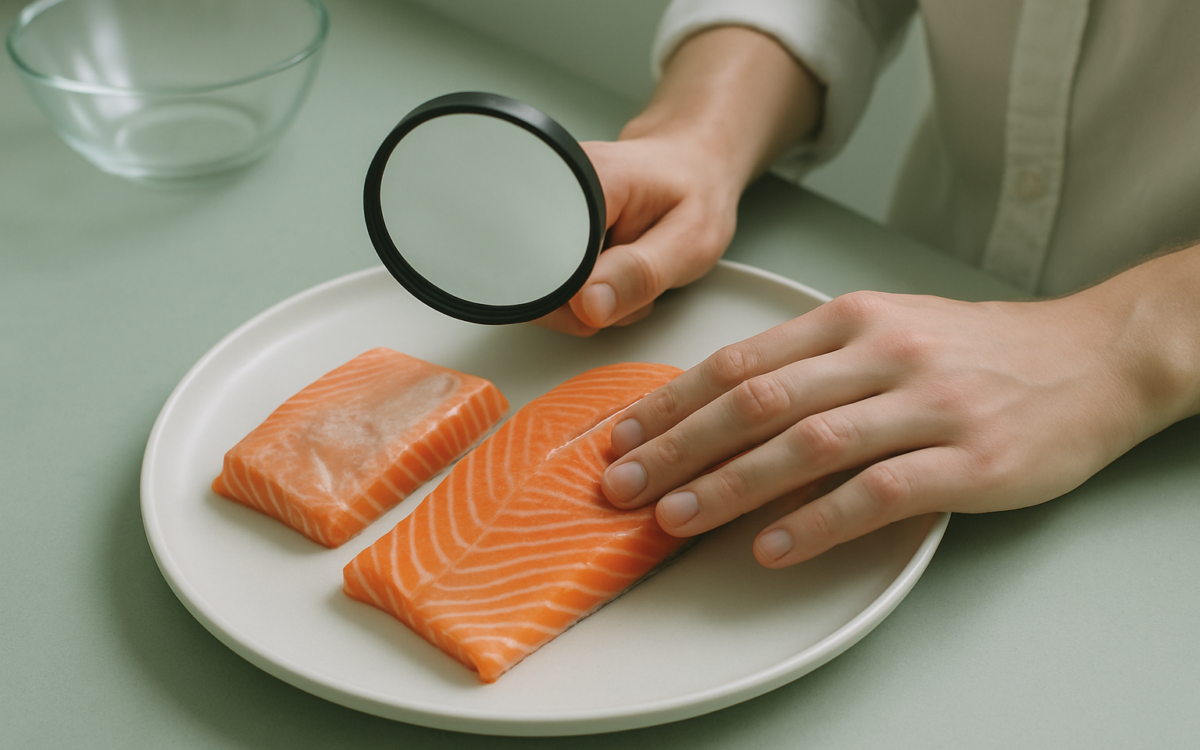
Salmon is one of the most popular fish around, celebrated for its rich flavor and nutritional benefits. However, like any seafood, it can go bad if not stored or handled properly. Knowing how to tell if salmon is bad is essential not just for making sure your meal is delicious, but also for your health.
Understanding Salmon Freshness
Fresh salmon is moist, firm, and rich in color, typically ranging from light pink to deep red. To ensure that you’re consuming safe salmon, it’s important to understand what to look for to tell if it’s fresh or spoiled.
Visual Inspection
The first step in assessing the quality of salmon is a thorough visual inspection. Here are key signs to help you determine if it’s bad:
- Color: Fresh salmon should have a vibrant color. Look for a bright hue; dull or faded coloring may indicate aging.
- Surface: Check for a moist surface. If the fish looks dried out or has a film over it, that’s a sign it might not be fresh.
- Eyes: For whole salmon, the eyes should be bright and clear, not cloudy or sunken.
Smell Test
Next, rely on your sense of smell. Fresh salmon has a mild scent, reminiscent of the sea. If you notice any sour, ammonia-like, or overly fishy odors, it’s best to discard it. Fish that smells off is generally an indicator of spoilage.
Texture Check
The texture of the salmon can also provide clues about its freshness. Fresh salmon should be firm to the touch and should spring back when pressed. If the fish feels mushy or leaves an indentation when you touch it, that’s a sign it may be spoiled.
Understanding Expiration Dates
When purchasing salmon, pay close attention to expiration dates. Here’s what you need to know:
- Sell-by Date: This date suggests how long the product should remain on the shelf in a store. It’s a good idea to consume salmon before this date.
- Use-by Date: This is the last date recommended for the use of the product while ensuring its peak quality. Always follow this date for perishable items.
Safe Storage Practices
Proper storage is crucial to maintaining the quality of your salmon. Here are some tips for keeping your fish fresh:
- Refrigeration: Store salmon in the coldest part of your refrigerator, preferably at a temperature of 32°F to 39°F (0°C to 4°C).
- Freezing: If you won’t eat the salmon within a couple of days, freeze it. Wrap it tightly in plastic wrap or place it in airtight containers to prevent freezer burn.
- Use within recommended time: Fresh salmon should be consumed within 1-2 days after purchase, while frozen salmon is best used within 2-3 months.
Recognizing Foodborne Illness
Even when you’re careful, consuming bad salmon can lead to foodborne illness. Common symptoms include:
- Nausea
- Vomiting
- Diarrhea
- Stomach pain
- Fever
These symptoms can appear within hours or even days after consumption, depending on the type of bacteria present. If you suspect you have eaten spoiled salmon and experience severe symptoms, it’s crucial to seek medical attention.
When to See a Doctor
Consult your doctor if you experience persistent symptoms such as severe abdominal pain, prolonged vomiting, or diarrhea lasting more than two days. Seeking medical advice is especially important for vulnerable populations, including pregnant women, elderly individuals, and those with compromised immune systems. The CDC provides further information on food safety practices that can help minimize your risk here.
Conclusion
Being able to tell if salmon is bad is a key component of food safety and ensuring delicious meals. Regularly check for signs of spoilage through visual inspection, smell, and texture, while also adhering to expiration dates and proper storage practices. By being mindful of these points, you can enjoy salmon with confidence, knowing that you’re prioritizing your health and well-being.
