
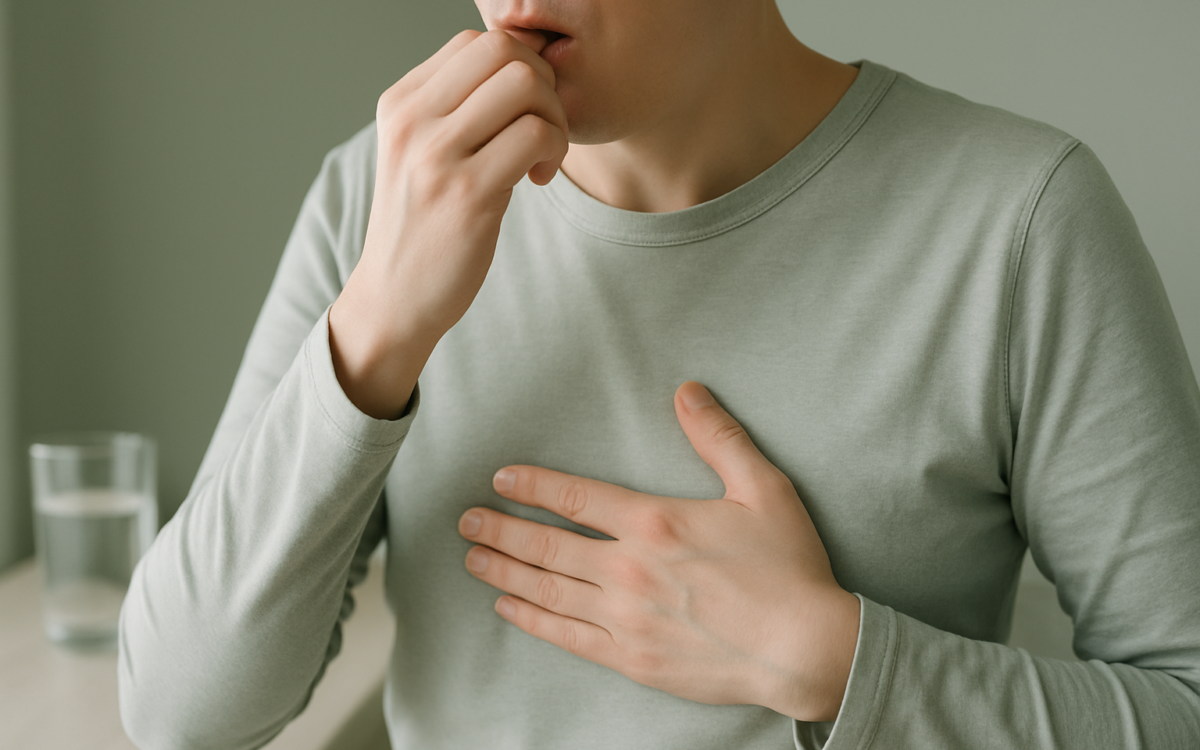
Many people experience discomfort from trapped gas or a full stomach, and sometimes a simple burp can provide that much-needed relief. But what if you’re struggling to burp? Whether it’s due to eating too quickly, drinking carbonated beverages, or just one of those days when air gets trapped in your stomach, there are several techniques to help encourage a burp. In this article, we’ll explore various methods to help you find that satisfying release.
Understanding the Need to Burp
Burping, also known as belching, is a natural bodily function that helps release air that has been swallowed during eating or drinking. While it’s completely normal to burp occasionally, excessive burping can sometimes indicate digestive issues. Understanding why you need to burp can help you address the discomfort and find faster relief.
Stay Hydrated with Carbonated Drinks
One of the simplest ways to trigger a burp is to consume carbonated beverages. The bubbles in soda or sparkling water can create gas in your stomach, making it easier to burp. Here are a few tips:
- Choose Your Drink Wisely: Opt for lightly carbonated beverages, as strong carbonation might lead to bloating.
- Take Small Sips: Drinking slowly can help you manage the carbonation and reduce the chances of discomfort.
- Don’t Mix Flavors: Stick to one type of carbonated drink at a time to avoid overwhelming your stomach.
While carbonated drinks are a temporary solution, it’s important to remember moderation, especially with sugary sodas, which can have other health implications. Check out resources from the CDC for more information on healthy beverage choices.
Utilize Posture and Movement
Your body position can significantly affect your ability to burp. Sometimes, changing how you sit or moving around a bit can help release trapped air:
- Sit Up Straight: Good posture can ease the pressure in your stomach, making it easier for gas to escape.
- Lean Forward: Slightly leaning forward while seated may help create space in your abdomen.
- Walk Around: Gentle movement, like taking a short walk, can stimulate digestion and promote burping.
While physical movement can aid gas relief, always listen to your body to avoid discomfort.
Eating and Drinking Habits Matter
How you consume food and drinks can significantly affect how much air you swallow. Adjusting these habits may promote easier burping:
- Eat Slowly: Take your time when eating to minimize the amount of air swallowed with your food.
- Avoid Chewing Gum: Gum can lead to swallowing extra air, which may contribute to bloating.
- Limit Straws: Drinking through a straw can also increase the amount of air you take in.
Making these changes not only helps with burping but can also improve overall digestive health. For more tips, consider checking resources like the Mayo Clinic.
Try Gentle Abdominal Massage
A gentle massage of your abdomen can help move trapped air along the digestive tract, encouraging burping. Here’s how you can do it:
- Use Circular Motions: Use your fingertips to massage your abdomen in circular motions, starting from your lower right abdomen and moving upwards and across.
- Apply Light Pressure: Don’t press too hard; a gentle touch is more effective.
- Incorporate Deep Breathing: Combine the massage with deep breathing to relax your abdomen and stimulate digestive movement.
Always listen to your body and stop if you feel any pain or discomfort.
Foods and Natural Remedies to Promote Burping
Some foods and natural remedies may also support digestion and promote burping:
- Ginger: Known for its digestive properties, ginger can be consumed as tea or added to meals.
- Herbal Teas: Teas made from peppermint or chamomile can relax the digestive tract.
- Warm Water: Sipping on warm water may help ease gas and encourage burping.
Incorporating these natural remedies might provide additional comfort and balance. Remember to consult with a healthcare provider for tailored advice.
When to See a Doctor
Despite the many techniques for inducing a burp, some individuals may experience frequent discomfort or excessive burping. If you notice other symptoms such as severe abdominal pain, changes in bowel habits, or any unusual digestion issues, it may be time to seek medical advice. Professional help is essential to rule out underlying health conditions. Always consult your doctor if you have concerns about your digestive health or experience chronic discomfort.
For general health queries or digestive issues, you can visit informative sources such as the NIH or consult with healthcare professionals.
Finding effective ways to burp can help ease discomfort and improve your overall well-being. By using these techniques, you can take control of your digestive health. Always remember to listen to your body and consider consulting a healthcare professional if you have persistent issues.
