
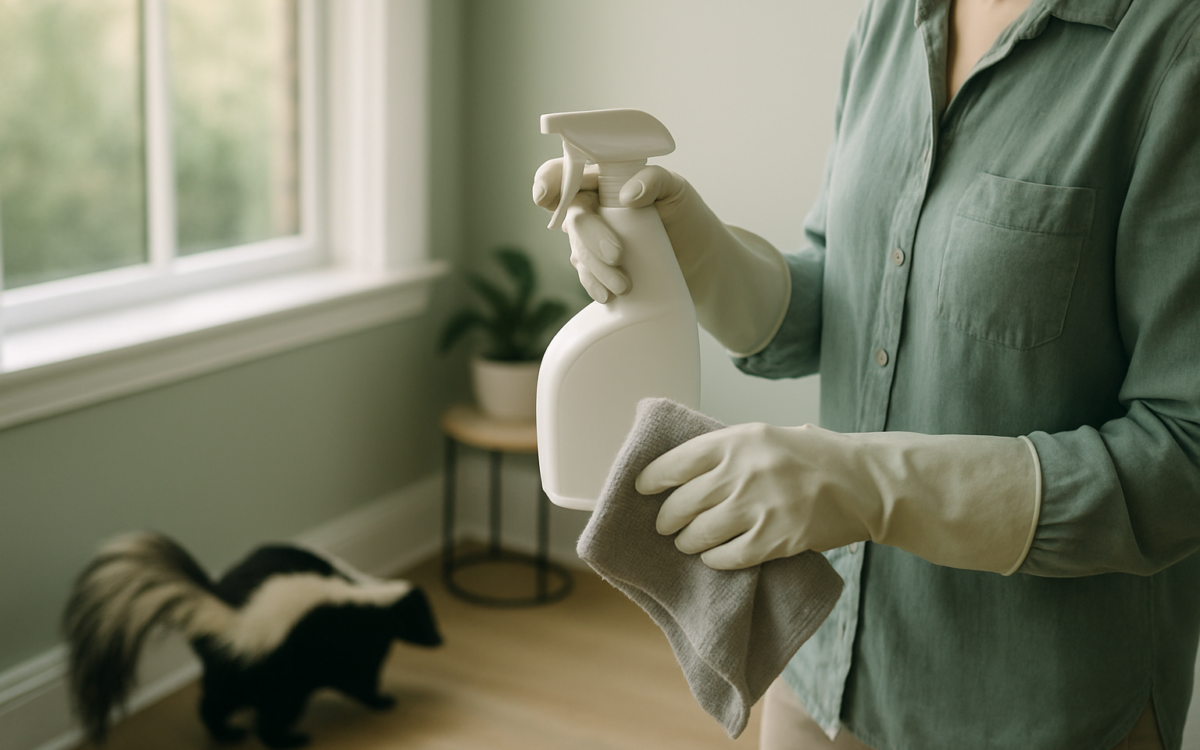
Encountering a skunk can lead to an unusual and unpleasant situation: the unmistakable smell of skunk spray. If you’ve had a run-in with one of these critters and now find that your home is permeated with the odor, fear not! With the right approach, you can eliminate the smell and restore freshness to your living space.
Understanding Skunk Odor
The first step in addressing skunk smell is knowing what you’re dealing with. Skunk spray primarily contains sulfur compounds, which produce a powerful and distinctive odor that can linger in the environment. This odor can be particularly strong indoors, where it may become trapped in fabrics, walls, and other surfaces, making it challenging to eliminate.
Initial Cleanup Steps
Before diving into deeper cleaning methods, it’s essential to tackle the source of the odor directly. Here’s what you should do:
- Ventilate the Space: Open windows and doors to allow fresh air to circulate, helping to dissipate the odor.
- Spray Water: Use a mixture of water and mild dish soap to clean surfaces that might have come in contact with skunk spray. This can include floors, walls, and furniture.
- Wash Fabrics: Wash any affected fabrics like cushions, curtains, and dog beds using a washing machine with a heavy-duty detergent. Add a cup of baking soda to help neutralize odors.
Homemade Odor Neutralizers
If the smell persists, you may want to try some homemade solutions. Several common household ingredients have odor-neutralizing properties:
Baking Soda
Baking soda is a fantastic natural deodorizer. Sprinkle it liberally on carpets, upholstery, and any other areas that still smell. Allow it to sit for several hours or overnight, then vacuum it up. This can help absorb lingering odors.
Vinegar Solution
A solution of white vinegar and water can also be effective. Mix one part vinegar with three parts water in a spray bottle, then lightly mist the affected areas. The vinegar smell will fade quickly, taking the skunk odor with it.
Hydrogen Peroxide Mixture
For a more robust solution, combine 1 quart of hydrogen peroxide (3%), ¼ cup of baking soda, and 1 teaspoon of dish soap in a spray bottle. Test this solution on a small area first, as it can bleach some fabrics. Spray on affected areas and allow it to sit for at least 10 minutes before rinsing with clean water.
Professional Cleaning Options
If you find that the odor persists despite your best efforts, you may want to consider hiring a professional cleaning service. These experts have access to industrial-grade equipment and specialized products designed to remove tough odors. When selecting a service, ensure they have experience dealing with pet odors or skunk smell specifically.
Prevent Future Incidents
Taking preventative measures can also help you avoid future encounters with skunks:
- Secure Trash Cans: Make sure your garbage bins are securely closed and not easily accessible to skunks.
- Keep Pet Food Indoors: Avoid leaving pet food outside, as it can attract skunks and other wildlife.
- Close Off Hiding Spots: Seal any openings or holes in your home’s exterior to deter skunks from taking up residence under porches or decks.
When to See a Doctor
While skunk spray is primarily a nuisance, exposure to skunk odor can irritate your eyes, nose, and throat. If you experience significant irritation or persistent symptoms after cleaning, it’s advisable to consult with a healthcare provider to rule out any underlying issues. For more information on managing irritants, visit NIH.
Conclusion
Eliminating skunk smell from your home can be a daunting task, but with effective cleaning strategies and preventative measures in place, you can restore freshness to your living space. Don’t let the smell linger—act quickly, and you can reclaim your home from this unwelcome odor!
