
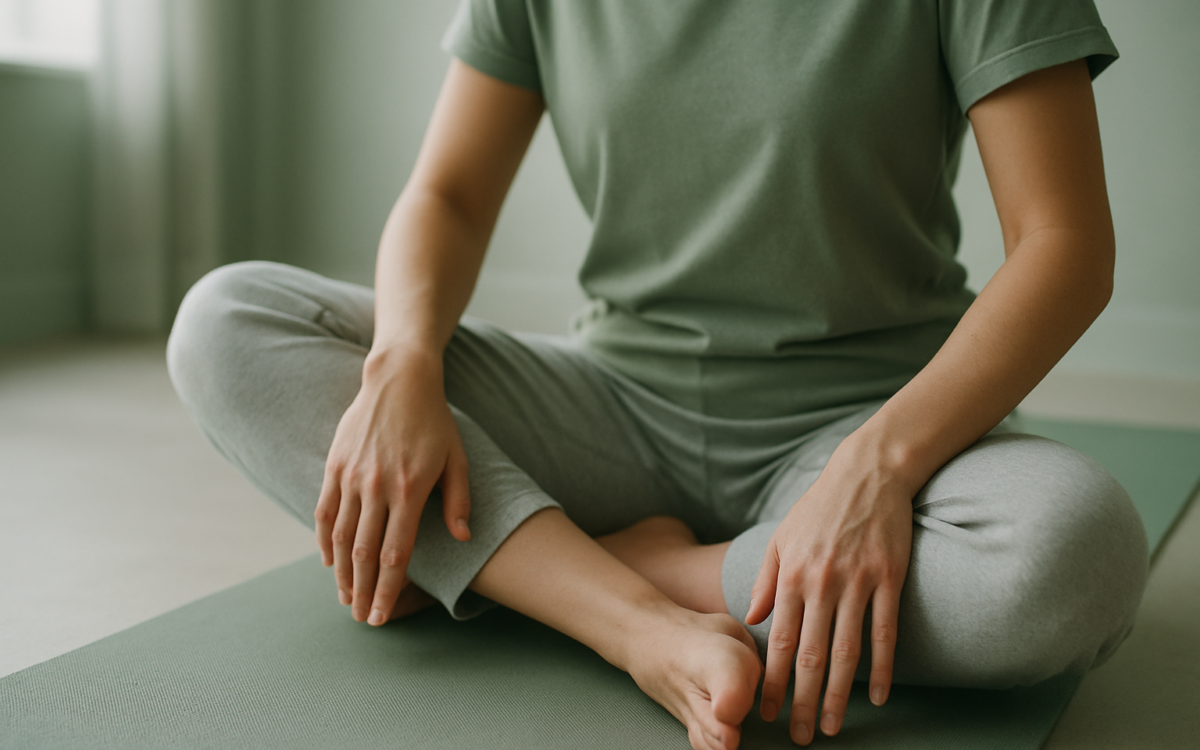
In today’s fast-paced world, stress can seem unavoidable. From juggling work demands to personal responsibilities, it’s easy to feel overwhelmed and disconnected. One powerful way to combat this feeling is through grounding techniques. Grounding involves bringing your attention back to the present moment, allowing you to feel more connected to yourself and your surroundings. In this article, we will explore various grounding methods that can help you feel centered and rejuvenated.
Understanding Grounding
Grounding is a psychological technique used to help individuals reclaim a sense of safety and awareness in their lives. When we experience stress or anxiety, our minds often wander to negative thoughts or feelings. Grounding strategies work to redirect our focus back to the here and now, creating a sense of stability. While grounding can be particularly beneficial during moments of anxiety or panic, it can also serve as a daily practice to enhance overall wellbeing.
1. Breathing Techniques
One of the simplest grounding methods involves your breath. By focusing on your breathing, you can calm your mind and alleviate stress. Here are some effective breathing exercises:
- 4-7-8 Breathing: Inhale deeply through your nose for 4 counts, hold your breath for 7 counts, then exhale slowly through your mouth for 8 counts. Repeat this cycle four times.
- Box Breathing: Inhale for 4 counts, hold for 4 counts, exhale for 4 counts, and hold again for 4 counts. This can help create a sense of rhythm and calm.
Focusing on your breath not only shifts your attention but also slows your heart rate, promoting a state of relaxation. You can find guidance on relaxation techniques in resources provided by institutions like the National Institutes of Health.
2. Mindful Observation
Another useful grounding technique is mindful observation. This practice encourages you to explore your surroundings using all five senses. To engage in mindful observation, follow these steps:
- Look: Identify five things you can see. Notice colors, shapes, and details.
- Sound: Listen for four different sounds. They could be people talking, the rustle of leaves, or distant traffic.
- Touch: Find three things you can touch. This could be your chair, the floor, or your clothing.
- Smell: Identify two scents in your environment, whether pleasant or unpleasant.
- Taste: If possible, notice one taste. This could be the flavor of gum or the aftertaste of a meal.
This technique can help ground you in your current environment, shifting your focus away from racing thoughts. Resources from the World Health Organization also provide tips on mindfulness and observation.
3. Physical Grounding
Physical grounding techniques involve connecting with the present through movement or physical sensations. Here are some approaches:
- Walk Barefoot: If safe and comfortable, take a moment to walk on grass, sand, or soil. Feel the textures beneath your feet and focus on the sensation.
- Progressive Muscle Relaxation: Sit comfortably and tense each muscle group for a few seconds, then relax. This can help release tension and ground you in your body.
Physical grounding can remind you that you are part of the world around you, helping reduce feelings of anxiety or disconnection.
4. Creative Outlets
Engaging in a creative activity can also serve as an effective grounding technique. Whether it’s drawing, writing, or crafting, these activities provide an avenue to express emotions and stay present. Here are some ideas:
- Journaling: Write about your thoughts, feelings, or experiences. This reflection can help clarify your mind and foster a sense of stability.
- Artistic Expression: Use colors, brushes, or clay to create something unique. Focusing on the creative process can help you stay grounded.
Creativity offers a wonderful way to explore feelings and can be therapeutic, as noted by the Mayo Clinic.
5. Nature Connection
Spending time in nature can significantly enhance your grounding practices. The calming effects of nature can help reduce anxiety and improve mood. Here are a few tips for connecting with nature:
- Take a Nature Walk: Spend time walking in a park or by a body of water. Observe the sights and sounds around you.
- Gardening: If you have access to a garden, spend time caring for plants. Engaging with the earth can help ground you.
Research indicates that spending time in green spaces can boost mental health and enhance wellbeing, making it a valuable addition to your grounding practices.
When to See a Doctor
If you find that feelings of anxiety or disconnection are interfering with your daily life or relationships, it may be beneficial to consult a healthcare professional. They can provide guidance and support tailored to your specific needs.
Grounding techniques offer simple yet effective ways to enhance your mental wellbeing. By integrating these practices into your daily routine, you can cultivate a greater sense of balance and peace. Remember, grounding yourself is a skill that takes time to develop, so be patient with yourself as you explore these methods.
