
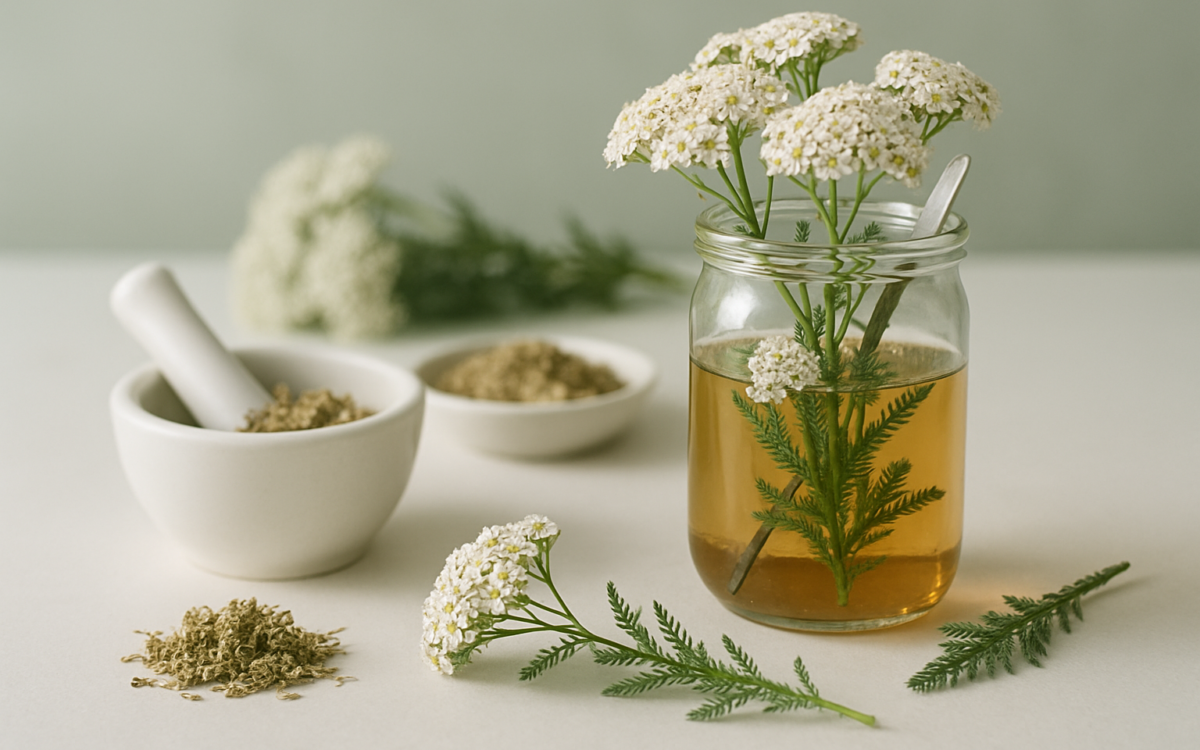
Yarrow, a flowering plant often found in meadows and fields, has a long history of use in herbal medicine. Known scientifically as Achillea millefolium, this vibrant plant has captivated herbalists and health enthusiasts alike for centuries. While it may be better known for its ornamental beauty, yarrow is increasingly recognized for its myriad health benefits, particularly its anti-inflammatory and digestive-supporting properties.
Understanding yarrow
Yarrow is part of the Asteraceae family and is commonly found in Europe, Asia, and North America. Traditionally, it has been used not only to treat wounds due to its antiseptic properties but also to relieve digestive issues and promote respiratory health. Its leaves and flowers can be used fresh or dried to make teas, tinctures, and powders.
Anti-inflammatory properties
One of the most promising benefits of yarrow lies in its ability to reduce inflammation. Research has shown that yarrow contains several active compounds, including flavonoids and terpenoids, which may help to lower inflammation in the body. Chronic inflammation is linked to various diseases, including heart disease, arthritis, and certain cancers. By incorporating yarrow into your health regime, you may support your body in resisting these chronic conditions.
Digestive health support
Yarrow is known to aid in digestion, which is why it’s often used as a remedy for conditions like bloating, gas, and even diarrhea. This herb may help to increase bile production, improving fat digestion and nutrient absorption. Drinking yarrow tea after meals may promote better digestive health and comfort.
Yarrow and respiratory health
Another area of interest is yarrow’s potential benefits for respiratory health. Some studies suggest that yarrow may help soothe respiratory issues like colds and allergies due to its anti-inflammatory effects. By relaxing the smooth muscles in the respiratory tract, it may provide relief from symptoms of conditions such as bronchitis or asthma.
Applications in modern medicine
Yarrow’s traditional uses have evolved, and today, it is explored in scientific studies for its potential therapeutic benefits. Research published in journals has highlighted its roles as an antimicrobial and analgesic agent, giving it a place in integrative medicine alongside more conventional treatments. For those considering yarrow for treatment, resources for international patient services can offer detailed information about herbal treatments available in various health practices worldwide.
Potential side effects and considerations
While yarrow is generally considered safe when used appropriately, it is important to be aware of potential side effects. Some people may experience allergic reactions, especially if they are sensitive to other plants in the Asteraceae family, such as ragweed or daisies. Additionally, yarrow may interact with certain medications, such as those that affect blood clotting or cholesterol levels. Always consult with your healthcare provider before starting any new herbal remedy.
When to see a doctor
If you encounter persistent digestive discomfort, respiratory symptoms, or any other health issues, it’s essential to seek medical advice. While yarrow can support health in various capacities, it should not replace conventional medical treatment for serious conditions. A healthcare professional can help tailor the best approach for your individual needs.
In conclusion, yarrow presents a fascinating blend of historical uses and modern scientific validation. From anti-inflammatory benefits to digestive support, this herb is worth considering in your wellness journey. Remember, as with any natural remedy, it’s vital to approach its use with awareness and professional guidance.
