
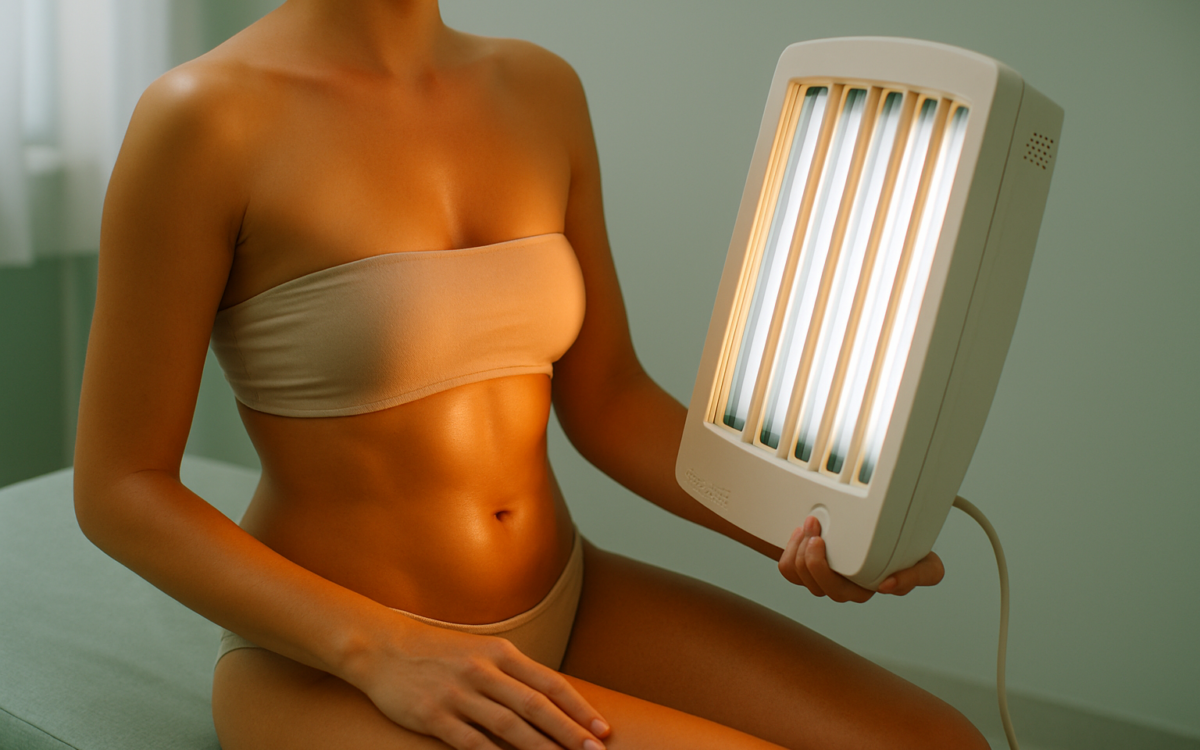
As summer calls us outdoors, many of us seek that sun-kissed glow. However, effective tanning isn’t just about spending hours in the sun. Understanding how to tan safely and efficiently can help you achieve the desired results while minimizing risks to your skin. In this guide, we’ll explore various strategies to help you tan faster while keeping skin health in mind.
Understanding UV Rays
Before diving into tanning techniques, it’s crucial to understand ultraviolet (UV) rays. UV rays are responsible for skin tanning and burning. There are two main types of UV rays that affect your skin:
- UVA rays: These penetrate deep into the skin and are primarily responsible for premature aging and skin cancer.
- UVB rays: These rays primarily affect the surface of the skin, causing sunburn. They also play a key role in the production of vitamin D.
While a little sun exposure can be beneficial, overexposure can lead to serious health issues, including skin cancer. It’s important to strike a balance between tanning and protecting your skin. For more on UV exposure, you can visit the CDC website.
Choosing the Right Time
The timing of sun exposure significantly affects tanning results. The sun’s rays are most intense between 10 a.m. and 4 p.m. While this is when you might achieve a tan more quickly, it’s also when the risk of skin damage is highest. To achieve a desirable tan with less risk:
- Opt for early morning or late afternoon sun exposure. This way, you still get the benefits of sunlight without the excessive risk of UV damage.
- Use a timer to manage your sunbathing sessions. Start with 15-30 minutes and gradually increase your exposure based on your skin type.
How to Prepare Your Skin
Proper skin preparation is key to achieving a faster and deeper tan, while also promoting overall skin health. Here are essential steps to prepare:
- Exfoliate: Before tanning, exfoliating your skin helps remove dead skin cells, which can lead to an uneven tan. Use a gentle scrub or exfoliation tool two to three days before sun exposure.
- Moisturize: Hydrating your skin keeps it supple, allowing for a more even tan. Use a good quality moisturizer daily, especially in the days leading up to sun exposure.
- Patch Test Products: If you plan to use tanning oils or lotions, make sure to patch test for allergies or sensitivity.
Utilizing Tanning Products
Many people turn to tanning products to help speed up and enhance their tan. Some popular options include:
- Tanning Oils: These products often contain bronzers or oils that help accelerate tanning in the sun. Look for those with SPF to protect your skin.
- Self-Tanners: For those who want to avoid UV exposure entirely, self-tanners provide a tan without sun exposure. Follow the instructions for an even application, and always do a patch test.
- After-Sun Products: After experiencing sun exposure, apply after-sun lotion to hydrate and soothe the skin, helping to prolong your tan.
Sun Safety Tips for Tanning
While getting that tan, it’s vital to prioritize skin safety:
- Apply Sunscreen: Always use broad-spectrum sunscreen with an SPF of at least 30, even on cloudy days. Reapply every two hours, or more frequently if swimming or sweating.
- Stay Hydrated: Drink plenty of water! Staying hydrated helps your skin recover and maintain its health.
- Know Your Skin Type: Fair-skinned individuals may need to be more cautious and limit sun exposure to prevent burns.
Consult the Mayo Clinic for more about choosing the right sunscreen and skin care during sun exposure.
When to See a Doctor
If you notice unusual changes in your skin or develop symptoms such as persistent redness, swelling, or blisters after tanning, it’s essential to consult a healthcare professional. Additionally, if you have a history of skin cancer or precancerous lesions, speak with a dermatologist about safe tanning practices tailored to your needs.
Skin health is paramount. Knowing when to seek professional advice can help you avoid long-term damage and stay safe while enjoying the sun.
Conclusion
Achieving a tan that’s not only beautiful but also safe is within your reach. By understanding UV rays, preparing your skin, choosing appropriate times to tan, and employing the right products, you can maximize your tanning results while reducing risks. Remember, the best tan is a responsible tan. Embrace the sunshine wisely and cherish your skin health!
