
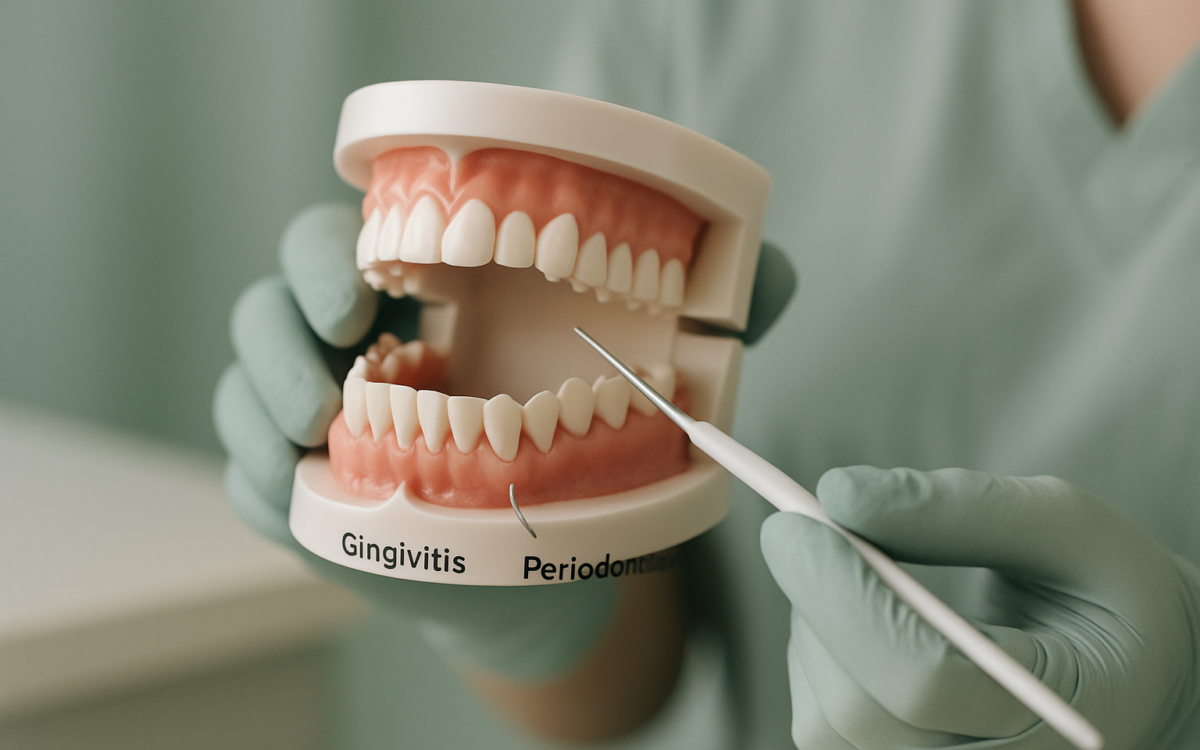
Keeping your gums healthy is essential for overall dental hygiene, yet many people don’t know the difference between gingivitis and periodontitis. These two conditions represent different stages of gum disease, and understanding them can lead to better oral health and prevention strategies. Let’s take a closer look at what distinguishes one from the other.
What is Gingivitis?
Gingivitis is the earliest form of gum disease and primarily results from the accumulation of plaque—a sticky film of bacteria that forms on your teeth. When plaque is not removed through proper brushing and flossing, it can irritate the gums, making them red, swollen, and prone to bleeding, especially when you brush your teeth.
Common Symptoms of Gingivitis
- Red, swollen gums
- Bleeding when brushing or flossing
- Bad breath
- Sensitive teeth
- Receding gums
The good news is that gingivitis is usually reversible. With good oral hygiene habits—like brushing twice a day, flossing daily, and regular dental check-ups—most people can improve their gum health.
What is Periodontitis?
If gingivitis is left untreated, it can progress to periodontitis, a more severe form of gum disease. Periodontitis not only affects the gums, but it can also cause damage to the underlying bone structure that supports your teeth. In periodontitis, the inflammation reaches deeper tissue, leading to the formation of pockets between the teeth and gums that can become infected. This stage of gum disease can even contribute to tooth loss if not addressed.
Common Symptoms of Periodontitis
- Persistent bad breath
- Swollen or bleeding gums, even without brushing
- Loose teeth or change in bite
- Pockets forming between teeth and gums
- Gum recession
Periodontitis requires more intensive treatment than gingivitis and may involve deep cleaning procedures, antibiotics, or even surgery in severe cases.
Causes of Gingivitis and Periodontitis
Both gingivitis and periodontitis share similar causes, primarily due to poor dental hygiene that encourages plaque build-up. However, several factors can increase your risk:
- Smoking and Tobacco Use: Tobacco products can hinder gum healing processes.
- Hormonal Changes: Changes during puberty, menstruation, and pregnancy can make gums more sensitive.
- Certain Medical Conditions: Diseases such as diabetes, HIV, and autoimmune disorders can increase susceptibility.
- Medications: Some drugs can reduce saliva flow, leading to gum issues.
- Poor Nutrition: A diet lacking in essential nutrients can weaken your body’s ability to fight off infections.
If you’re concerned about the state of your gums and your overall dental health, you may want to explore various treatment options available around the world. For those seeking international perspectives or treatments, you can visit acibademinternational.com to learn more.
Treatment Options for Gingivitis and Periodontitis
Fortunately, both gingivitis and periodontitis can be managed with appropriate treatment:
Treatment for Gingivitis:
- Professional Cleaning: A dental hygienist will remove plaque and tartar built-up on your teeth.
- Daily Brushing and Flossing: Maintain thorough oral hygiene at home.
- Rinsing with Antiseptic Mouthwash: This can help reduce bacteria in your mouth.
Treatment for Periodontitis:
- Deep Cleaning: This involves scaling and root planing to remove plaque and tartar below the gum line.
- Medications: Antimicrobial agents can help control infection and inflammation.
- Surgery: In advanced cases, procedures may be necessary to regenerate lost tissues or to reduce pocket sizes.
Both conditions can significantly benefit from regular dental visits. Dentists often recommend having check-ups every six months, though those with existing gum disease may need to come in more frequently.
Prevention is Key
Preventing both gingivitis and periodontitis is attainable through diligent oral care. Here are some tips to help keep your gums healthy:
- Brush your teeth twice daily with fluoride toothpaste.
- Floss daily to remove plaque between teeth where your toothbrush may not reach.
- Eat a balanced diet rich in vitamins and minerals.
- Avoid tobacco products, which negatively impact gum health.
- Regularly visit your dentist for professional cleanings and check-ups.
By practicing these preventive measures, you can reduce your risk of developing gingivitis and periodontitis.
When to See a Doctor
If you notice symptoms of gum disease—such as persistent bad breath, swollen gums, or bleeding while brushing—consult a healthcare professional promptly. Early intervention can prevent more serious complications and promote better gum health.
Conclusion
Understanding the differences between gingivitis and periodontitis is crucial for maintaining good oral health. With proper care and regular dental visits, you can prevent gum disease and enjoy a healthy smile for years to come. Remember, if you have concerns about your gums, it’s always best to consult with your dentist.
