
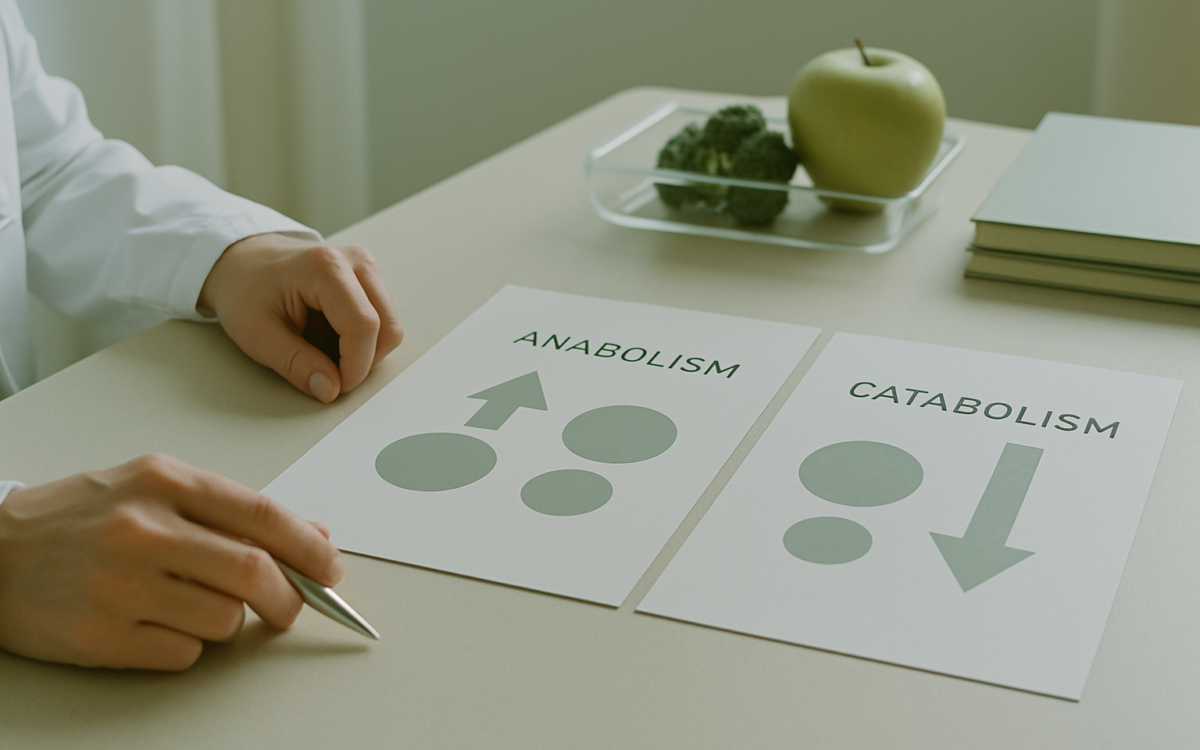
We often hear about metabolism, especially when discussing diet and fitness. But what does it really mean? Two key components of metabolism are anabolism and catabolism. These processes work together like two sides of a coin, driving your body’s energy use, growth, and overall health. Understanding the differences and interconnections between them can empower you to make healthier lifestyle choices.
What is Anabolism?
Anabolism is the process that builds molecules in the body. Think of it as a construction phase, where your body creates complex molecules from simpler ones. This function is vital for growth, repair, and maintaining tissues. When you eat food, your body converts the nutrients into energy and materials necessary for anabolism.
How Anabolism Works
During an anabolic process, small molecules known as precursors are assembled into larger, more complex structures. For example, amino acids can be combined to form proteins, which are essential for muscle growth and repair. Anabolism is also responsible for synthesizing hormones and DNA, key components of cellular functioning.
The Role of Nutrition
A well-balanced diet plays a significant role in supporting anabolic processes. Consuming an adequate amount of protein, fats, and carbohydrates is essential for providing the building blocks needed for tissue growth and repair. Foods rich in protein, such as meat, eggs, dairy, and legumes, aid in muscle synthesis. Additionally, healthy fats and carbohydrates are crucial for energy storage and overall cellular health.
What is Catabolism?
If anabolism is the construction phase, catabolism is the demolition phase. Catabolism breaks down complex molecules into simpler ones, releasing energy in the process. This energy can then be used for various bodily functions, such as physical activity and maintaining essential processes like breathing and circulation.
How Catabolism Works
During catabolic processes, your body breaks down carbohydrates, fats, and proteins to release stored energy. For example, when you engage in intense exercise, your body taps into glycogen stores (the stored form of carbohydrates) to fuel your movements. This process not only provides energy but can also result in the production of waste products that must be eliminated.
Energy Production and Balance
Catabolism is essential for energy production and balance. It ensures that your body has the energy needed for daily activities and metabolic functions. The balance between catabolic and anabolic processes is crucial; if catabolism outpaces anabolism, it can lead to muscle loss and metabolic disorders. Conversely, excessive anabolism without adequate catabolism can result in unhealthy weight gain.
The Relationship Between Anabolism and Catabolism
Anabolism and catabolism are interdependent; they continually communicate to maintain balance in the body. This relationship is often referred to as the metabolic state of a person. When you consume more calories than your body burns, the excess energy is stored through an anabolic process. On the other hand, during periods of fasting or intense exercise, catabolism increases to provide the necessary energy.
Metabolic Rates and Their Impact
Your basal metabolic rate (BMR), which is the number of calories your body requires at rest, can influence how your body manages anabolism and catabolism. Factors affecting BMR include age, sex, muscle mass, and overall health. Understanding your BMR can help you tailor your diet and exercise routine to achieve a healthy balance between these two metabolic processes.
Practical Tips for Balancing Anabolism and Catabolism
- Prioritize Protein: Incorporate lean proteins into your meals to support muscle growth and repair.
- Stay Active: Regular exercise stimulates both anabolic and catabolic processes, promoting muscle growth and energy expenditure.
- Hydrate: Proper hydration is essential for metabolic functions; aim to drink enough water throughout the day.
- Monitor Your Diet: Keep an eye on your calorie intake to maintain a healthy balance between energy consumption and expenditure.
- Seek Professional Guidance: Consult a nutritionist or dietitian for personalized advice on achieving balanced metabolism.
When to See a Doctor
If you notice sudden changes in weight, energy levels, or muscle mass, it may be time to consult a doctor or healthcare professional. These changes could indicate an imbalance between anabolism and catabolism or underlying health issues. Regular check-ups and discussions about your health can help you maintain a balanced metabolism.
In summary, understanding anabolism and catabolism is crucial to grasping how your body functions and maintains energy balance. By fostering a lifestyle that promotes both processes through proper nutrition and exercise, you can support your overall health and well-being.
