
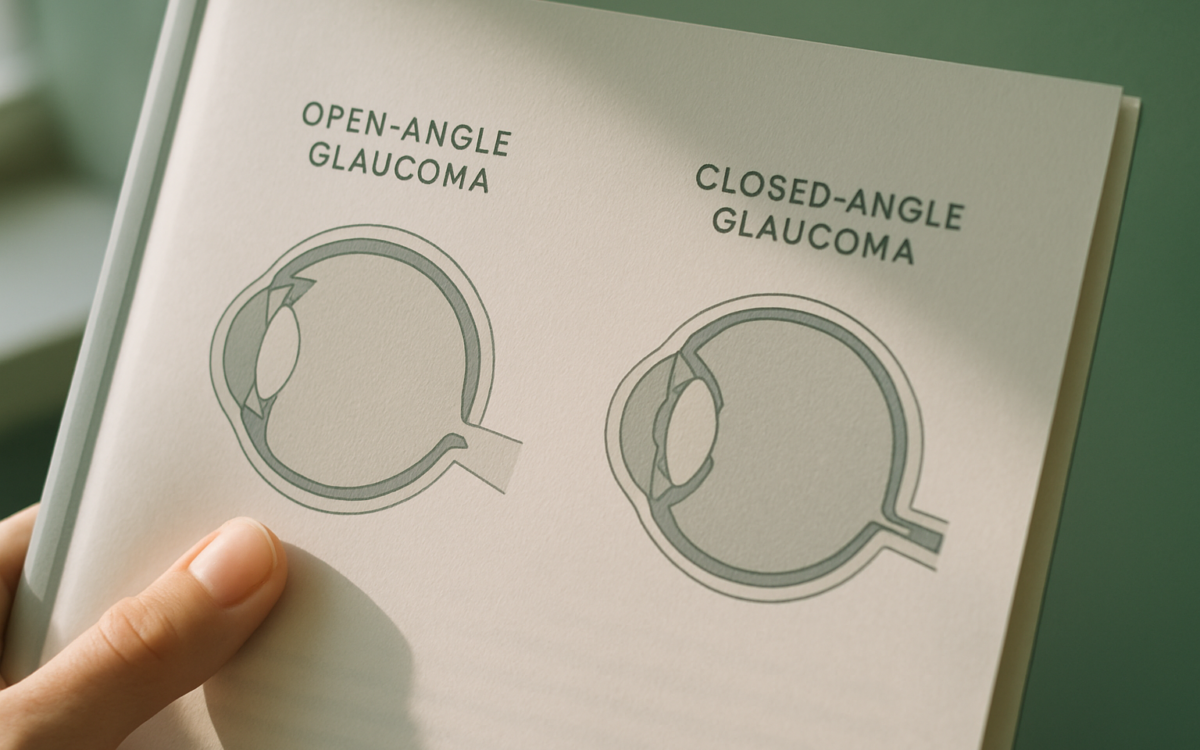
Glaucoma is often called the “sneak thief of sight” because it can silently damage the optic nerve, leading to vision loss. Among the various types of glaucoma, two primary forms stand out: open angle glaucoma and closed angle glaucoma. Understanding these conditions is essential for maintaining eye health and preventing irreversible damage.
What is Glaucoma?
Glaucoma refers to a group of eye conditions that damage the optic nerve, often associated with increased pressure in the eye. While the exact cause can vary, the pressure is usually the result of fluid build-up in the front part of the eye. If not detected and treated promptly, glaucoma can lead to vision loss.
Open Angle Glaucoma
Open angle glaucoma is the most common form of glaucoma, accounting for about 90% of all cases. It occurs when the drainage canals in the eye become less efficient over time, leading to a gradual increase in intraocular pressure (IOP).
Symptoms
This type of glaucoma often develops slowly and without noticeable symptoms in the early stages. Many people are unaware they have it until they notice a reduction in peripheral vision. Common signs of advanced stages may include:
- Difficulty seeing in dim light
- Loss of side vision
- Tunnel vision in advanced cases
Risk Factors
Several factors can increase the risk of developing open angle glaucoma, including:
- Age: Individuals over 60 are at higher risk.
- Family History: A family history of glaucoma can increase your risk.
- Ethnicity: African Americans and Hispanics are notably more prone to glaucoma.
- Medical Conditions: Conditions like diabetes, high blood pressure, and certain eye injuries can also be risk factors.
Treatment Options
Treatment for open angle glaucoma usually involves:
- Medications: Eye drops to reduce eye pressure.
- Laser Treatment: Procedures like laser trabeculoplasty can improve fluid drainage.
- Surgeries: In more severe cases, surgical interventions like trabeculectomy may be necessary.
Regular eye exams are crucial for early detection, especially if you are at higher risk.
Closed Angle Glaucoma
Closed angle glaucoma, also known as narrow-angle glaucoma, is less common but can be more serious. This condition occurs when the fluid drainage channels in the eye become blocked suddenly or over time, leading to a rapid increase in intraocular pressure.
Symptoms
Closed angle glaucoma can present with more acute symptoms, which may include:
- Severe eye pain
- Nausea or vomiting
- Sudden vision changes, such as seeing halos around lights
- Headaches
Because of the rapid onset of symptoms, closed angle glaucoma may require immediate medical attention.
Risk Factors
The risk factors for closed angle glaucoma include:
- Age: More common in older adults.
- Geographic Ancestry: People of Asian descent have a higher risk.
- Eye Anatomy: A shallow chamber in the eye can predispose someone to closed angle glaucoma.
Treatment Options
Immediate treatment is critical to prevent vision loss from closed angle glaucoma. Typical treatments include:
- Medications: Oral medications and eye drops to lower the pressure.
- Laser Therapy: Laser iridotomy creates a small hole in the peripheral iris, helping fluid to drain.
- Definitive Surgery: A more permanent solution may involve cataract surgery if present.
Because this type of glaucoma can be more aggressive, it’s essential to understand the symptoms and seek help when necessary.
Key Differences Between Open and Closed Angle Glaucoma
While both types of glaucoma can lead to vision impairment, there are distinct differences between them:
- Onset: Open angle glaucoma develops gradually, whereas closed angle glaucoma can present symptoms suddenly.
- Sensitivity to Light: Individuals with closed angle glaucoma may experience increased sensitivity and halos around lights.
- Treatment Urgency: Closed angle glaucoma often requires immediate intervention, while open angle glaucoma may allow for more routine management.
When to See a Doctor
If you experience any sudden changes in your vision, severe eye pain, or headaches, it is crucial to seek medical attention immediately. Regular eye exams are also important, especially if you have risk factors for glaucoma. The earlier glaucoma is diagnosed and treated, the better the chances of preserving your vision.
Conclusion
Understanding the differences between open and closed angle glaucoma can help you take proactive steps in managing your eye health. Awareness of symptoms and risk factors, along with regular eye check-ups, can make all the difference in preventing vision loss. Always consult your healthcare provider for personalized advice and treatment options.
