
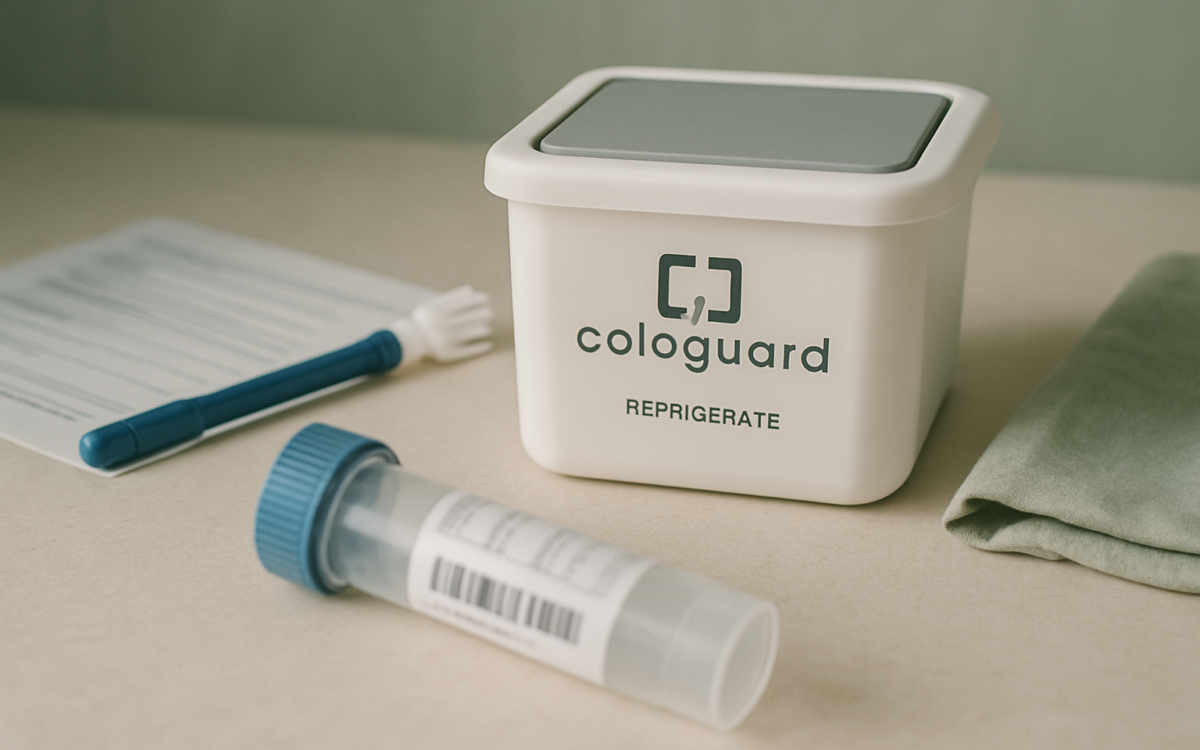
Colorectal cancer is one of the few cancers that can be prevented through regular screening. Early detection saves lives, which is why alternatives to traditional screening methods, like colonoscopy, are an important topic. One such alternative is Cologuard, a test that has made waves as a less invasive option for detecting colorectal cancer. But what exactly is Cologuard, and how does it work? Let’s dive in.
What Is Cologuard?
Cologuard is a non-invasive screening test designed to detect colorectal cancer and advanced adenomas (precancerous growths) in adults. This test is unique because it analyzes DNA and other changes in the stool, providing a different approach compared to traditional methods that often require bowel preparation or sedation.
How Cologuard Works
The Cologuard test works by collecting a stool sample at home. Here’s a straightforward breakdown of the process:
- Sample Collection: A person receives a Cologuard kit, which includes everything needed to collect a stool sample. This is done in the comfort of one’s own home, which can be a less stressful experience.
- Shipping to Lab: After collecting the sample, it is sent to a lab for analysis. This step is crucial because it is where the DNA and hemoglobin (a blood protein) are analyzed for signs of cancer or advanced adenomas.
- Result Report: Typically, results are available within a few weeks and communicated through a healthcare provider. The report will indicate whether further evaluation, such as a colonoscopy, is needed.
Who Should Consider Cologuard?
Cologuard is generally recommended for adults aged 45 and older who are at average risk for colorectal cancer. Factors that might make someone at average risk include having no personal or family history of colorectal cancer or significant polyps. Those with a strong family history or certain medical conditions may require different screening methods.
It’s important to note that Cologuard does not replace colonoscopy entirely. If the test returns positive—indicating abnormalities—a follow-up colonoscopy is essential to confirm findings and take necessary action.
Benefits of Choosing Cologuard
This test offers several benefits:
- Non-invasive: One of the major advantages is that it doesn’t require bowel preparation or sedation, making it easier for many individuals.
- Convenient: Patients can collect their samples at home, avoiding the need to schedule an office visit for a test.
- Early Detection Potential: By identifying cancer and precancerous growths early, Cologuard helps you take proactive steps towards treatment and management of colorectal health.
Limitations to Be Aware Of
While Cologuard presents a compelling option for some, it’s essential to understand its limitations:
- False Positives: There’s a possibility that the test may indicate abnormalities when there are none, leading to unnecessary procedures.
- Not Suitable for Everyone: For individuals at high risk or with certain medical histories, traditional methods like colonoscopy may still be the most reliable choice.
- Missed Cases: In some instances, precancerous growths might not be detected, which underscores the importance of regular follow-up.
How to Interpret Your Cologuard Results
Once you receive your Cologuard results, your healthcare provider will explain what the findings mean. There are three potential results:
- Negative Result: No signs of cancer or advanced adenomas detected. Routine screening may continue as directed by your doctor.
- Positive Result: Abnormalities were found, and a follow-up colonoscopy is strongly recommended.
- Inconclusive Result: Sometimes results may be unclear. In this case, a follow-up colonoscopy is likely needed for further evaluation.
It’s crucial to discuss your results and next steps with your healthcare provider to understand what they mean for your health.
When to See a Doctor
If you have any symptoms like changes in bowel habits, blood in your stool, or unexplained weight loss, it’s important to consult a doctor right away. Additionally, even if Cologuard provides negative results, you should schedule regular screenings as advised by your healthcare provider, especially after turning 45, or sooner if you have a family history of colorectal issues.
Colorectal cancer is highly preventable with regular screening, so taking the initiative to understand your options, like Cologuard, is vital for long-term health.
Conclusion
Cologuard represents a significant advancement in non-invasive screening for colorectal cancer, making it easier for many people to engage in early detection. Understanding how it works, who should use it, and its limitations can empower individuals to make informed health decisions. Always consult with your healthcare provider to find the best colorectal cancer screening method suited to your needs. For more information about cancer prevention and screening, you can visit reputable resources like the CDC and the Cleveland Clinic.
