
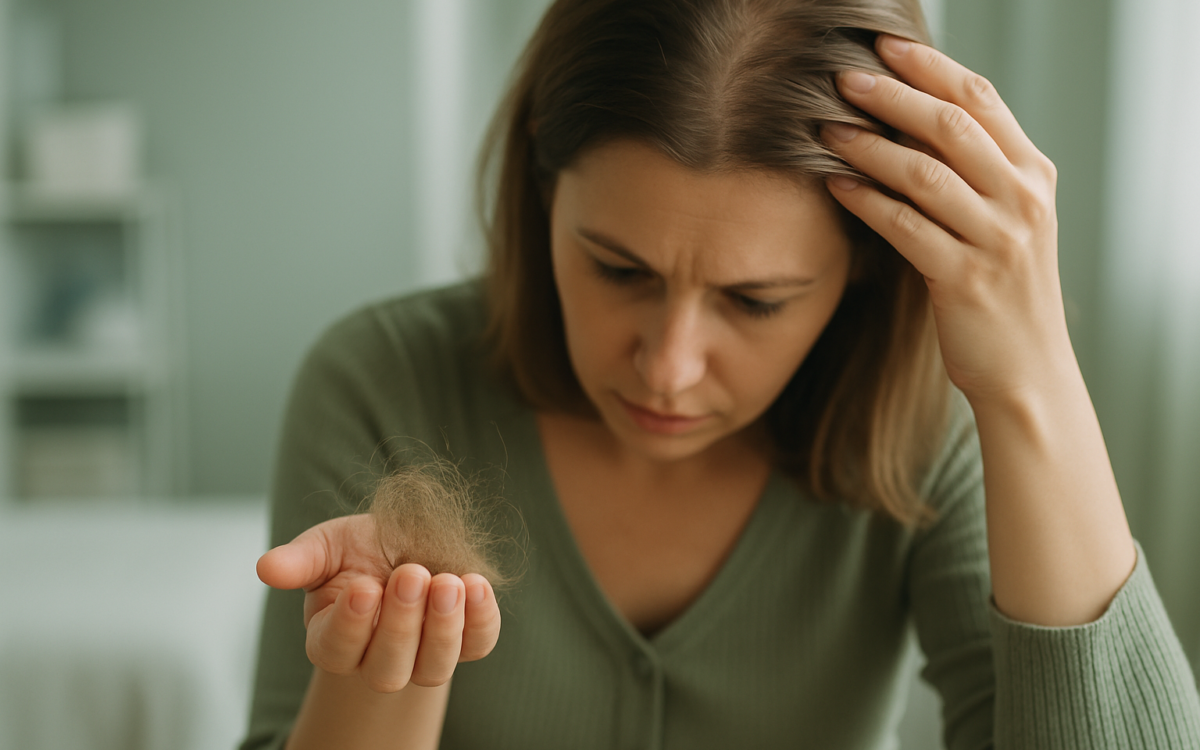
Hair loss is a common issue that affects many women. Although often associated with aging, it can occur at any stage of life and may significantly impact self-esteem. Understanding the causes, types, and potential solutions for hair loss can empower women to seek help and find effective treatments.
Common Causes of Hair Loss in Women
There are numerous reasons behind hair loss in women, ranging from genetics to health conditions. Knowing the underlying causes can help in choosing the right approach to treatment.
Genetics
One of the most prevalent causes of hair loss in women is hereditary hair loss, often referred to as female pattern baldness. This condition typically runs in families and can manifest as thinning hair, particularly at the crown and along the part line.
Hormonal Changes
Women experience various hormonal changes throughout their lives, particularly during pregnancy, menopause, or from conditions like polycystic ovary syndrome (PCOS). These hormonal shifts can lead to temporary or permanent hair loss.
Medical Conditions
Several medical conditions can contribute to hair loss. Conditions such as thyroid disorders, autoimmune diseases (like alopecia areata), and scalp infections can lead to noticeable hair thinning or patches. Stress can also exacerbate these issues, triggering conditions like telogen effluvium, where hair falls out suddenly due to emotional or physical stress.
Types of Hair Loss
Hair loss in women can present itself in various forms. Identifying the type of hair loss is crucial for determining effective treatment options.
Androgenetic Alopecia
This is the most common form of hair loss in women. Often a genetic condition, it typically presents as gradual thinning on the top of the head. According to the National Institutes of Health, it affects millions of women every year.
Alopecia Areata
Alopecia areata is characterized by sudden hair loss in patches. This autoimmune disorder can affect anyone regardless of age and can sometimes result in total hair loss (alopecia totalis).
Telogen Effluvium
This condition occurs when a significant number of hair follicles enter the resting phase, leading to noticeable shedding. Triggered by stress, hormonal changes, or medical conditions, telogen effluvium often resolves on its own once the underlying cause is addressed.
Treatment Options for Women
Treating hair loss can depend on its cause, but several options are available for women looking to improve their hair health.
Medications
Topical minoxidil (often known by the brand name Rogaine) is FDA-approved for treating hair loss in women. It helps promote hair growth and can slow the process of thinning. Some women may also benefit from oral medications, like spironolactone, especially if hair loss is due to hormonal factors.
Hair Restoration Therapies
For women with more severe hair loss, options like hair transplants and laser therapy may be considered. Hair restoration therapies can be expensive and should be carefully discussed with a healthcare provider to ensure they fit individual needs.
Lifestyle Changes and Support
A balanced diet rich in vitamins and minerals promotes healthy hair growth. Nutrients such as iron, zinc, vitamin D, and proteins are essential for maintaining hair health. Moreover, reducing stress through relaxation techniques, regular exercise, and proper sleep can also have a positive impact.
When to See a Doctor
If hair loss is sudden, patchy, or accompanied by other symptoms (like itching or scaling), it is essential to consult a healthcare provider. They can help determine the cause and recommend appropriate treatments. Early intervention can lead to better outcomes and may help prevent further loss.
Conclusion
While hair loss in women can be distressing, understanding its causes and treatment options can empower women to take control of their hair health. Whether through medication, therapy, or lifestyle changes, there are pathways to manage and potentially reverse hair loss. If you’re experiencing this issue, consider speaking with a healthcare professional to explore your options.
